The World According To Tinotenda: Comedy, Culture And Bigger Dreams

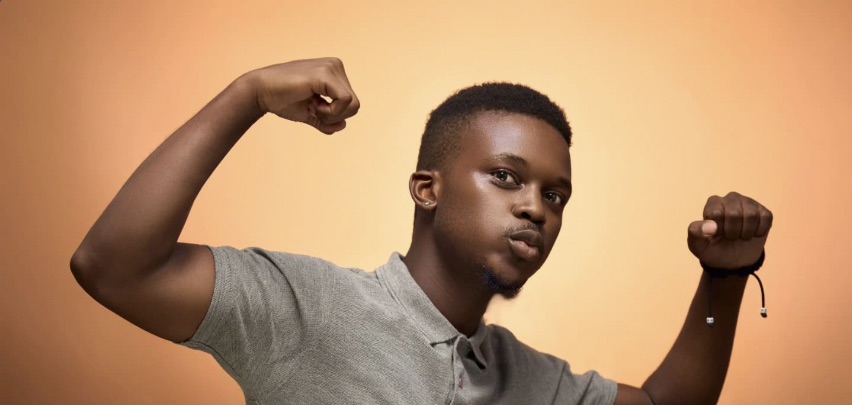
The Bulawayo-born comedian and MC talks kasi roots, New School Comedy ZW, and why he wants to be a global African entertainer.
Born in Bulawayo and now based in Harare, Tinotenda Lebohang Kurwaisimba (TK) is part of the new wave of Zimbabwean entertainers blending comedy, hosting and storytelling. In this exclusive interview with My Afrika Magazine, he opens up about his journey. He also details on how he managed to read the atmosphere before he performs in-front of the audiences.
TR: You were born in Bulawayo and later moved to Harare. How did growing up in Bulawayo shape the person, comedian and entertainer you have become today?
TK: Bulawayo gave me my foundation. There is something about growing up in Bulawayo that teaches you to observe people, situations and the little things around you. I think that naturally fed into my comedy because a lot of my humour comes from observation and everyday experiences. It also shaped my identity. Moving between different spaces and cultures taught me how to connect with different kinds of people. Even in my comedy, I enjoy playing with the differences between Ndebele and Shona culture, not to divide people, but to show how funny and beautiful those differences can be. Bulawayo gave me the character. Harare gave me the platform to develop it.
TR: Moving from Bulawayo to Harare meant stepping into a completely different entertainment ecosystem. What was the biggest adjustment you had to make, and how did you find your place in the industry?
TK: The biggest adjustment was realising that talent alone isn’t enough. In Harare, you quickly learn that you have to network, market yourself, create opportunities and constantly prove that you belong in the room. I had to become more intentional about who I was as an entertainer. I wasn’t just trying to be “a funny guy”; I had to understand my brand, what I brought to events and why people should book me. Finding my place took time. There were moments where I felt like an outsider, but I kept showing up. I think consistency eventually introduces you to people who start believing in what you’re building.
TR: Comedy and hosting require very different skills from simply being on stage. What does Tinotenda bring to a room when he walks onto a stage as an MC?
TK: Energy, personality and presence. I think an MC has to make people feel like the event is in safe hands. When I walk onto a stage, I want the audience to immediately feel that we’re going to have a good time, but also that I know exactly what I’m doing. Comedy definitely helps me connect with people quickly, but hosting has taught me that the stage isn’t about me. It’s about making the event, the client, the performers and the audience look and feel good. So I bring humour, but I also bring control, adaptability and the ability to keep the room moving.
TR: You are part of New School Comedy ZW, hosting its shows every last month of the month. What does being part of this comedy movement mean to you, and what do you think the new generation of Zimbabwean comedians is doing differently?
TK: New School Comedy ZW means a lot to me because it represents community. Comedy can be a very lonely journey, especially when you’re still trying to establish yourself, so having a space where comedians can experiment, grow and support each other is important. I think the new generation is also less afraid to be themselves.
We’re seeing comedians with different styles, different backgrounds and different approaches to storytelling. We’re also more willing to look beyond Zimbabwe. The goal isn’t just to have a successful show in Harare. We want to take Zimbabwean comedy to Johannesburg, Botswana, Zambia, the UK, America and everywhere else Zimbabweans and Africans are watching.
TR: You have had the opportunity to MC events associated with prominent Zimbabwean personalities such as Pokello Nare and Pretty Sindy. What have those experiences taught you about working with high-profile personalities and commanding an audience?
TK: They’ve taught me preparation and professionalism. When you’re working around people who already have a strong public presence, you have to understand that the event is bigger than your own performance. You have to know the programme, understand the audience and be able to adapt when things don’t go exactly according to plan. I’ve also learnt that commanding a room isn’t about being the loudest person in it. It’s about confidence, timing and knowing when to speak, when to let a moment breathe and when to step back.
TR: A great MC has to read the room almost instinctively. How do you adapt your energy, humour and delivery when you are hosting a corporate event, a celebrity event or a comedy show?
TK: I think every room has its own language. At a corporate event, I might be more polished and measured. At a celebrity event, there can be more room for personality and interaction. At a comedy show, I’m obviously able to push the humour much further. But the core remains the same: I watch the audience. If they’re responding, I build on it. If something isn’t landing, I don’t force it. Sometimes the best skill an MC can have is knowing when to move on.
TR: Your personal style is also part of your identity. How intentional are you about the way you dress, and what does fashion communicate about Tinotenda before you even say a word?
TK: Very intentional. I believe presentation is part of entertainment. Before I say anything, people have already formed an impression of me based on how I walk into a room and how I present myself. I like fashion because it gives me another way to express personality. Sometimes it’s clean and sophisticated, sometimes it’s more experimental, but I always want it to feel like me. For me, style communicates confidence, creativity and attention to detail.
TR: Zimbabwe has an increasingly visible creative industry, but many entertainers still struggle to turn talent into sustainable careers. What needs to change for comedians and MCs to compete confidently on the international stage?
TK: We need to start treating entertainment as an industry, not just a hobby. Talent is not our biggest problem. We have incredible talent in Zimbabwe. The challenges are infrastructure, funding, management, marketing, distribution and access to international markets. Entertainers also need to become better business people. You can be incredibly talented, but if you don’t understand your brand, contracts, pricing, marketing and how to create multiple revenue streams, sustainability becomes difficult. And we need to support each other more. If one Zimbabwean entertainer succeeds internationally, it should open a door for the next one.
TR: As someone working across comedy, entertainment and event hosting, how do you balance being funny without allowing comedy to overshadow your professionalism as a host?
TK: By understanding that being funny is a tool, not the entire job. I don’t walk into every event thinking, “I need to make everyone laugh.” Sometimes my job is to create excitement. Sometimes it’s to calm the room. Sometimes it’s simply to make sure the programme runs smoothly. Comedy is part of my personality, but professionalism is what makes people trust me with their event.
TR: What has been the biggest challenge you have faced in your journey so far, and what did that experience teach you about resilience, rejection and building a name for yourself?
TK: Probably the process of constantly having to prove yourself. There have been opportunities I didn’t get, rooms I wasn’t invited into and moments where I questioned whether I was actually progressing. Entertainment can make you feel like you’re doing a lot while sometimes seeing very little immediately in return. I’ve learnt that rejection isn’t always a reflection of your ability. Sometimes it’s timing. Sometimes it’s preference. Sometimes the opportunity simply isn’t yours. The important thing is to keep building. A name isn’t built from one big opportunity. It’s built from showing up repeatedly until people can no longer ignore the work.
TR: When you look beyond Zimbabwe, what does the international stage mean to you? Are you aiming to become a recognised African entertainer, or do you see yourself building a truly global brand?
TK: I definitely see beyond Africa. Africa is extremely important to me because it’s home, and I want to become a recognisable African entertainer. But ultimately, I want Tinotenda Lebohang to be a global brand. I want someone in Zimbabwe, South Africa, Nigeria, Botswana, the UK or America to know the name and understand what I represent. I don’t want the international stage to be something I visit occasionally. I want to build a career that belongs on it.
TR: If we were to meet Tinotenda Lebohang Kurwaisimba five years from now, what would you want him to have achieved that would make the journey from Bulawayo to Harare—and ultimately onto the international stage—worth it?
TK: I’d want him to have built something that is bigger than individual performances. I want to have toured internationally, performed at major comedy festivals, hosted major events and built a brand that creates opportunities for other creatives as well. But beyond the accolades, I’d want to look back and know that I didn’t abandon the person who started this journey in Bulawayo. If five years from now I can say, “I took that boy’s dream seriously,” then the journey will have been worth it.
TR: Lastly, who is Tinotenda?
TK: Tinotenda is a storyteller. I’m a comedian, an MC, an entertainer, but underneath all of those titles, I’m someone who loves people and loves finding stories in everyday life. I’m someone who came from Bulawayo, moved to Harare, and decided that where I came from shouldn’t determine how far I could go. I’m still learning. I’m still figuring things out. I still have a long way to go. However if I had to describe Tinotenda in one sentence, I’d say: I’m a Zimbabwean storyteller trying to make people laugh, feel something and remember my name.