Small Shipment, Fresh Possibilities: Zimbabwean Avocados Reach Azerbaijan

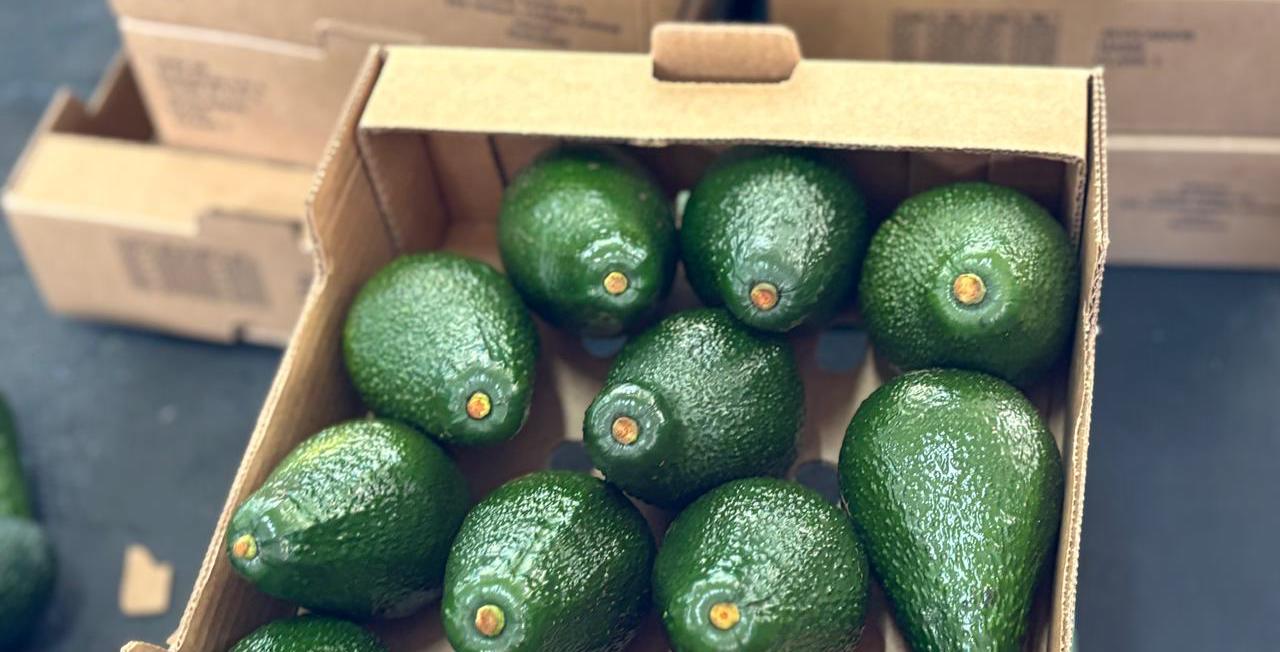
An avocado consignment worth US$4,320 has put Zimbabwe on Azerbaijan’s supplier list, offering a modest opening for exporters seeking new customers.
Nine hundred kilograms of avocados will hardly transform Zimbabwe’s agricultural exports. A recent trade report offers something worth paying attention to: a buyer in Azerbaijan has sourced the fruit from Zimbabwe.
Azerbaijan imported 900kg of Zimbabwean avocados valued at US$4,320 during January–August 2026, according to Report news agency, which based its figures on the country’s State Statistical Committee data. The agency described the purchases as the first recorded from Zimbabwe in the publicly available statistics dating back to 2011. The immediate value is modest. The more interesting question is whether this small beginning can lead to repeat business.
Avocados are already familiar food in many Zimbabwean households, eaten fresh, in salads or spread on bread. ZimTrade has highlighted that everyday familiarity while encouraging businesses to explore opportunities beyond fresh fruit, including avocado oil and frozen products. Finding customers abroad adds another possibility for a crop that many people know first from their own kitchens.
The Azerbaijani market, however, comes with established competition.
The country imported 617 tonnes of avocados worth US$1.9 million in the first eight months of 2026. Peru supplied 412 tonnes, comfortably ahead of Israel’s 82 tonnes, South Africa’s 40 tonnes and Kenya’s 25 tonnes. Zimbabwe’s contribution was therefore a very small part of the total. Overall import volumes fell 1.1% compared with the same period in 2025, while their value declined 5.5%.
Those figures call for measured expectations. Zimbabwe has appeared in a market where other producers already have a foothold, and where total purchases were slightly lower over the reporting period. Winning further orders would require a convincing offer on quality, reliability and cost.
There is also much the published figures cannot tell us. The report does not identify the Zimbabwean exporter, the Azerbaijani buyer, the farms that supplied the fruit or the route it travelled. It does not establish whether the purchases formed part of a trial arrangement or a longer-term supply relationship.
Those details matter. They would help explain how the opportunity arose and whether other Zimbabwean growers could realistically follow.
The development comes as Zimbabwe examines how to strengthen agricultural value chains, including avocados. In August 2026, the government and the Food and Agriculture Organization brought together farmers’ organisations, businesses, financial institutions and other stakeholders to review proposed investments and trade interventions. Across the value chains examined, the challenges included financing gaps, inadequate storage and processing facilities, weak market connections and post-harvest losses.
For a grower, an overseas customer is only useful if supplying that customer makes financial sense. Fruit must reach the buyer in good condition, and the payment must justify the expense of producing, packing and transporting it.
A practical next step would be to establish how the Zimbabwean avocados performed on arrival. Was the buyer satisfied? Were delivery costs manageable? Is there interest in another order? The answers would reveal far more about the opportunity than the shipment’s novelty alone.
There is a question of participation, too. If demand develops, smaller growers would need workable routes into the supply chain. Shared packing facilities, access to technical advice and clear agreements with exporters could help turn a distant market opportunity into something farmers can use.
For now, Azerbaijan represents a small opening. Its significance will depend on what happens after the first recorded purchases: whether buyers return, whether exporters can deliver consistently and whether growers earn worthwhile returns.
The 900kg has earned Zimbabwe a place in the trade figures. The next achievement would be earning the next order.