Breaking the Silence: African Women’s Fight Against Gender-Based Violence

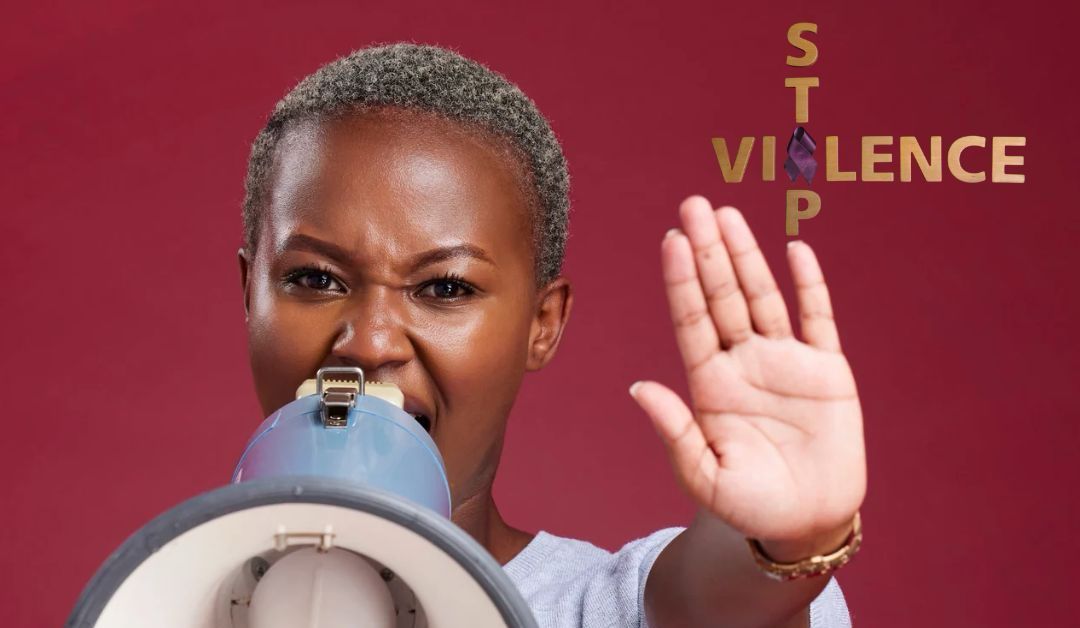
Across the African continent, countless women and girls continue to face the risk of gender-based violence (GBV), with many experiencing abuse from people they know, including intimate partners and family members.
From physical and emotional abuse to sexual assault, child marriage and other harmful practices, violence against women remains a serious challenge affecting individuals, families and entire communities.
As the world observes the 16 Days of Activism Against Gender-Based Violence, running from November 25 to December 10, attention is once again being drawn to the struggles faced by African women and the urgent need to safeguard their rights, dignity and well-being.
The annual campaign highlights an important message: violence against women is not simply a domestic or family issue but a violation of basic human rights that demands collective action.
Despite growing awareness, many survivors continue to suffer in silence. Fear of retaliation, financial dependence, social expectations and difficulties accessing justice often prevent women from reporting abuse or leaving dangerous situations.
Gender-based violence manifests itself in different ways across African societies. While some women endure physical and psychological abuse in their homes, others experience sexual exploitation, harassment, human trafficking and violence associated with armed conflict and forced displacement.
The World Health Organization (WHO) factsheet released in June 2026 estimates that approximately one in three women worldwide experiences physical or sexual violence during her lifetime, with intimate partners responsible for much of this abuse.
In South Africa, GBV and femicide remain pressing national challenges. Repeated incidents involving women murdered by current or former partners have sparked public outrage, demonstrations and renewed demands for stronger measures to protect women and hold perpetrators accountable.
In the Democratic Republic of Congo (DRC), the situation is particularly concerning in conflict-affected communities, where women and girls continue to experience sexual violence, including rape used as a weapon of war. Armed conflict, insecurity and displacement leave many survivors exposed to further abuse while making it harder to obtain medical assistance, protection and justice.
Zimbabwe is also grappling with domestic violence, sexual abuse and child marriage. Women and girls in disadvantaged communities often face additional difficulties when seeking assistance, particularly where poverty, social stigma and financial dependence discourage them from reporting perpetrators. Figures cited by the Zimbabwe Gender Commission during its October 2026 campaign against intimate partner violence indicated that the Zimbabwe Republic Police recorded at least 13,838 cases of sexual offences and aggravated domestic violence in 2024.
In Cameroon, concerns over violence against women have also intensified. An Associated Press report published in October 2026 highlighted an increase in reported killings of women. According to figures from the country’s Ministry of Women’s Affairs, nearly 70 women had reportedly been killed in 2026, compared with at least 50 in 2023 and 67 in 2024.
Beyond the statistics, the experiences of survivors reveal the emotional, social and economic consequences of gender-based violence. Some women are reluctant to report abuse because they fear being blamed, rejected by relatives or subjected to judgement within their communities. Others remain trapped in abusive relationships because they depend on their partners financially or worry about the welfare of their children.
However, cultural traditions, marriage and family expectations should never become excuses for violence. Women should not be forced to tolerate physical, sexual or emotional abuse simply to keep their marriages intact or protect their family’s reputation. Instead, survivors need safe and supportive spaces where they can share their experiences, access assistance and rebuild their lives without facing discrimination, humiliation or further intimidation.
Tackling gender-based violence requires more than awareness campaigns held once a year. It demands consistent commitment from governments, police services, the justice system, traditional leaders, religious institutions, schools and communities. Men and boys must also be actively involved in changing the attitudes that contribute to abuse. Promoting healthy relationships, challenging harmful beliefs about masculinity and encouraging respect for women are important steps towards creating safer communities. Equally important is educating children from an early age about consent, equality, personal boundaries and mutual respect.
As the 16 Days of Activism campaign continues, its message must extend beyond the days, whilst protecting women and girls requires everyday action, stronger institutions and communities willing to challenge abuse wherever it occurs.
Every woman’s safety matters, and silence should never be the price she pays for survival.