Kenyan Innovator Elly Savatia Wins 2025 Africa Prize for Engineering Innovation for Groundbreaking Sign Language App

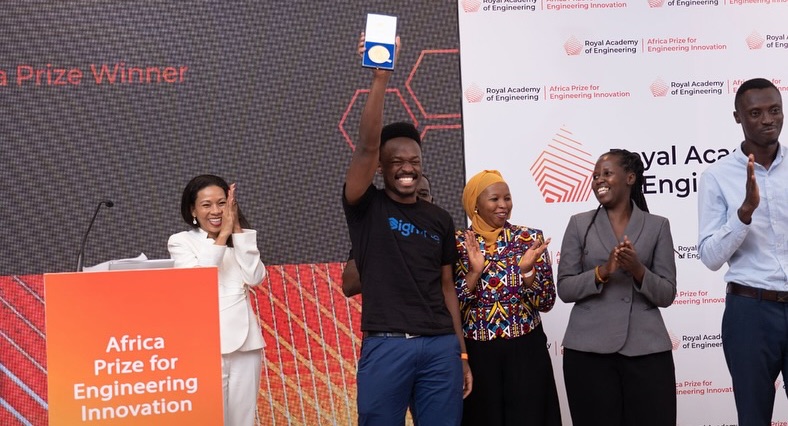
In a landmark moment for African innovation, Kenyan engineer and social entrepreneur Elly Savatia has been named the 2025 winner of the Royal Academy of Engineering’s Africa Prize for Engineering Innovation for his pioneering sign language translation app, Terp 360. The award, Africa’s largest dedicated engineering prize, was presented at a live final held in Dakar, Senegal, the first time the event has been hosted in in Francophone Africa.
Savatia’s creation, Terp 360, uses artificial intelligence and 3D avatars to translate spoken language into sign language in real time. The app, developed in collaboration with the deaf and hard-of-hearing community, currently features a growing database of over 2,300 locally recorded signs, ensuring it captures the richness and cultural nuances of African sign languages. The innovation directly addresses the chronic shortage of interpreters across the continent, expanding access to education, healthcare, and public services for millions of people.
“I’m totally grateful for this, and it is a testament to the innovative assistive technology work that is coming from Africa,” said Savatia after his win. “I’m really looking forward to the excellence that will come out of Signvrse, the rest of the shortlistees, and the African continent.”
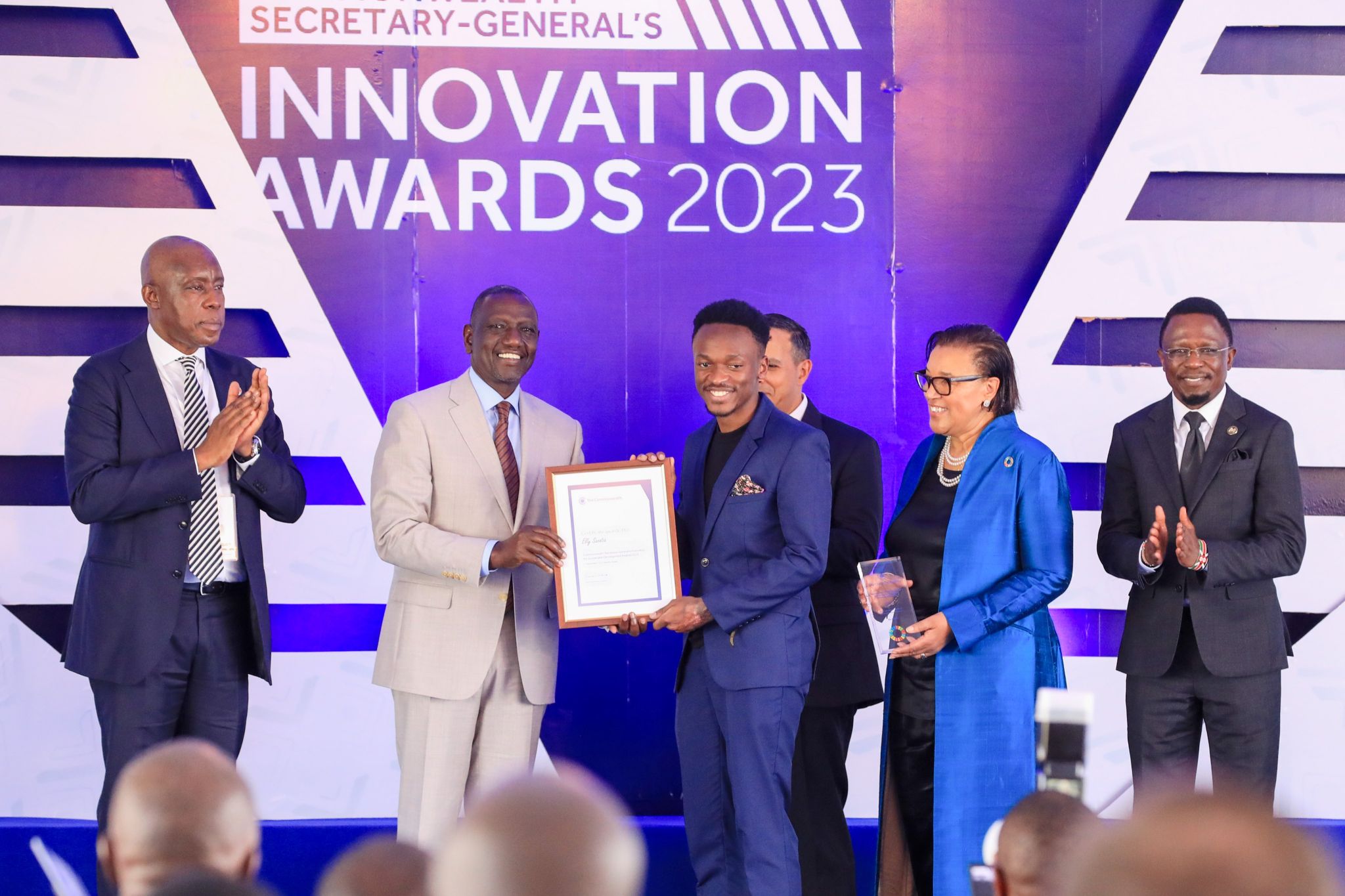
Elly Savatia also won the Commonwealth Secretary-General’s Innovation for Sustainable Development Awards in 2023.
Savatia received £50,000 to advance the next stage of Terp 360’s development, with plans to expand into the education, corporate, and healthcare sectors. The prize recognizes not only the brilliance of his solution but also its potential for scale and social impact.
Chair of the judging panel, Rebecca Enonchong FREng, hailed the innovation, saying, “This is exactly what the Africa Prize is all about, showcasing cutting-edge innovations by Africans for the world.”
Three other finalists were also honoured: Vivian Arinaitwe from Uganda for Neo Nest, a neonatal warming and monitoring device; Frank Owusu from Ghana for Aquamet, a smart water-quality monitoring system for fish farmers; and Carol Ofafa from Kenya for E-Safiri, a solar-powered battery-swapping and charging network for e-mobility. Each finalist received £10,000, while Rui Bauhofer from Mozambique won the One to Watch Award for Eco-Plates, biodegradable plates made from recycled maize husks.
Since its launch in 2014, the Africa Prize for Engineering Innovation has supported over 160 innovators from more than 20 countries, providing mentorship, funding, and access to a global network of investors and engineers. Many alumni have gone on to lead thriving enterprises that create jobs and tackle some of Africa’s most pressing challenges.
— Story adapted from the Royal Academy of Engineering press release.