DHL Global Forwarding Zimbabwe Outlines Keys to Seamless Global Trade at Texpo 2026

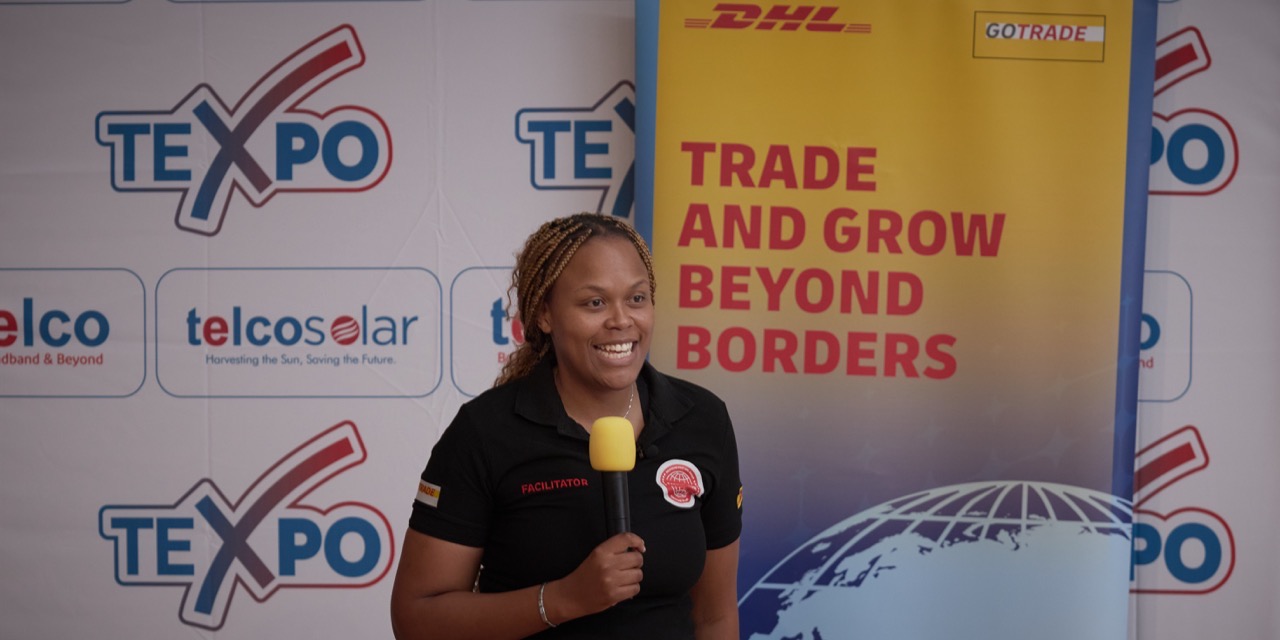
At Texpo 2026, hosted by Telco in Bulawayo on Wednesday, 22 April, Ms. Samantha Kumalo, Head of Sales at DHL Global Forwarding Zimbabwe, delivered a detailed seminar on the realities of international logistics and what businesses must do to stay competitive in global trade.
Addressing entrepreneurs, importers, and supply chain professionals, she emphasised that getting goods to market on time, every time, requires more than booking freight. It demands understanding documentation, anticipating costs, and choosing partners with genuine global reach and compliance capability.
Central to her address was the Bill of Lading, a document she described as the backbone of international shipping. Through the Bill of Lading, the shipping line will do everything for you, from coordinating port handling to managing onward movement.
The shipping line also gives you updates of what is happening with your package, providing visibility at each stage of the journey.
However, Ms. Kumalo was quick to remind attendees that visibility does not remove responsibility. You need to know you are responsible for your package, including understanding terms of sale, insurance coverage, and customs obligations.
She stressed that having a tracking number is non-negotiable, as it remains the most direct way for shippers to monitor movements and intervene when necessary.
Much of the seminar focused on the hidden cost elements in logistics that frequently erode profit margins for unsuspecting businesses. Ms. Kumalo listed inventory carrying costs, duties, product returns, damaged shipments, transportation, administration, and improper freight classification as charges that go beyond the basic freight quote. She explained that misclassification of goods or incomplete documentation can trigger delays, penalties, and unexpected fees, making compliance and accuracy critical from the outset.
For DHL Global Forwarding, whose core business includes air, ocean, and overland freight forwarding services, standardized transports, multimodal and sector-specific solutions, customized industrial projects, and customs services, managing these variables is part of the value proposition.
Ms. Kumalo reaffirmed DHL’s global footprint and infrastructure, noting that the company is international, based in over 250 countries, with established goods security and tracking systems. She outlined typical transit times to help businesses plan: airfreight generally takes 3-8 days, ocean freight 20-45 days, outlier services 1-4 days, and postal services vary depending on destination and mode.
The choice of transportation, she said, should align with budget, urgency, and the nature of the goods, but the priority remains reliability. She quoted DHL’s commitment to the market.
“When you rely on global trade to succeed, we understand how important it is to get your goods to market, on-time, every time. That is why DHL Global Forwarding promises to always offer reliable, flexible and efficient deliveries to and from every country globally, in total compliance with local regulations. We keep our promises so that you can deliver on yours.”
In selecting the right logistics partner, Ms. Kumalo advised companies to evaluate delivery options, return options, pricing options, customer service options, tracking options, and shipping options.
A partner should not only move freight but also provide transparency and support when exceptions occur.
Looking beyond operations, she highlighted DHL’s investment in skills development through the Ubuntu Academy. Set to be launched in May 2026 by DHL Global Forwarding.
Ms. Kumalo’s seminar made clear that successful participation in global trade hinges on knowledge, preparation, and the right partnerships. With DHL Global Forwarding Zimbabwe positioned to support businesses through compliant, trackable, and flexible solutions, and initiatives like Ubuntu Academy building local logistics talent, the message to Bulawayo’s business community was one of opportunity backed by expertise.