Shangano Arts Trust: Amplifying Youth Voices in Community


In the heart of Matabeleland North, where stories of resilience and culture intertwine, Shangano Arts Trust is turning creativity into a powerful force for change. Through theatre, music, and storytelling, the Trust is not only preserving cultural heritage but amplifying youth voices in spaces where decisions are made.
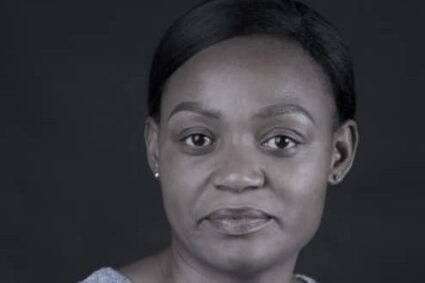
In an exclusive interview, My Afrika Magazine reporter Lingiwe Sifelani (LS) sat down with the Programs Officer, Ernellet Mumba (EM) to uncover how art is shaping both community dialogue and policy in Zimbabwe.
LS: Please introduce yourself in terms of your work with Shangano Arts Trust (SAT).
EM: My name is Ernellet Shalom Mumba. I am a poet, actor, and writer, currently serving as the Programs Officer for Shangano Arts Trust. I also chair the Young People’s Network (Hwange Chapter). My work focuses on using poetry, theatre, and storytelling as tools for social change, youth empowerment, and community engagement.
LS: What were the main objectives of establishing Shangano Arts Trust?
EM: Shangano Arts Trust was established to create safe and inclusive artistic platforms for young people to engage on critical social issues such as gender-based violence, drug abuse, and child marriage. The Trust also uses the arts to promote conservation awareness, particularly around human-wildlife conflict in communities near Hwange National Park. Additionally, it aims to amplify youth voices in community and policy spaces, preserve cultural heritage, promote gender equality and child protection, and support the growth of the creative sector in Matabeleland North by providing platforms for networking and performance.
LS: When was it formed, by whom, and what does it mean?
EM:Shangano is a Nambya word which means meeting place. Shangano Arts Trust was founded by Mr. Petros Ndhlovu, an arts administrator. Its roots trace back to the Shangano Arts Festival, which began in 2007 as a platform for artists to meet, collaborate, and showcase their work. The Trust was officially registered on 19 May 2019 and is currently in the process of registering as a Private Voluntary Organisation (PVO).
LS: Since its inception, what activities have you conducted, and how have the responses in the community been?
EM: The Trust has implemented a range of impactful programs, including the annual Shangano Arts Festival, Safe Space Campaigns addressing social issues through dialogue and performance, conservation theatre initiatives during key environmental commemorations, and school outreach programs that establish poetry clubs focused on life skills and heritage. Community response has been very positive, with support from local leadership, government departments, and partners. The use of the arts has made it easier to engage communities on sensitive topics in a relatable and culturally relevant way.
LS: It seems SAT is a community-based organization. Which communities do you mostly work with?
EM: Shangano Arts Trust primarily works with rural and peri-urban communities in Hwange District, as well as across other districts in Matabeleland North, including Binga, Tsholotsho, Lupane, and Victoria Falls. A strong focus is placed on communities bordering Hwange National Park, where issues such as human-wildlife conflict are prominent. The Trust also engages youth both in and out of school.
LS: What are your current and future projects?
EM: Current projects include the Hwange Youth Safe Space Campaign, ongoing community engagements addressing social challenges; the Shangano Arts Festival held annually; and conservation-focused initiatives such as World Lion Day commemorations and poetry-based awareness campaigns. Plans include expanding safe space programs across all wards in Hwange, establishing a Youth Arts and Conservation Hub, producing a community-driven film on child marriage, and creating intergenerational dialogue platforms that connect elders and young creatives.
LS: What challenges have you faced as a Trust in breaking barriers, creating artistic platforms, and making great impacts?
EM: The Trust has faced challenges such as limited funding, which affects the scale and sustainability of programs, as well as logistical barriers in reaching remote communities. Cultural sensitivity around topics like gender-based violence and child marriage initially posed challenges, but the use of arts and local language has helped bridge these gaps. Youth retention is another challenge, as many young people migrate in search of opportunities, though the Trust continues to address this by creating leadership roles and development opportunities within its programs.
LS: How best can you be contacted for collaborations on your programs and events?
EM:We welcome collaborations and are highly responsive to partnership opportunities. Interested individuals and organisations can reach us through our email on shanganoartstrust@gmail.com, for proposals and concept notes, or in person at the Shangano Arts Office at Hwange Resource Centre.
LS: How do you get your message across? Any published work yet?
EM: We use diverse art forms to engage and communicate with communities:
Live performances: Poetry, theatre, and interactive dialogues held in schools, wards, and public events such as World Wildlife Day (Mabale 2026) and the Shangano Arts Festival.
Digital storytelling: Short films, spoken word videos, and campaign visuals shared on WhatsApp, Facebook, and YouTube, with artists like Black Jewel reaching wider national audiences. Media partnerships: Collaborations with community radio stations like Hwange FM and local press to amplify conversations on issues such as gender-based violence and conservation. While we are primarily performance-based, our work has been featured in The Sunday News, ZBC, and partner NGO reports. A Shangano Arts Trust youth poetry publication focusing on conservation and gender is currently in development for 2027.
LS: As Shangano Arts Trust, where do you draw your inspiration from? Any mentors?
EM: Our inspiration is deeply rooted in the people and environment of Matabeleland North:
The community: Elders preserving cultural heritage, women challenging child marriage, and young people leading change despite challenges. Their lived experiences shape our creative work.
The environment: Living alongside Hwange National Park informs our storytelling on coexistence, conflict, and conservation.
Mentorship and partnerships: Guidance from cultural leaders, local authorities such as the District Administrator, and collaboration with organisations like IFAW, alongside national arts practitioners.
Our youth: Their voices, creativity, and resilience remain central to our mission of ensuring no young voice in Hwange goes unheard.