Africa Mourns a Trailblazer for Women’s Leadership

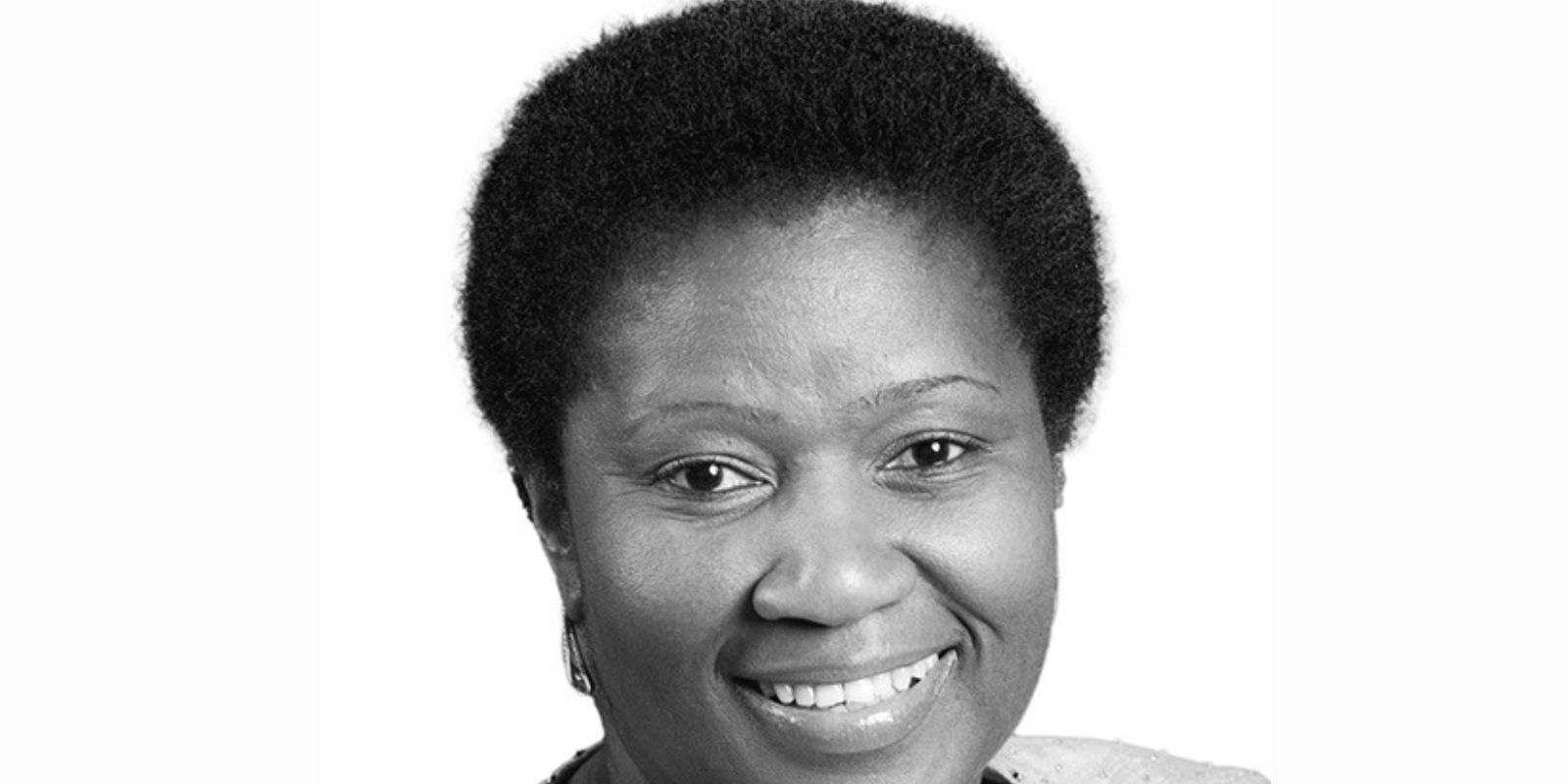
Africa has lost one of its most remarkable daughters. Dr Phumzile Mlambo-Ngcuka, South Africa’s first woman Deputy President and former head of UN Women, has died at the age of 71. Acting President Paul Mashatile said he learned of her passing with shock and sadness. That feeling has been shared by people far beyond South Africa’s borders.
Before the titles, the motorcades and the podiums in New York, she was a teacher. Born in Clermont, KwaZulu-Natal, in 1955, she taught at Ohlange High School in KwaZulu-Natal from 1981 to 1983, the school founded by John Dube. Anyone who heard her speak could tell. She explained rather than lectured, and she never lost her belief that education could change a person’s life.
That belief took her to Geneva, where at the World YWCA she established a global programme for young women. At home she became the first president of the Natal Organisation of Women during the hardest years of the struggle against apartheid. She organised and mentored women, and she made room for those who came after her.
When democracy arrived in 1994, she entered Parliament. In 1999 she became Minister of Minerals and Energy, overseeing an industry that had built South Africa’s wealth while shutting most South Africans out of it. In 2005 she made history again: she was appointed deputy president—the first woman named to that position. In that role she championed skills development and economic growth, pushing for young people to be trained for the jobs a growing economy needed.
Her time in office was not free of controversy, and she faced hostile headlines. When questions were raised, she asked the Public Protector to investigate, and once again she was cleared of any wrongdoing. She chose to face scrutiny rather than avoid it, and that tells you something about her.
The world came to know her best through UN Women, which she led from August 2013 to August 2021. She refused to treat gender equality as a “women’s issue” alone. Through the HeForShe campaign she invited men and boys into the fight, arguing that equality was everyone’s business. She took the message to presidents, corporations, villages and classrooms alike. When COVID-19 struck, she was among the first to warn that the pandemic would deepen violence against women and push millions of women back into poverty.
Former colleagues describe a woman who was warm but relentless. She could make a junior staffer feel heard and then hold a head of state to account an hour later. She went back to her studies late in life and earned a doctorate in education, still learning while leading.
What will people remember? A girl from Clermont who became a teacher, then an activist, then a minister, then a Deputy President, then a global voice for half of humanity. They will also remember that each time she rose, she brought other women with her.
Africa has lost a trailblazer. Millions of women and girls, many of whom never knew her name, live with more possibility because she refused to accept less. Hamba kahle, Mama Phumzile. Your lesson continues.