African Australians Shaping Melbourne’s Cultural Identity

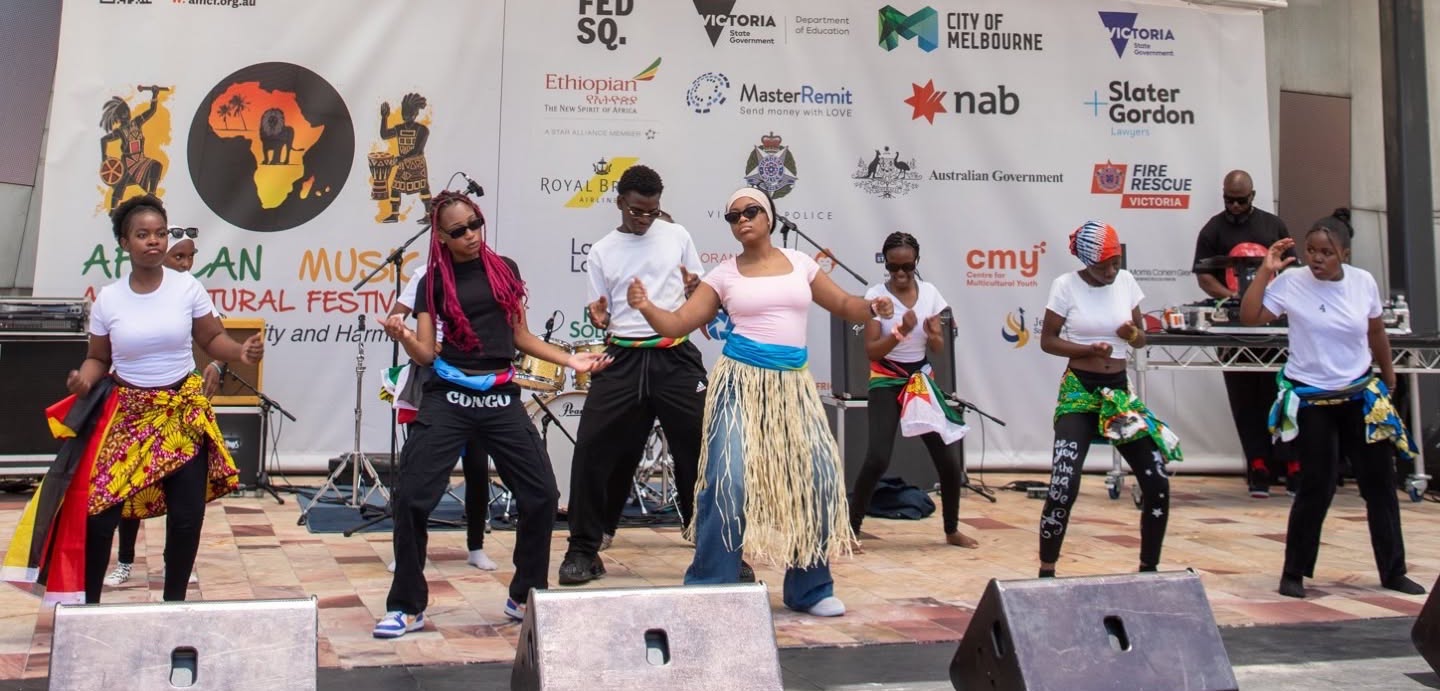
Melbourne’s African Music and Cultural Festival concluded its three-day programme at Federation Square on Sunday, 22 November, marking another chapter in the growing contribution of African communities to Australia’s cultural landscape.
Now in its thirteenth year, the festival has developed from a one-day celebration into a major multicultural gathering, bringing together music, fashion, food, film, business and community activities.
According to organisers, more than 40 African communities are involved in the festival’s planning and delivery, with the event attracting over 50,000 people annually.
This year’s programme brought together performers from different African backgrounds, including Zimbabwean artist Niasha, Kenyan artist Elsy Wameyo and South African act Afro Space Interchange.
Sunday’s programme also included discussions about African Australian medical pioneers, youth leadership and representation, alongside cultural performances and the popular Jollof Rice Wars.
Yet the significance of the festival extends beyond the stage.
Across Melbourne, African Australians are establishing businesses, contributing to professional industries, developing creative enterprises and raising families whose identities reflect both their African heritage and Australian experiences.
Cultural gatherings provide an opportunity to make those contributions more visible.
For African-owned businesses, the festival offers access to customers and networks. For artists, it provides a public platform. For families, it creates opportunities to share traditions and introduce younger generations to their cultural heritage.
Importantly, the festival also invites Australians from other backgrounds to engage directly with African communities through shared experiences rather than distant perceptions.
Its continued growth reflects a broader development in multicultural Australia: communities are not simply adapting to their surroundings but actively participating in shaping them.
However, cultural recognition should not end when the performances conclude.
Lasting progress also depends on access to business opportunities, professional networks, investment and spaces where African Australian voices can participate in decisions affecting their communities.
The festival may have concluded for another year, but the cultural and economic contributions it represents continue throughout Melbourne.
African Australians are not merely celebrating their place in the city. They are helping shape its identity.