UK Commits US$2 Million as Zimbabwe moves towards mine-free future

Tapiwa Rubaya is the current affairs, fashion and sports reporter at My Afrika Magazine.
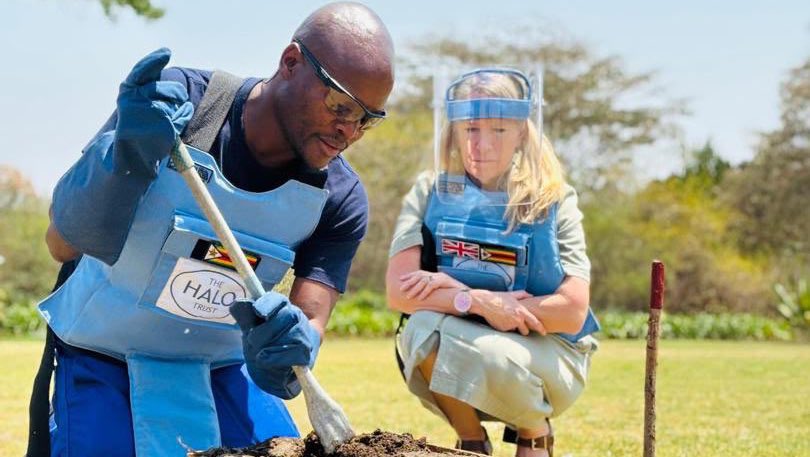
Zimbabwe’s goal of becoming mine-free by 2030 has received a further boost, with the United Kingdom committing an additional US$2 million towards humanitarian demining.
British Ambassador to Zimbabwe Gill Lever announced the funding, noting that only eight square kilometres remain to be cleared for the country to reach its target.
“Eight square kilometres stand between Zimbabwe and a mine-free future by 2030,” Ambassador Lever said in her statement.
She also called on businesses to join the government and international donors in supporting the final stages of the clearance programme.
“Today I called on businesses to join government and donors in the final push: back mine clearance, make land safe for communities, turn it into opportunity and let’s finish the job!” she said.
Landmines left behind by past conflicts continue to pose risks to people living and working in affected areas. Beyond the danger of injury or death, contaminated land can restrict farming, limit access to community spaces and prevent families from using land for productive activities.
Clearing these areas would give communities greater freedom to use their land safely, whether for agriculture, infrastructure development or other economic opportunities.
The additional British funding comes as Zimbabwe enters the final phase of its demining efforts. Organisations such as The HALO Trust and the Mines Advisory Group have been involved in humanitarian mine clearance, helping communities deal with the lasting effects of landmines.
The ambassador’s appeal to businesses also highlights the importance of private-sector involvement in achieving the 2030 target. With the remaining work requiring resources and sustained cooperation, support from companies could help strengthen the efforts of government and humanitarian organisations.
To the communities affected by landmines, the benefits of clearance extend beyond removing explosives from the ground. Safe land can give farmers more room to work, allow development projects to proceed and reduce the risks faced by people going about their daily lives.
With eight square kilometres left to clear, Zimbabwe’s mine-free ambition is approaching a critical stage. The challenge will be to maintain the funding and cooperation needed to ensure that the remaining work is completed by 2030.