The Agripreneur Changing Zimbabwe’s Farming Narrative — Wadzanai Manyore

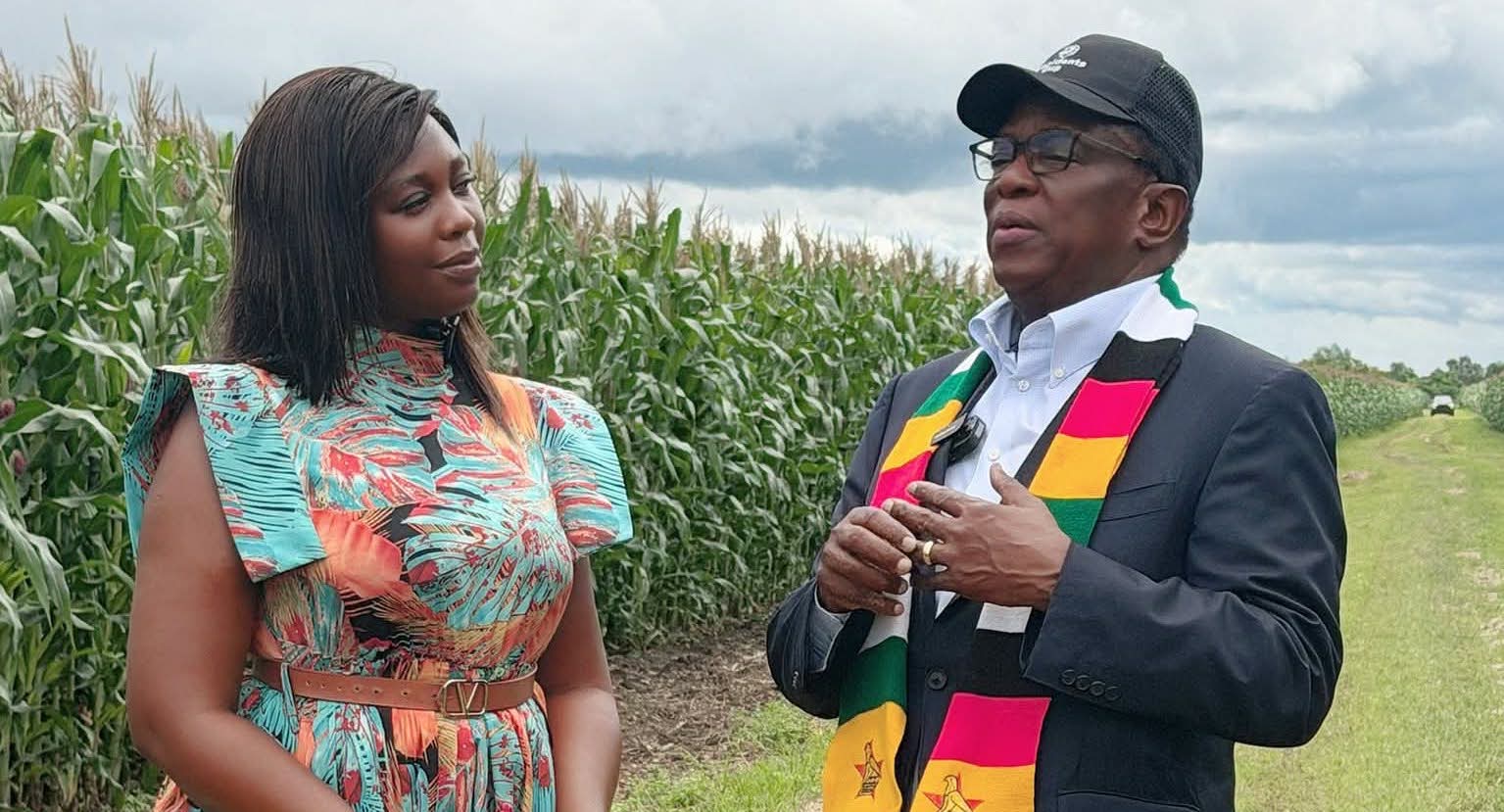
In Zimbabwe’s farmlands, where the soil tells stories of resilience and struggle, Wadzanai Manyore has become a name synonymous with transformation. She is not just an agronomist — she is a visionary storyteller, weaving together science, business, and human experience to redefine what farming means in the 21st century.
Wadzanai’s journey is rooted in knowledge. With a BSc in Agriculture and Natural Resources, an MSc in Agribusiness, an MBA in Finance, and Postgraduate Diploma in Marketing, among others, she embodies the rare fusion of technical expertise and business acumen. Her farms produce tobacco, wheat, potatoes, butternuts, soybeans, and maize, alongside livestock, but her true harvest lies in the ideas she plants in others.
Farmers who once struggled with low yields now speak of how Wadzanai introduced them to Dekalb maize seeds — drought-resistant and disease-tolerant — or taught them the importance of soybean inoculation. These are not abstract lessons, they are lifelines for families whose survival depends on the soil.
Her influence stretches from the grassroots to the national stage. Farmers recall her visits where she explained how barley and winter peas could diversify income streams, while livestock producers remember her advocacy for Ankole cattle and Boran heifers, breeds that thrive in Zimbabwe’s climate.
Even policymakers have taken note. In discussions with President Emmerson Mnangagwa, Wadzanai has emphasized food sovereignty and resilience, reminding leaders that Zimbabwe can reclaim its title as the breadbasket of Africa if innovation is embraced.
Her work is not confined to fields and boardrooms. Through her YouTube channel “Agribusiness with Wadzanai Manyore”, she has reached over 32,000 subscribers and 2.3 million viewers, turning digital platforms into classrooms for farmers across the country.
Agriculture in Zimbabwe has long been a male-dominated arena, but Wadzanai has stepped into it with authority and grace. She is not only farming — she is redefining leadership in agribusiness.
Young women often cite her as proof that agriculture is not just about subsistence but about profitability, dignity, and national importance. Her presence in media and consultancy has created a new narrative: one where women are not sidelined but are central to the future of farming.
Wadzanai Manyore’s story is one of soil and spirit. As an agronomist, she brings science to the land. As a strategist, she brings vision to the sector. And as a woman, she brings empowerment to a generation that sees agriculture not as yesterday’s struggle but as tomorrow’s opportunity. Her journey reminds Zimbabweans that farming is more than planting and harvesting — it is about feeding nations, shaping policy, and inspiring change.

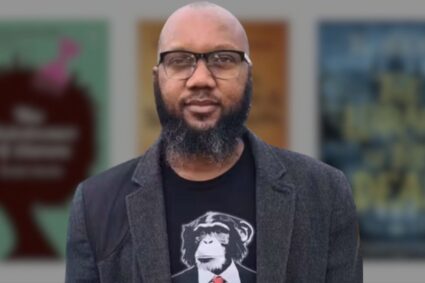

Iam a Francis Muzofa a Zimbabwean poet currently based in Namibia. I love my shona idioms, proverbs, chibhende and anything parabolic and or philosophical.
Iam equally good with this both in shona and in english. I am suggesting we add to your magazine more like a qoute or proverb or a word for the day/week in magazine. The qoute will be inclined to agripreneu, it can be a brandnew origination of mine or it can be from another guru out there dead or alive. In either language it will run along the translation. How about that? ponder over it.