Zambia’s Presidential Ballot Highlights a Gender Gap in Leadership

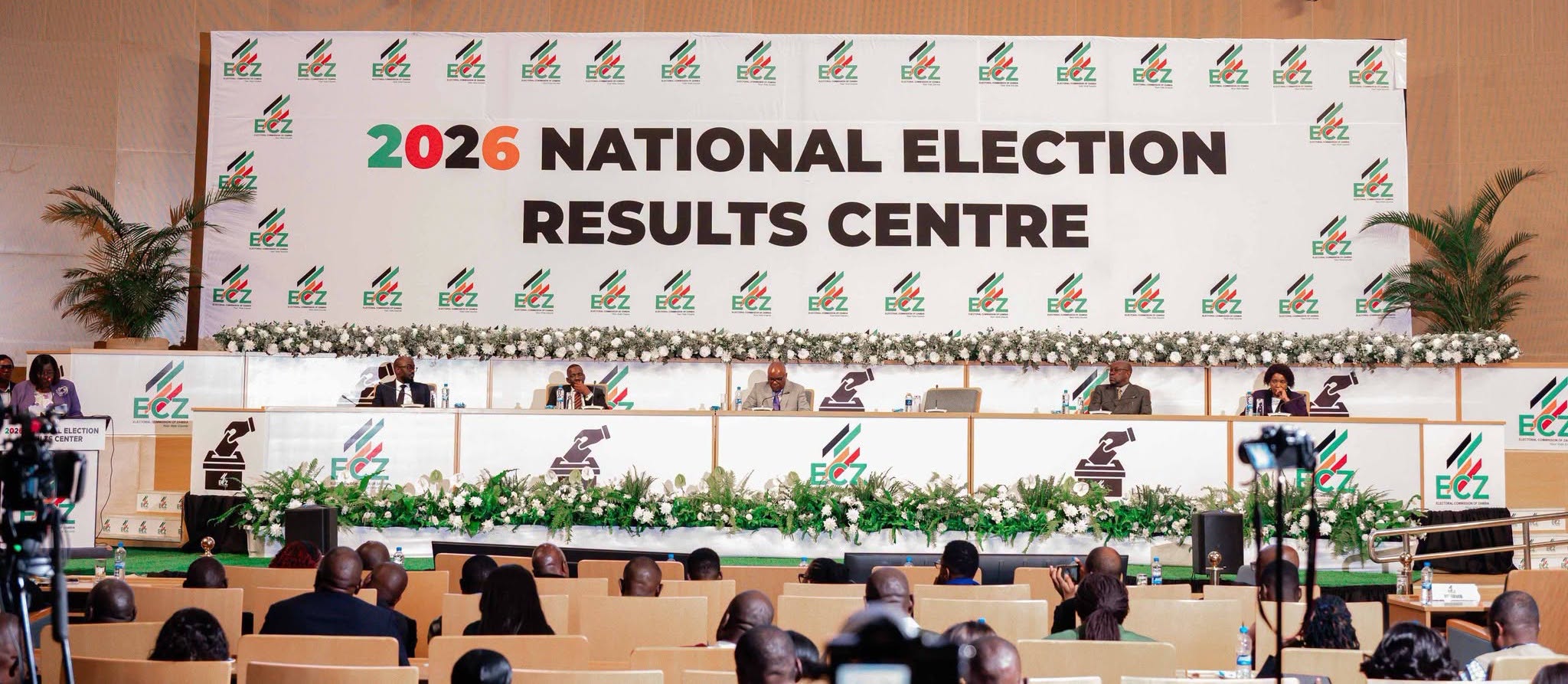
There is a striking human story within Zambia’s 2026 presidential election. It is not simply about who will win, but about the women who vote, raise families, build businesses and shape communities — and how few are appearing at the top of the ballot.
Zambia’s 2022 Census of Population and Housing recorded 19,610,769 people, including 10,007,713 females and 9,603,056 males. Women therefore make up slightly more than half of the country’s population.
Yet among the 14 presidential candidates contesting the 13 August 2026 election, only one is a woman: Given Katuta Mwelwa, an independent candidate and former Chiengi Member of Parliament.
Her candidacy carries significance beyond the campaign itself. For many Zambian women and girls, seeing a woman place her name alongside 13 men for the country’s highest office is a powerful reminder that political leadership is not exclusively a male space.
Katuta described her candidacy as a milestone for women’s participation in high-level political contests when she filed her nomination.
Women are also represented among the presidential running mates, with Mutale Nalumango, Dolika Banda, Chipo Miyoba and Mirriam Banda named on presidential tickets. Their presence ensures that female voices remain part of the country’s highest-level political contest, even as only one woman seeks the presidency.
For a young girl growing up in Lusaka, Kitwe, Livingstone, Chipata or a rural community, that visibility can help expand what she believes is possible — whether as a councillor, entrepreneur, lawyer, scientist, teacher, Member of Parliament or, one day, president.
Representation does not mean that women will share the same political views, nor does gender automatically determine policy priorities. Its significance lies in possibility.
The census figures make that contrast particularly striking. More than 10 million women were counted in Zambia’s latest national census, forming a substantial part of the country’s social and economic life. Yet the presidential ballot features just one woman among 14 candidates.
The gap does not capture the full picture of women’s participation in Zambia, where women contribute across business, public service, civil society and politics. But it does raise an important question: what will it take for more women to see the country’s highest leadership positions as spaces open to them?
Perhaps the most important part of this story is not what happens to the single female presidential candidate on election day.
It is what happens after.