President Duma Boko’s Rhythm of Leadership: Botswana’s Arts Take Centre Stage

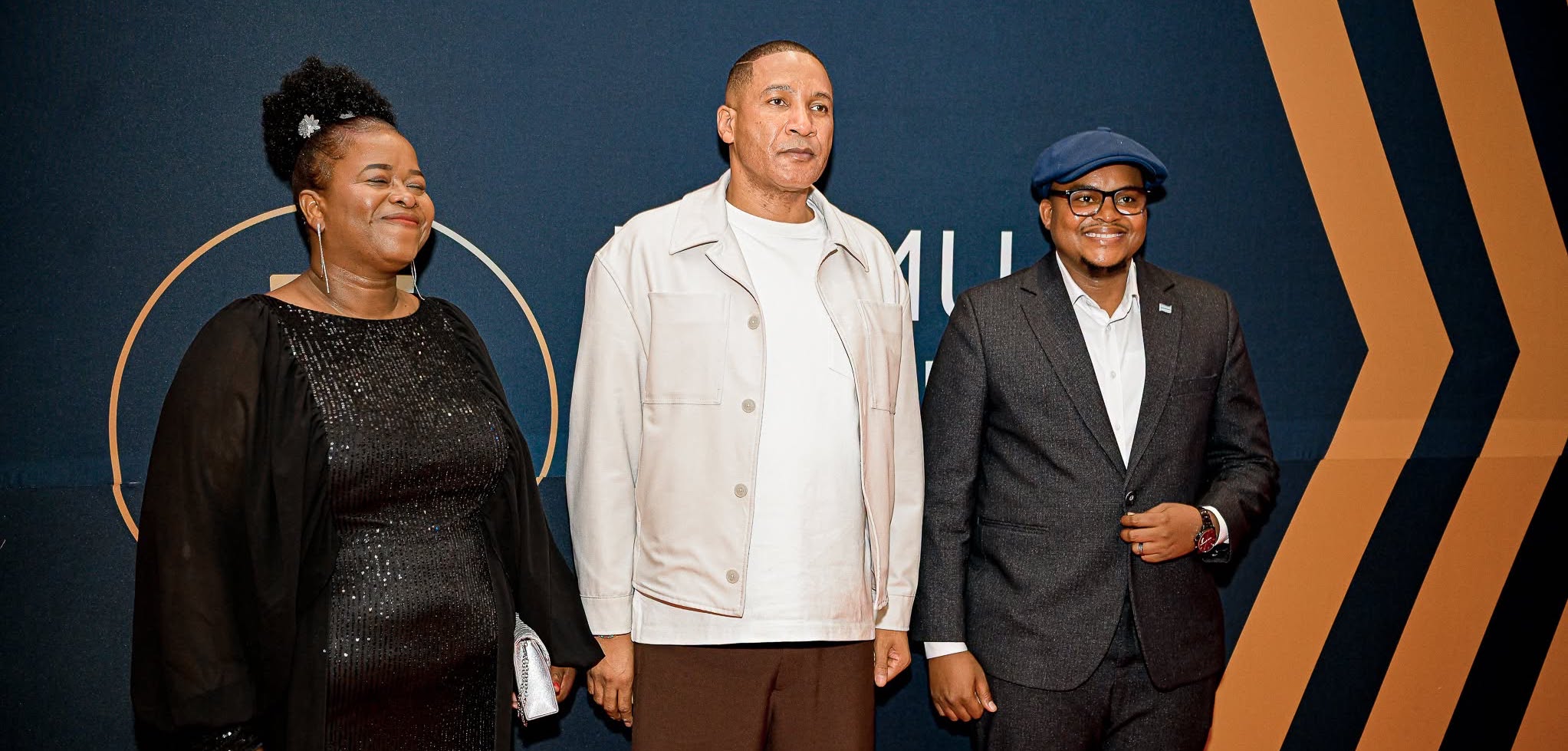
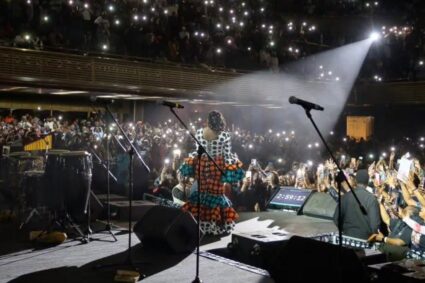
By the time the music started at the Botswana Music Union (BOMU) Awards, President Duma Boko was no longer simply a head of state attending an awards ceremony. He was part of the cultural moment, surrounded by the musicians, performers and audiences shaping Botswana’s creative identity.
Boko’s presence at the awards was significant not only because of his office, but because of his visible connection to music and traditional performance.
The president has repeatedly been seen embracing Tswana music and dance, offering audiences a glimpse of the man beyond the formalities of political leadership. During a visit to Zimbabwe, he also joined a traditional dance before a large crowd, turning a cultural moment into a simple expression of connection between two neighbouring nations.
That relationship makes his appearance at the BOMU Awards particularly meaningful. The event placed Botswana’s musicians, songwriters, producers, performers and industry professionals at the centre of national attention.
For artists, having the president present goes beyond ceremony. It signals that the creative sector is part of the national conversation, not simply entertainment, but a powerful expression of identity and an increasingly important economic and cultural force.
Across Africa, music, fashion, film and dance are becoming some of the continent’s most influential cultural exports. Botswana is part of that movement, with artists using contemporary sounds and traditional influences to tell the country’s story to audiences at home and abroad.
Political leaders cannot create the next hit or fill a concert venue, but their presence can provide something equally valuable: recognition.
Boko appears comfortable offering that recognition. Rather than remaining a distant spectator, he has shown a willingness to participate in cultural moments, whether through traditional dance or by celebrating the achievements of artists.
At the BOMU Awards, that spirit took a more formal stage. Artists gathered to celebrate years of creativity and achievement, while the country’s president joined them in recognising the industry.
It was more than a presidential appearance. It was a reminder that culture can connect people in ways that politics often cannot.
As African creative industries increasingly influence tourism, diplomacy, identity and economic opportunity, visible support from national leadership carries weight. Sometimes, cultural confidence begins with leaders showing that they are not only willing to represent the culture of their people, but proud to celebrate it, too.