Africa’s October Runways: Different Cities, Different Stories, One Creative Language

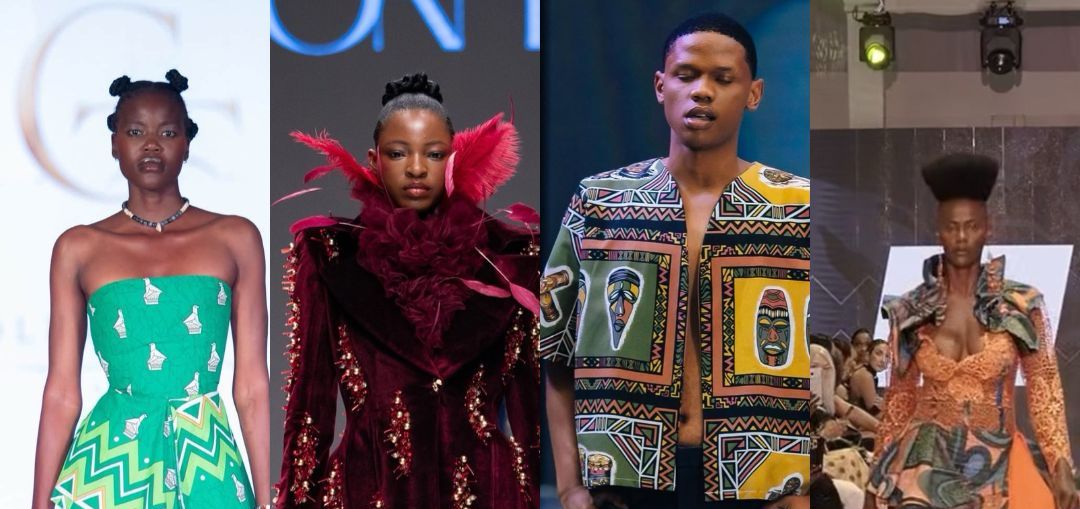
Fashion in Africa rarely tells one story. It changes from city to city, drawing from different cultures, histories and personal experiences. October offered a good reminder of that, as designers and models took to runways across the continent, each bringing something of their own to the conversation.
From Harare to Luanda, Gaborone, Johannesburg and Lagos, the month carried a busy calendar of fashion events. Bulawayo also had its moment through The PiChani, adding to the city’s fashion and lifestyle activity.
In Harare, Zimbabwe Fashion Week returned from 7 to 10 October under the theme ‘SOWN: Rooted in Zimbabwe’. The theme placed local identity and creative expression at the centre of the event.
It was an opportunity for designers to explore what it means to create from Zimbabwe, using fashion to interpret heritage while making room for contemporary ideas.
A few days later, Angola Fashion Week marked its 20th anniversary in Luanda on 10 October. Its theme, ‘Welwitschia’, drew inspiration from the unusual desert plant associated with resilience and strength. The anniversary gave the event another reason to look back at its journey while bringing designers, music, dance and other creative expressions together.
In Gaborone, Fashion Without Borders Botswana took a different route. Held from 15 to 17 October, the event brought together 22 designers from Botswana, Senegal, Nigeria, Zimbabwe and South Africa under the theme ‘Sustainable Fashion Blueprint’.
The name itself spoke to the value of exchange. Fashion does not have to stop at national borders, and a designer from one country can find inspiration, business connections and new audiences in another.
The event also placed attention on the business side of the industry. A masterclass led by TSHEPO Jeans founder Tshepo Mohlala explored branding, craftsmanship, sustainability and fashion business. Three designers from Botswana and South Africa were also recognised for internship opportunities with Mr Price in Durban.
That kind of opportunity matters.
A runway can give a designer visibility, but access to mentorship, retail networks and practical industry experience can help turn creative ability into a sustainable career.
Johannesburg then welcomed South African Fashion Week’s Autumn/Winter 2027 collections from 21 to 25 October. The programme placed emphasis on craftsmanship, construction and the value of locally made fashion. It also made space for emerging designers through initiatives such as Interns by David Tlale.
There is something worth appreciating about a fashion platform that allows established names and new talent to share the same space. The industry needs its recognised designers, but it also needs fresh voices who are still finding their language and building their place.
In Bulawayo, The PiChani added another dimension to October’s fashion calendar. Its presence was a reminder that fashion activity is not limited to the major capitals or established international platforms. Smaller creative gatherings also have a role in keeping local talent visible and giving fashion a place in everyday cultural life.
As October drew to a close, Lagos Fashion Week took place from 28 to 31 October, bringing another major African fashion platform into the month’s conversation.
What stands out from all these events is the variety. Zimbabwe explored its roots. Angola celebrated two decades of fashion and looked to a symbol of resilience. Botswana encouraged cross-border collaboration and industry development. South Africa placed attention on craftsmanship and emerging talent, while Lagos continued the West African runway conversation.
The designers deserve recognition for the work that goes into presenting a collection. Behind every finished look are hours of planning, fabric selection, fitting, sewing and revision. The models, too, are part of that work. They give the clothes movement and help communicate the designer’s vision to an audience.