Peter “Rock” Kwaira: Turning the Mister Africa Crown Into a Platform for Purpose and Identity

‘When an African man arrives in Europe, he may be expected to be strong for his family back home while also trying to survive and succeed in a completely different environment…’
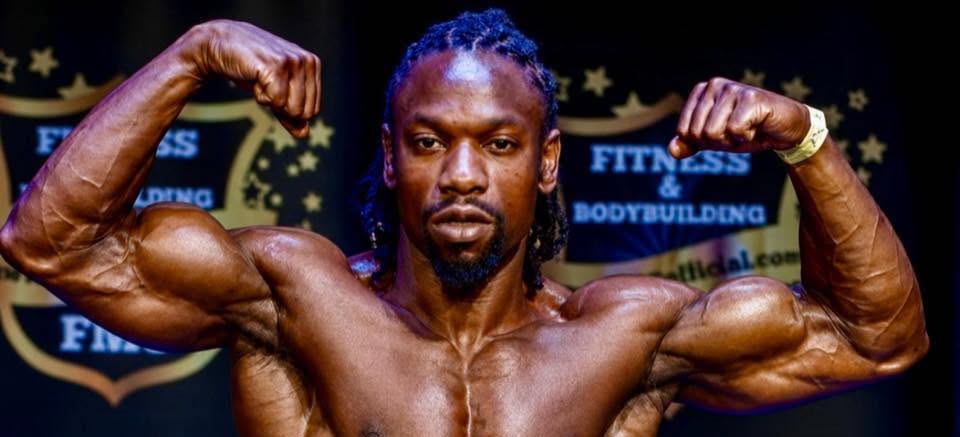
For Peter “Rock” Kwaira, the crown of Mister Africa International Zimbabwe 2026 is not simply a recognition of appearance, confidence or stage presence. It is an opportunity to turn the visibility of African male pageantry into something bigger, a platform for identity, purpose and conversations that are often left unheard.
Kwaira has been named Zimbabwe’s representative for the Mister Africa International All-Stars 2026 in the United Kingdom, where African kings and representatives from across the continent and diaspora will come together on an international platform in October this year.
His arrival on the international pageant stage comes at a significant moment for African male pageantry, where the modern African king is increasingly expected to be more than a polished image on a stage.
For Kwaira, that evolution is captured in the slogan he has chosen for his journey, ‘Rooted In Africa Rising As A King.’
“Being rooted in Africa means understanding where I come from, carrying my culture with pride and respecting the generations that came before me. Rising as a king means taking that foundation and using it to create something meaningful for the generation coming after me,” said Kwaira.
The United Kingdom will provide Kwaira with a very different stage as he is based there.
Representing Zimbabwe at the All-Stars pageant means carrying the country’s identity into an international environment where African culture, heritage and contemporary African masculinity will meet the experiences of Africans living outside the continent. For Kwaira, that is precisely why the opportunity matters.
“I am not going to the competition simply to compete for another title. I am going there carrying Zimbabwe, carrying Africa and carrying the stories of young African men who are trying to find their place in a changing world.”
The All-Stars platform also allows him to engage with the African diaspora communities that remain connected to the continent while navigating life in Europe. Research into African migrants has identified mental-health challenges linked to migration stress, discrimination, social isolation and difficulties accessing appropriate mental-health services.
A systematic review of African immigrants in the UK found that cultural, psychosocial and structural barriers can make accessing mental-health support particularly difficult.
At the heart of Kwaira’s advocacy is men’s mental health. The World Health Organisation reported in 2025 that mental-health conditions affect an estimated 150 million people in Africa, while the region continues to face significant gaps in mental-health services. (Source: WHO 2025 Final year report)
The burden on men is particularly concerning. WHO data places the suicide rate among men in the African Region at approximately 18 deaths per 100,000, among the highest regional rates reported by WHO. For Kwaira, those figures should not simply remain statistics.
“We have raised boys to believe that being strong means being silent. We tell men to provide, to protect, to endure and to never show weakness. However, there is strength in saying, ‘I am struggling.’ There is strength in asking for help. There is strength in saving your own life.”
His message challenges one of the persistent expectations placed on African men, that vulnerability is incompatible with masculinity.
Kwaira wants to help create a different definition of what it means to be a man.
“I want African boys to grow up knowing that they don’t lose their masculinity by talking about depression, anxiety, loneliness or fear. There is strength in asking for support. A king does not have to hide his wounds. A king understands when he needs help.”
His advocacy comes against a backdrop in which research shows that men are often less likely to seek help for mental-health problems, while male suicide mortality remains disproportionately high.
Kwaira’s mental-health message does not stop at the African continent. For Africans living in Europe, the mental-health conversation can become complicated by migration itself, including questions of belonging, identity, employment, discrimination, family separation and adapting to unfamiliar social environments.
Research involving African migrants in Europe has documented links between migration experiences, discrimination and mental-health outcomes including depression, anxiety and PTSD.
Kwaira believes the diaspora needs spaces where African people can speak openly without feeling that they have abandoned their cultural identity.
“When an African man arrives in Europe, he may be expected to be strong for his family back home while also trying to survive and succeed in a completely different environment. Sometimes nobody asks him how he is doing.
” They ask whether he has found a job, whether he is sending money home, and whether he is succeeding. We also need to ask whether he is okay.”
Kwaira also enters the Mister Africa International journey with an awareness that he is not starting from zero.
Previous Zimbabwean representatives have helped establish the country’s presence in international male pageantry, including men who have gone on to compete at the highest level. Among those whose journeys provide lessons is former Zimbabwean representative Future Nyoni, who previously represented Zimbabwe internationally and finished as first runner-up at Mister Africa International. For Kwaira, such achievements create both inspiration and responsibility.
“I have watched the men who represented Zimbabwe before me, and I have learnt that wearing the Zimbabwean sash means you have to carry yourself with discipline. You are not only representing yourself. Every appearance, every interview and every interaction becomes part of the story people tell about your country.”
He also draws lessons from international pageant kings, including former Mister Supranational Dr Fezile Mkhize, whose combination of professional achievement, confidence, communication and purpose demonstrated how a male pageant title can become a platform beyond modelling. Kwaira’s ambition is not to imitate previous kings, however, but to build his own identity.
“I respect every king who came before me. However, my journey must have its own voice. I want people to remember Peter Rock not only because he wore a crown, but because he used that crown to start conversations that mattered.”
His slogan is deliberately built around two ideas: heritage and transformation.
Rooted in Africa, speaks to culture, history, identity and the responsibility of African people to understand their origins. Rising as a King” represents ambition, leadership and the willingness to step into responsibility.
“You cannot rise properly if you have forgotten your roots. Africa gives me my foundation, but my responsibility is to rise beyond the limitations that people sometimes place on African men.”