Intellectual Property: An Overlooked Weapon in Zimbabwe’sFight Against Drug Abuse

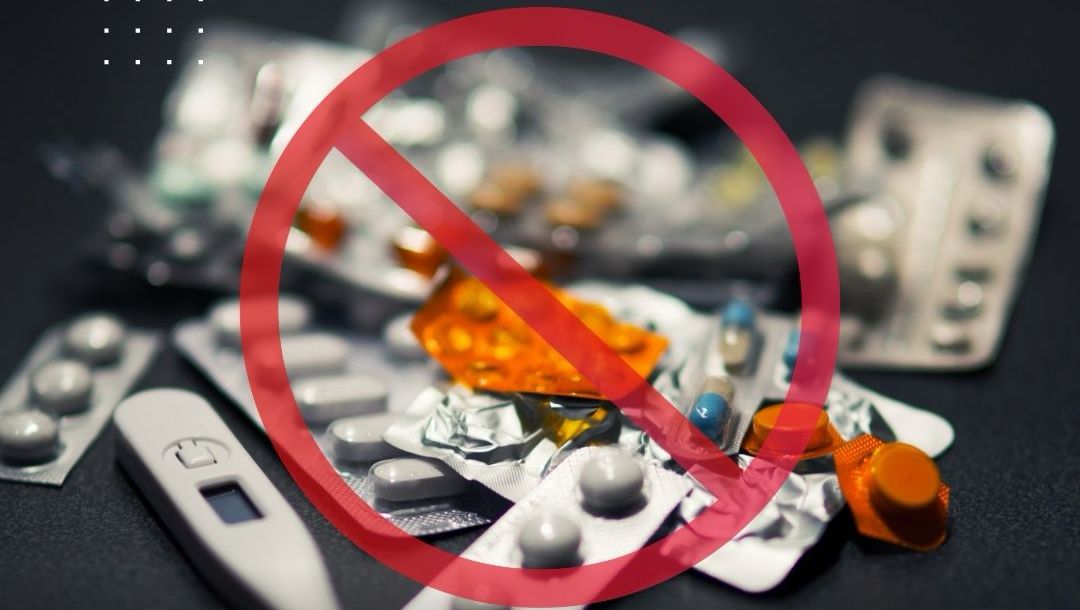
What does intellectual property (IP) have to do with drug and substance abuse?
At first glance, very little. One is associated with patents and trademarks; the other with public health and crime. Yet the two are more closely connected than many realise. The systems that protect legitimate medicines are also part of the defence against counterfeit drugs, illicit pharmaceutical markets, and medicines sold outside regulated healthcare channels.
The issue comes at a time when Zimbabwe is grappling with a growing drug and substance abuse crisis. An Afrobarometer survey released in 2025 found that 79 percent of Zimbabweans believe drug and substance abuse is widespread in their communities, while Development Aid estimates that one in every 30 households in Zimbabwe is affected, representing more than 533,000 people nationwide.
As policymakers search for solutions, experts say intellectual property protection is emerging as an important, though often overlooked, public health tool. Strong trademark and product authentication systems help consumers identify genuine medicines, support regulatory enforcement, and make it harder for counterfeiters and illegal manufacturers to operate.
The threat is far from theoretical. In May, the Medicines Control Authority of Zimbabwe (MCAZ), working with the Zimbabwe Republic Police, uncovered an illegal pharmaceutical manufacturing operation, Organicare, in Zimre Park, Harare. Authorities seized capsule-filling and blister-packing machines and discovered capsules allegedly containing crushed nutshells being marketed as medicines.
MCAZ Public Relations and Communications Manager Davison Kaiyo says the case highlights the dangers posed by unregulated supply chains.
“The Organicare case demonstrates the risks associated with medicines sourced outside authorised channels. While medicines supplied through licensed pharmacies, hospitals and healthcare institutions are generally safe and effective, the risk of exposure to falsified medicines rises significantly when products are obtained from informal markets and unauthorised premises,” he says.
The World Health Organization estimates that one in ten medical products circulating in low- and middle-income countries is either substandard or falsified. Research suggests the challenge is particularly severe in Africa, where some studies estimate that up to one in five medicines may be substandard or counterfeit.
For IP lawyers, this is where intellectual property becomes a public health issue. Intellectual Property lawyer, Nathaniel Manjoro says Zimbabwe has many forms of legislation that are meant to combat brand counterfeiting and it’s a matter of enforcing these laws.
“Zimbabwe has a strong legal framework for protecting intellectual property. Our laws are aligned with international agreements such as the TRIPS Agreement, the Madrid Protocol and the Paris Convention for the Protection of Industrial Property. The challenge isn’t the legislation, we have that in place. The real issue is enforcement. Laws only work when they are consistently applied.”
Community Pharmacists Association of Zimbabwe chairperson Patrick Munamba asserts that counterfeit medicines remain a challenge because Zimbabwe imports more than 80 percent of its medicines, making supply-chain monitoring and border enforcement critical.
“People should only buy medicines from registered pharmacies and healthcare institutions. Counterfeit medicines often enter through informal channels where there are no quality controls,” he adds.
The issue extends beyond counterfeit medicines to the broader challenge of drug and substance abuse. Zimbabwe continues to battle the misuse of substances such as BronCleer, tramadol and crystal meth, some of which are linked to illicit supply chains and the diversion of medicines from legitimate distribution networks.
To strengthen oversight, MCAZ introduced Guidelines for Implementing Traceability of Medical Products in Zimbabwe in July 2025. The framework enables medicines to be tracked throughout the supply chain, making it more difficult for falsified products to infiltrate legitimate markets.
Kaiyo maintains that intellectual property protection plays a complementary role because counterfeiters frequently imitate trademarks, packaging and product identifiers to deceive consumers.
“Protecting the public from falsified and illicit medicines is a shared responsibility. Public vigilance, strong regulation, effective enforcement and consumer awareness all have an important role to play.”
Economist Blessing Nyatanga argues the impact goes beyond public health. Counterfeit medicines undermine legitimate businesses, discourage investment, reduce tax revenues and weaken local pharmaceutical manufacturing.
“They can also contribute to treatment failure, antimicrobial resistance and exposure to dangerous or incorrect substances,” says Nyatanga. “The United Nations Office onDrugs and Crime estimates that poor-quality medicines may contribute to as many as 500,000 deaths annually across sub-Saharan Africa.”
Experts agree that intellectual property protection alone will not solve Zimbabwe’s drug and substance abuse crisis. However, when combined with effective regulation, stronger border controls, industry collaboration and public awareness, it can become an important part of the solution.
As Zimbabwe confronts the growing challenge of drug abuse, intellectual property deserves a place in the conversation. It is not simply about protecting patents and brands. It is about protecting consumers, supporting economic growth and keeping dangerous counterfeit medicines out of the hands of ordinary Zimbabweans.