DJ culture is not a side act, its a movement

There was a time when many of us in the live music space looked at DJs as fillers. The people who played before the “real performance” began. The custodians of aux cables, transitions and crowd maintenance while audiences waited for the band to arrive. Sorry sisi, (that’s me talking to myself).That thinking has aged badly.
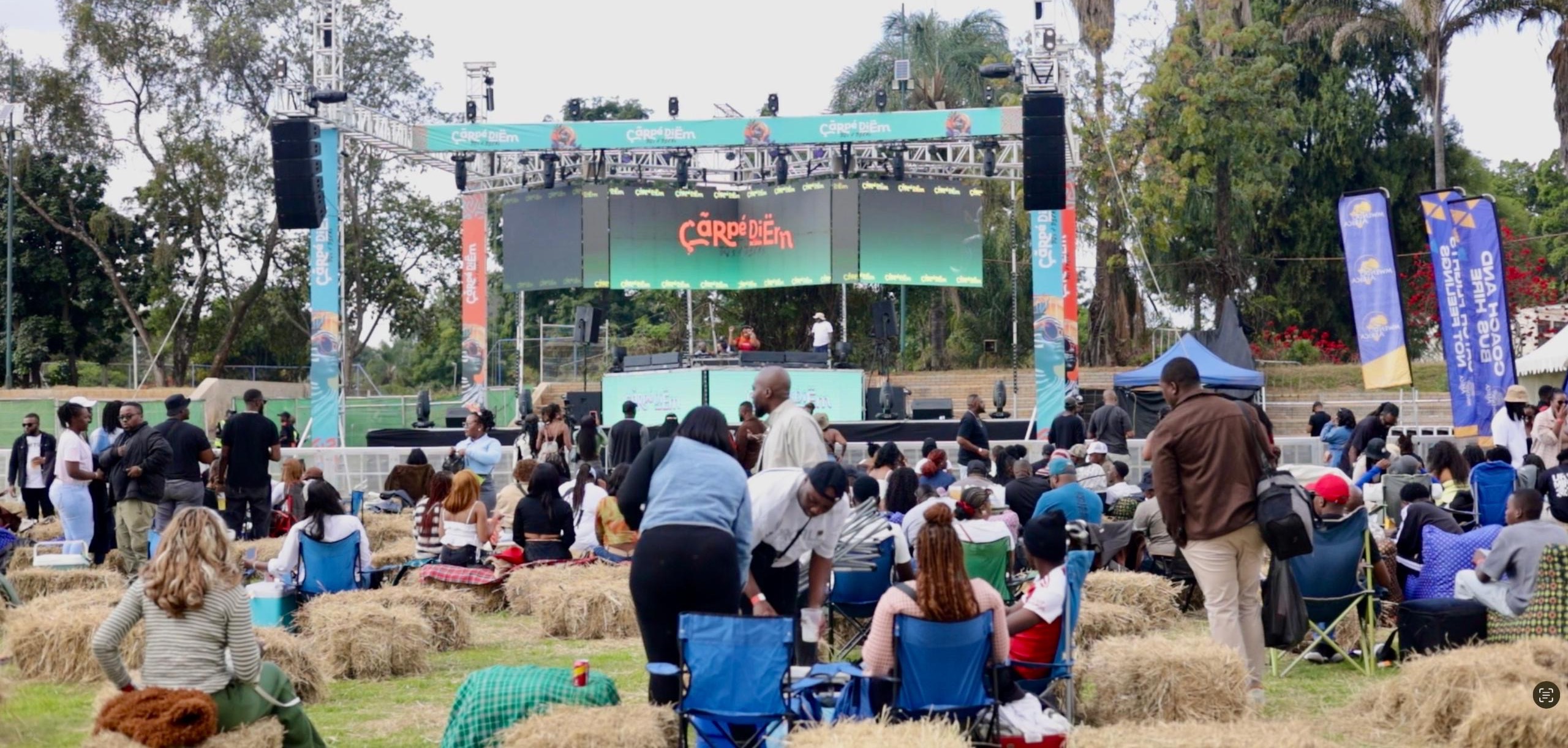
Let me put a disclaimer. I am a live music person through and through. I grew up appreciating instruments, songwriting, rehearsals, bands, vocal arrangements and the almost spiritual exchange that happens between a live performer and an audience. I was introduced to DJ culture through a project I manage called Carpe Diem, a DJ festival held in Harare that celebrates DJ culture, lifestyle, music curation and youth expression. At first, I was skeptical. But work is work.
And somewhere between soundchecks, lineup meetings, watching crowds respond, and listening to DJs speak about their craft, I realized something important: DJ culture is not a side act. It is one of the most influential forces in the modern creative economy. In fact, it may be one of the most underestimated.
The rise of DJ culture did not happen overnight. It evolved alongside technology, urban culture, internet access, nightlife economies and changing audience behavior. DJs moved from simply “playing music” to becoming curators of experience. Today, the DJ is part musician, part storyteller, part programmer, part psychologist and part cultural architect. They understand timing. Energy. Emotion. Nostalgia. Discovery. A good DJ can take thousands of strangers and make them move as one body. That is power.
Across the world, DJs now headline festivals, sell out arenas, shape music trends and influence streaming culture. Entire genres have been born or popularized through DJ communities. In many cities, nightlife economies survive because DJs consistently create spaces where people gather, spend, connect and escape. Zimbabwe is no exception.
In Harare, Bulawayo and other urban centers, DJ culture has become deeply woven into youth identity and entertainment culture. The rise of amapiano accelerated this shift even further. Suddenly, DJs were not only selectors; they became cultural gatekeepers. They introduced sounds before radio stations did. They broke artists before mainstream media noticed. They created communities around taste. Guess what? The audiences responded.
What fascinated me most while working on Carpe Diem was realizing how deeply intentional DJing actually is. Behind every smooth set is research, technical skill, musical knowledge, branding, stage presence and emotional intelligence. The best DJs are students of people. They read crowds the same way conductors read orchestras.
The creative economy often celebrates visible art forms, film, fashion, theatre, fine art, literature, live bands, while underestimating the economic ecosystem around DJs and nightlife culture. Yet DJ culture creates employment at scale.
Think about it. A successful DJ event activates photographers, graphic designers, lighting technicians, MCs, venue owners, security personnel, bartenders, fashion vendors, food traders, social media managers, videographers and transport operators. Entire micro-economies emerge around these music experiences. The DJ is rarely working alone.
Then there is the branding economy. DJs today are brands in themselves. They build audiences online, partner with companies, influence consumer behavior and create cultural relevance for products. In many ways, they have become media platforms.
This is why the creative economy conversation can no longer ignore DJs. Not because DJ culture is trendy, but because it is economically active, culturally influential and socially relevant.
There is also something deeply democratic about DJ culture. Unlike some traditional music systems that require expensive infrastructure, large teams or institutional backing, DJing has created alternative entry points into the creative sector. A laptop, controller, internet connection and consistency can launch a career. Social media then amplifies visibility in ways previous generations could never imagine.
With all that said, I do have one major plea for Zimbabwean DJs: we desperately need more diversity in sound. Too often, everyone is playing the same thing.
The same transitions. The same amapiano log drums. The same viral TikTok songs. The same crowd-tested playlists. You can move from one venue to another and almost predict the set before it begins. While trends are important and audiences naturally gravitate toward familiar sounds, monotony is dangerous for culture.
The role of a DJ is not only to maintain energy. It is also to introduce audiences to possibility.
I would have loved to hear more local sounds intentionally woven into sets. More Zimbabwean music. More experimentation with old-school classics, traditional rhythms, jazz influences, Sungura, Jiti, urban grooves, house remixes of local records, even unexpected fusions that reflect who we are as a people. Because if DJs are cultural gatekeepers, then they also carry the responsibility of cultural preservation and cultural innovation.
One of the things amapiano did so successfully for South Africa was creating a recognizable sonic identity that travelled globally. Imagine if Zimbabwean DJs became more deliberate about shaping and exporting our own sound ecosystems instead of only consuming those from elsewhere.
The crowd may not always know what it wants until a DJ introduces it well. That requires courage. Research. Confidence. Taste. Perhaps that is the next evolution of Zimbabwean DJ culture — moving from simply playing what is popular to helping define what becomes popular. These conversations matter because the culture is no longer emerging. It is here.
One of the biggest lessons Carpe Diem gave me was humility. Sometimes we dismiss what we do not fully understand. I entered the space thinking DJs simply played songs people already loved. I left realizing that DJs help shape what people will love next. That distinction matters.
The modern creative economy is increasingly experience-driven. People are searching for moments, connection, atmosphere and belonging. DJs sit at the center of that shift. They are not background noise to culture. In many ways, they are now among its primary drivers. And perhaps the clearest sign that DJ culture can no longer be ignored is this: even those of us who came from live music spaces are now paying attention.