Youth Leaders push for better Health Services at Southern African Regional Conference

Tapiwa Rubaya is the current affairs, fashion and sports reporter at My Afrika Magazine.
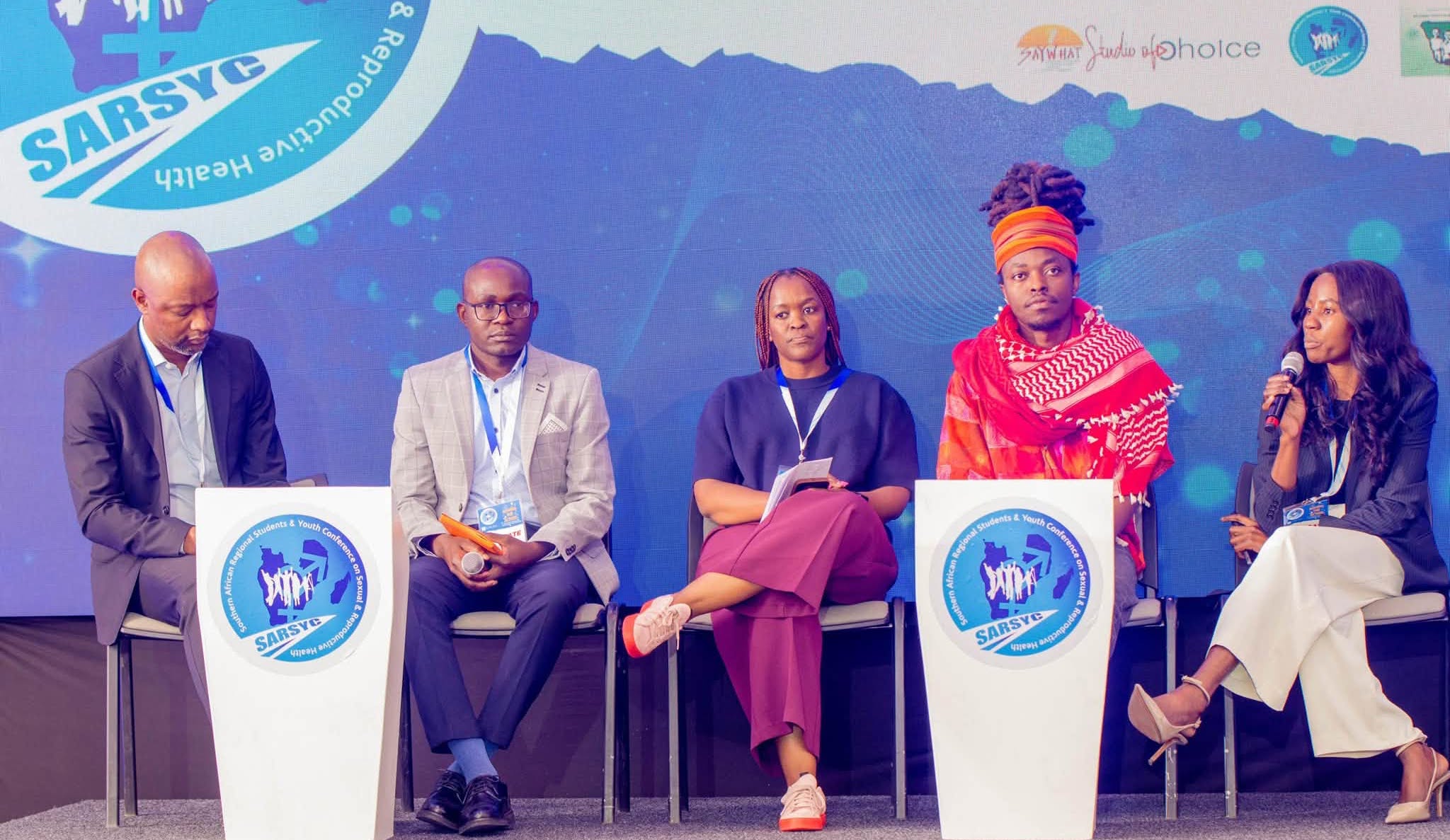
Health took centre stage at the 6th Southern African Regional Students and Youth Conference (SARSYC VI), held in Windhoek, Namibia, from 5 to 7 August 2026.
The conference was convened by the Students and Youth Working on Reproductive Health Action Team (SAYWHAT) in partnership with the University of Namibia (UNAM) under the theme “Align for Action: Sustaining Progress in Youth Health and Education.”
Delegates from across Southern Africa discussed ways to improve sexual and reproductive health services for young people, strengthen HIV prevention programmes, expand access to mental health care, and ensure that quality healthcare reaches all young people regardless of where they live.
Participants also highlighted the need for evidence-based policies that respond to the realities facing students and youth throughout the region.
The conference further examined the growing role of digital technology in healthcare, including digital health solutions that can improve access to health information and services. Youth leaders also explored the links between education and health, stressing that investing in young people’s wellbeing is essential for sustainable development across Southern Africa.
In addition, policymakers, researchers and youth advocates engaged in dialogue on building stronger partnerships to address emerging health challenges, including mental health, gender equality, and barriers that prevent young people from accessing quality healthcare. The conference concluded with renewed calls for governments and regional institutions to place young people at the centre of health policy and decision-making.
Another major area of discussion was the importance of increasing investment in youth-friendly health services. Delegates noted that many young people continue to face stigma, limited access to healthcare facilities, and inadequate information on preventive health.
Participants encouraged governments to allocate more resources towards strengthening health systems that are responsive to the unique needs of adolescents and young adults, particularly those in rural and underserved communities.
The conference also underscored the value of cross-border collaboration in addressing regional health challenges. By sharing research findings, best practices and innovative solutions, delegates expressed confidence that Southern African countries can make significant progress in improving health outcomes for young people.
The gathering ended with a renewed commitment to fostering partnerships that empower youth to become active contributors to healthier, more resilient communities across the region.
The conference was convened by the Students and Youth Working on Reproductive Health Action Team (SAYWHAT) in partnership with the University of Namibia (UNAM) under the theme “Align for Action: Sustaining Progress in Youth Health and Education.”
Delegates from across Southern Africa discussed ways to improve sexual and reproductive health services for young people, strengthen HIV prevention programmes, expand access to mental health care, and ensure that quality healthcare reaches all young people regardless of where they live.
Participants also highlighted the need for evidence-based policies that respond to the realities facing students and youth throughout the region.
The conference further examined the growing role of digital technology in healthcare, including digital health solutions that can improve access to health information and services. Youth leaders also explored the links between education and health, stressing that investing in young people’s wellbeing is essential for sustainable development across Southern Africa.
In addition, policymakers, researchers and youth advocates engaged in dialogue on building stronger partnerships to address emerging health challenges, including mental health, gender equality, and barriers that prevent young people from accessing quality healthcare. The conference concluded with renewed calls for governments and regional institutions to place young people at the centre of health policy and decision-making.
Another major area of discussion was the importance of increasing investment in youth-friendly health services. Delegates noted that many young people continue to face stigma, limited access to healthcare facilities, and inadequate information on preventive health.
Participants encouraged governments to allocate more resources towards strengthening health systems that are responsive to the unique needs of adolescents and young adults, particularly those in rural and underserved communities.
The conference also underscored the value of cross-border collaboration in addressing regional health challenges. By sharing research findings, best practices and innovative solutions, delegates expressed confidence that Southern African countries can make significant progress in improving health outcomes for young people.
The gathering ended with a renewed commitment to fostering partnerships that empower youth to become active contributors to healthier, more resilient communities across the region.