Botswana Strengthens Regional Finance Framework with Key SADC Agreements

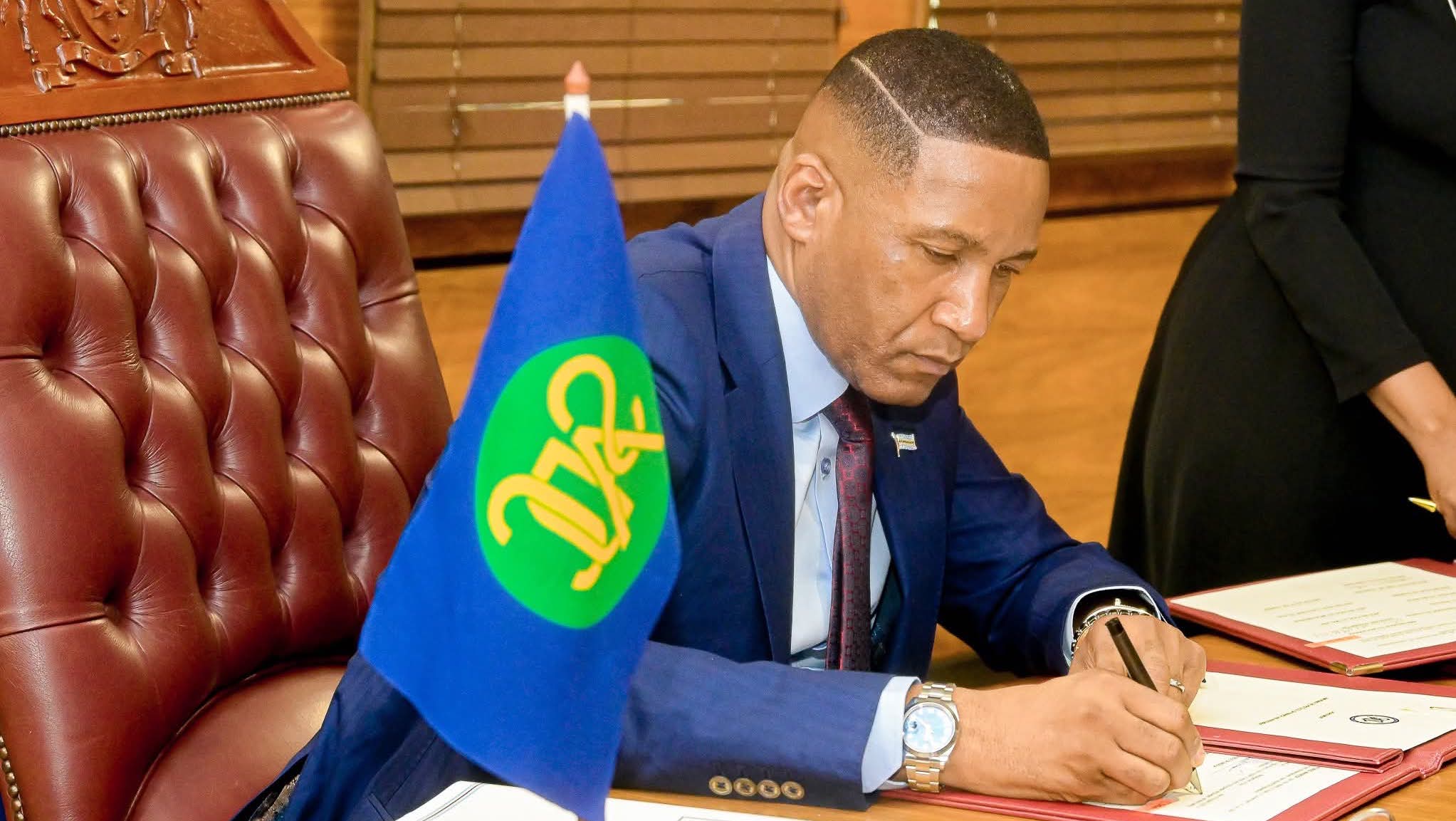
Botswana has once again demonstrated its commitment to regional progress and stability. President Advocate Duma Gideon Boko has signed two pivotal Southern African Development Community (SADC) agreements; the Agreement on the Operationalisation of the SADC Regional Development Fund (RDF) and the Agreement Amending the SADC Protocol on Finance and Investment.
This move is more than a ceremonial gesture. It is a strategic decision that speaks directly to the needs of Southern Africa: stronger integration, shared prosperity, and resilience against financial crime.
The RDF, first introduced in 2016, was designed to mobilise resources for infrastructure, industrialisation, and socio-economic transformation. Yet, progress has been slow, with only Angola, Zambia, and Zimbabwe ratifying it before Botswana’s recent signing. By becoming the fourth country to ratify, Botswana has injected new momentum into the fund’s operationalisation.
Africa faces an annual infrastructure financing gap of over US$100 billion, with SADC accounting for nearly a quarter of that shortfall. Roads, energy grids, water systems, and digital networks remain underdeveloped, limiting trade and growth. The RDF is intended to pool resources, attract investment, and finance transformative projects that individual countries cannot manage alone.
This is not just about numbers—it is about people. Farmers who need reliable transport routes to markets, young entrepreneurs who require digital connectivity, and communities that depend on clean water and electricity will all benefit from the projects financed through the RDF.
The second agreement amends the SADC Protocol on Finance and Investment, aligning regional financial policies with global standards. It introduces measures to counter terrorism financing and proliferation financing, in line with Financial Action Task Force (FATF) recommendations.
For ordinary citizens, this means safer financial systems, reduced risk of illicit flows undermining economies, and greater investor confidence. For governments, it ensures harmonised policies that prevent destabilising divergences and strengthen collective resilience.
Botswana’s progress in enhancing its Anti-Money Laundering and Countering the Financing of Terrorism (AML/CFT) framework has already been recognised by the Eastern and Southern Africa Anti-Money Laundering Group (ESAAMLG) and FATF. By embedding these standards into SADC’s collective framework, Botswana is helping to safeguard the region against financial threats that cross borders.
SADC Executive Secretary H.E. Elias M. Magosi praised Botswana’s leadership, noting that these agreements represent a decisive step toward mobilising resources, harmonising financial policies, and combating illicit financial flows.
The next phase will involve building governance structures, mobilising seed capital from Member States and development partners, and preparing a pipeline of bankable projects in collaboration with the African Development Bank.