Aid, Pride, and Perception: What Zimbabwe’s Gift to Botswana Reveals About Regional Attitudes


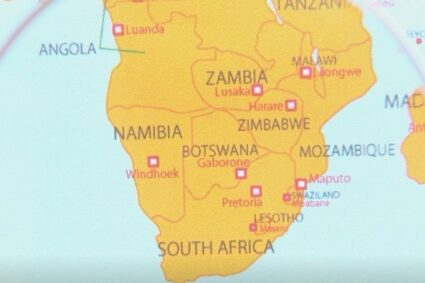
OPINION: Recently, a small act of regional solidarity has sparked a surprisingly large debate. Zimbabwe donated a shipment of antiretroviral drugs to Botswana, a gesture aimed at supporting public health in the region. Yet, rather than gratitude, some reactions in Botswana suggested disbelief and even condescension, implying that a country “struggling” like Zimbabwe shouldn’t be in a position to help. This response raises deeper questions about how African countries perceive each other and how regional cooperation is often viewed.
Zimbabwe’s pharmaceutical sector is robust, with companies like Varichem and Caps producing essential medicines that not only serve local needs but also reach neighboring countries. Botswana, by contrast, relies heavily on diamond mining and imports much of its manufactured goods. Yet, when aid comes from a fellow African nation, the assumption seems to be that something is amiss. Why is support from a regional neighbor met with skepticism, while aid from Western countries is often accepted without question?
This attitude reflects more than just surprise, it hints at a subtle hierarchy in how African nations view each other. There is a persistent idea that some countries are “advanced” while others are “backward,” regardless of the actual expertise or infrastructure present. South Africa has long been seen as a regional powerhouse, and now Botswana appears to be following a similar mindset one that overlooks the practical capabilities of its neighbors. Such perceptions can undermine the spirit of regional integration, cooperation, and mutual assistance that Africa desperately needs.
African countries are interconnected, and challenges like public health, climate change, and economic development require collaboration. Dismissing help from a neighbor not only discourages solidarity but also reinforces stereotypes that pit countries against one another instead of building shared strength. If regional integration is to succeed, it must start with a recognition that capacity, innovation, and generosity exist everywhere even in places historically written off as “struggling.”
Zimbabwe’s act of sending ARVs should be celebrated, not questioned. It is a reminder that the continent has the expertise, resources, and willingness to support itself if only we shed old prejudices and view each other not as competitors, but as partners.