African cinema shone at Locarno as filmmakers claimed international spotlight

Tapiwa Rubaya is the current affairs, fashion and sports reporter at My Afrika Magazine.
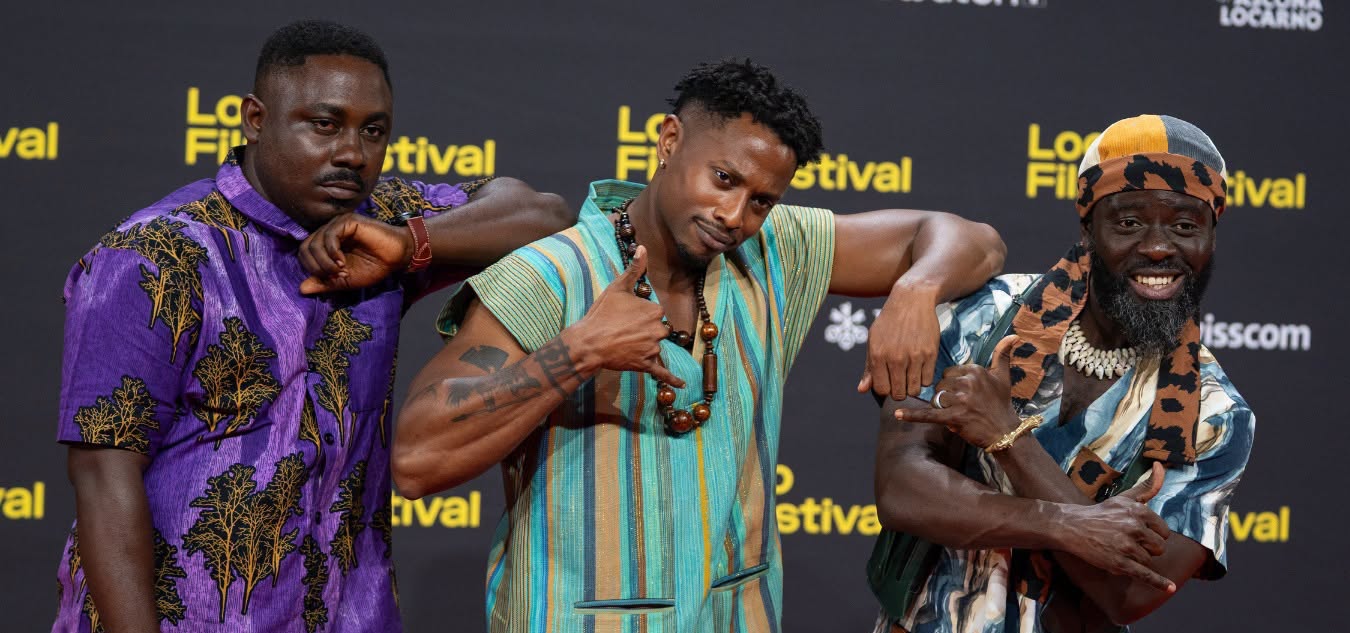
African cinema left a strong impression at the Locarno Film Festival in Switzerland, where a new generation of filmmakers used the international platform to present stories shaped by the continent’s history, identity, culture and changing societies.
The 2026 edition of the festival’s Open Doors programme concluded on 10 August after bringing together filmmakers and producers from across Africa, creating opportunities for African projects to connect with international producers, financiers and film industry professionals.
The programme formed part of Locarno’s wider four-year focus on Africa, covering 42 African countries and placing emerging African filmmaking talent at the centre of its industry activities.
One of the major success stories came from Uganda, where filmmaker Talemwa Pius received a top Open Doors award for A Vineyard for A Lobster.
The project explored the legacy of colonialism through an allegorical story, demonstrating how African filmmakers continued to find creative ways of confronting difficult histories.
Somalia also made its presence felt through filmmaker Mohammed Sheikh, whose project Accept My Plea for Burial received one of the programme’s leading awards.
Tanzanian filmmaker Neema Ngelime enjoyed another notable success with The Ones with the Tempered Flowers, a Tanzania-Kenya co-production that collected both the ARTEKino International Award and the Sørfond Award.
The film explored themes of womanhood and motherhood, adding another deeply personal voice to the collection of African stories presented at the festival.
Ghana was represented through Aseye Fiagbe’s documentary project Too Much Music, which focused on legendary Ghanaian keyboard player Kiki Gyan, who joined the internationally recognised African band Osibisa as a teenager.
Nigeria’s contribution came through Ugochukwu Azuya’s I Live in V.I., a social satire examining the changing face of Lagos and the impact of gentrification.
Mozambique was represented by Ique Langa’s Chapa 100, a surrealist love story that further demonstrated the range of storytelling coming from the continent.
The diversity of projects became one of the defining features of the African presence at Locarno.
The filmmakers did not present one version of Africa. Instead, they brought stories about history, love, motherhood, music, migration, identity, urbanisation, colonialism and social change.
For many African filmmakers, platforms such as Open Doors have been important because they have provided access to international networks that can be difficult to reach from within the continent.
The programme connected filmmakers with producers, financiers and other industry professionals while giving African projects an opportunity to be viewed within an international film environment.
Zimbabwe also had a presence at the programme through producer Tapiwa Chipfupa, who participated in Open Doors 2026 alongside other African producers.
His participation placed Zimbabwe within a wider continental conversation about the future of African filmmaking and the need for stronger international partnerships.
The Locarno therefore represented more than the end of another film festival.
It highlighted the growing determination of African filmmakers to tell their own stories and take those stories to audiences beyond the continent.
From Uganda and Somalia to Ghana, Nigeria, Tanzania, Mozambique and Zimbabwe, the filmmakers who participated demonstrated that African cinema continued to evolve beyond traditional narratives.
Their projects showed a continent telling stories from its own perspective — stories that were personal, political, imaginative and deeply connected to African realities.
Locarno may have closed its doors for another year, but the conversations, partnerships and opportunities created through the festival could continue to shape the next generation of African cinema.
The 2026 edition of the festival’s Open Doors programme concluded on 10 August after bringing together filmmakers and producers from across Africa, creating opportunities for African projects to connect with international producers, financiers and film industry professionals.
The programme formed part of Locarno’s wider four-year focus on Africa, covering 42 African countries and placing emerging African filmmaking talent at the centre of its industry activities.
One of the major success stories came from Uganda, where filmmaker Talemwa Pius received a top Open Doors award for A Vineyard for A Lobster.
The project explored the legacy of colonialism through an allegorical story, demonstrating how African filmmakers continued to find creative ways of confronting difficult histories.
Somalia also made its presence felt through filmmaker Mohammed Sheikh, whose project Accept My Plea for Burial received one of the programme’s leading awards.
Tanzanian filmmaker Neema Ngelime enjoyed another notable success with The Ones with the Tempered Flowers, a Tanzania-Kenya co-production that collected both the ARTEKino International Award and the Sørfond Award.
The film explored themes of womanhood and motherhood, adding another deeply personal voice to the collection of African stories presented at the festival.
Ghana was represented through Aseye Fiagbe’s documentary project Too Much Music, which focused on legendary Ghanaian keyboard player Kiki Gyan, who joined the internationally recognised African band Osibisa as a teenager.
Nigeria’s contribution came through Ugochukwu Azuya’s I Live in V.I., a social satire examining the changing face of Lagos and the impact of gentrification.
Mozambique was represented by Ique Langa’s Chapa 100, a surrealist love story that further demonstrated the range of storytelling coming from the continent.
The diversity of projects became one of the defining features of the African presence at Locarno.
The filmmakers did not present one version of Africa. Instead, they brought stories about history, love, motherhood, music, migration, identity, urbanisation, colonialism and social change.
For many African filmmakers, platforms such as Open Doors have been important because they have provided access to international networks that can be difficult to reach from within the continent.
The programme connected filmmakers with producers, financiers and other industry professionals while giving African projects an opportunity to be viewed within an international film environment.
Zimbabwe also had a presence at the programme through producer Tapiwa Chipfupa, who participated in Open Doors 2026 alongside other African producers.
His participation placed Zimbabwe within a wider continental conversation about the future of African filmmaking and the need for stronger international partnerships.
The Locarno therefore represented more than the end of another film festival.
It highlighted the growing determination of African filmmakers to tell their own stories and take those stories to audiences beyond the continent.
From Uganda and Somalia to Ghana, Nigeria, Tanzania, Mozambique and Zimbabwe, the filmmakers who participated demonstrated that African cinema continued to evolve beyond traditional narratives.
Their projects showed a continent telling stories from its own perspective — stories that were personal, political, imaginative and deeply connected to African realities.
Locarno may have closed its doors for another year, but the conversations, partnerships and opportunities created through the festival could continue to shape the next generation of African cinema.