Cancer and Kidney Failure on the Rise in Africa

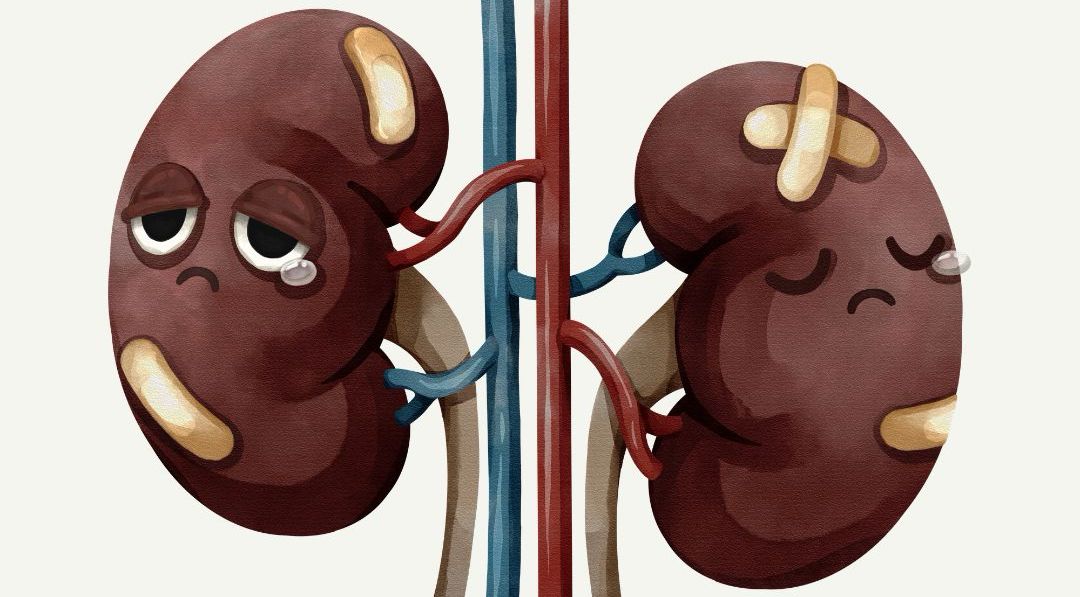
Cancer and kidney failure are becoming major health concerns in many African communities these days.
More families are affected by these diseases, raising questions about whether our food, environment and lifestyles are contributing to the problem.
According to the World Health Organisation (WHO)- Cancer Fact Sheet (2026), it identifies unhealthy diets, obesity (high body weight), alcohol consumption and physical inactivity as risk factors for cancer. It also explains that maintaining a healthy weight, eating a balanced diet and limiting alcohol can help reduce cancer risk.
Kidney disease is another growing challenge. The kidneys remove waste from the blood and help control the body’s fluids. The National Institute of Diabetes and Digestive and Kidney Diseases states that diabetes and high blood pressure are the two most common causes of chronic kidney disease in adults. High blood sugar damages the kidneys’ tiny filters, while high blood pressure damages the blood vessels that help the kidneys function.
The experiences of public figures such as the Zimbabwean politician Thokozani Khupe, who survived breast cancer, and South African, Zoleka Mandela, who died following a battle with cancer, remind us that these diseases can affect anyone. It is also essential to get early diagnosis and proper treatment.
There are practical steps individuals and families can take to reduce their risk of developing serious illnesses. According to WHO, people can lower their risk of certain cancers by eating a healthy diet, maintaining a healthy weight, exercising regularly, avoiding tobacco and limiting alcohol consumption. The WHO also recommends reducing salt intake to help prevent high blood pressure, which can lead to kidney disease. Regular blood pressure and blood sugar checks are equally important because conditions such as hypertension and diabetes can damage the kidneys without showing obvious symptoms in their early stages. People should also seek medical attention when they notice unusual changes in their health, as early diagnosis can improve treatment outcomes.
India has also become a popular destination for patients seeking treatment for serious illnesses, including cancer and kidney disease. According to India’s Ministry of Tourism, more than 644,000 foreign visitors travelled to the country for medical treatment in 2024. India offers specialised cancer treatment, dialysis services and kidney transplantation through its network of hospitals and medical specialists. Its relatively affordable treatment costs, advanced medical facilities and experienced doctors have made it an attractive option for patients from African countries, including those who may struggle to access specialised treatment at home.
Recently, one story that particularly touched my heart is that of 14-year-old Zimbabwean girl Shalom Onoja, whose courage and battle against cancer remind us that behind every cancer statistic is a real person with dreams, hopes and a family that loves them. Shalom was diagnosed with a rare form of bone cancer in August 2024, which eventually spread to her lungs. Despite undergoing treatment, including an operation in South Africa that resulted in the amputation of her leg, she sadly lost her battle with the disease in October 2026.
What makes her story especially heartbreaking is that she left behind letters expressing gratitude to the nurses and well-wishers who supported her, as well as her wishes for her final farewell. Her story is a painful reminder that cancer does not only affect older people; children and young people can also face this devastating illness. It also highlights the emotional, physical and financial struggles families experience when trying to access specialised cancer treatment. Shalom’s story should encourage greater awareness of childhood cancer, earlier diagnosis, improved treatment facilities and stronger support for families facing this difficult journey.
On another note, while issues of kidney failure often bring sadness, there are also people who survive after having surgeries. One such story is that of six-year-old Zimbabwean boy Seth Mukomazi, who recently returned home after a successful kidney surgery in India. Seth was born with a rare condition called posterior urethral valves, which affected his ability to pass urine and gradually caused severe kidney damage. His condition eventually progressed to Stage 5 chronic kidney disease, requiring a kidney transplant. In a remarkable show of community support, Zimbabweans came together through a fundraising campaign organised with the help of ZBC Radio Zimbabwe, raising more than US$23,700 towards his treatment. After spending six months in India with his mother, Seth returned to Zimbabwe on 20 October 2026 following his surgery. His story is also a powerful reminder that kidney failure does not always mean the end of hope. It also highlights the importance of access to specialised treatment, early medical intervention and community support for families facing serious illnesses.
Cancer and kidney failure are no longer distant health concerns; they are affecting families and communities across Africa. We must take prevention seriously, encourage each other regular health checks, seek medical attention early and demand better access to affordable treatment. Above all, we must replace fear and silence with awareness, education and action.
Because while not every illness can be prevented, early detection, proper treatment and collective support can make a life-saving difference.