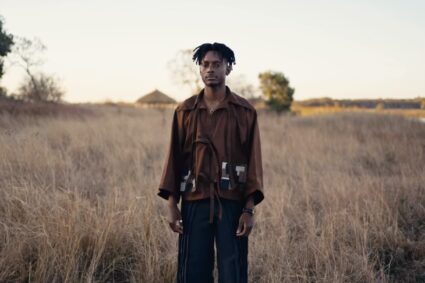
Restoring Dignity and Healing: Inside Mandela House’s Transformative Work with African Men in Alberta


Exclusive Interview By Nico Abote (NA): In Alberta, Canada, an unprecedented initiative is changing how communities understand and respond to domestic violence, particularly among men of African descent. In my recent visit to the Mandela House, an arm of Ruth’s House Society, stands as a first-of-its-kind shelter rooted in Calgary, and a healing space dedicated to supporting male survivors of family abuse through Afrocentric, trauma-informed, and culturally responsive care.
Amid rising awareness about gender-based violence, Mandela House is challenging deep-rooted stigmas and silence within African communities by centering dignity, belonging, and cultural identity in its approach. Here, men are not only offered shelter, but also emotional healing, community connection, and the opportunity to rebuild their lives with purpose and pride. Their ‘7PM’ meetings are some of the key elements that drive the self-healing journeys of most that find themselves at Mandela House, a non-judgmental safe space to share the inner dwellings of one’s troubles. The main aim, and in its unique approach, to allow others to heal through shared stories.

“Sometime last year, we conducted research on the prevalence of domestic violence within our community. Through focus groups involving community and religious leaders, we identified a clear need for a shelter dedicated to men. Many men lack the resources and safe spaces needed to support them. Often, men remain silent even when they are suffering; they feel it is unnecessary or unmanly to speak out. The focus group emphasized that men require resources and spaces where they can find mutual support.” said Michael Odinigwe, Men’s Caseworker at Mandela House.
“In many domestic issues, when conflict arises, it is the man who is asked to leave the home, even when he may not be at fault, because of children or other family considerations. The community recognized the need for a space where men could find support and temporary shelter.” he added
In this exclusive conversation, Dee Adekugbe (DA), Executive Director of Ruth’s House Society, shares more on how Mandela House is reshaping narratives around domestic violence, masculinity, and mental health, one man (story) at a time.
NA: Ruth’s House Society’s mission is ‘to support and empower individuals, families, and communities across Alberta to overcome family abuse by providing safe shelter, culturally responsive programs, advocacy, and holistic support.’ How does Mandela House operationalize this mission in its daily practices, particularly for men of African descent?
DA: Mandela House operationalizes Ruth’s House’s mission by centering culturally responsive, Afrocentric, trauma-informed, and solution-focused care in every aspect of our work with men of African descent. We provide not only safe shelter but also a healing environment that acknowledges the deep layers of trauma, stigma, shame and silence surrounding domestic violence in African communities. Our daily practice emphasizes dignity, respect, and empowerment, ensuring each man feels heard and valued as he rebuilds his life. Through one-on-one case management, group support sessions, culturally sensitive counselling, community resource referral and advocacy, we help our clients move from crisis to stability while restoring their sense of identity, belonging, and hope. We also collaborate with community leaders, faith groups, and service partners to ensure that our interventions are both culturally grounded and community-driven.
NA: What is the process for a client entering Mandela House (intake, assessment, living arrangements, support)? Can you describe an intake that exemplifies how this process works, and any challenges that might arise?
DA: When a client enters Mandela House, the process begins with an intake and safety assessment. We create a welcoming atmosphere from the first moment, offering warmth, privacy, consent and reassurance. During intake, we assess immediate safety needs, emotional well-being, and practical concerns such as housing status, family connections, immigration status, and financial situation. Each client is then assigned a private room and oriented to the house, programs, and expectations. Within the first 48 hours, I complete a comprehensive assessment to identify trauma history, strengths, goals, and support needs, followed by an individualized care plan. One memorable intake involved a father of two who came to us after being emotionally and physically abused by his partner. He initially struggled to accept help, fearing judgment from his community. By integrating trauma-informed approaches, active listening, emotional validation, and respect for his privacy, we slowly gained his trust. The main challenge in intakes like this is overcoming stigma and shame; many men find it difficult to identify as victims of domestic violence. Patience, empathy, cultural sensitivity, and consistent support are key in helping them open up and engage in the healing process.
NA: Mandela House offers meals, programs, and support “responsive” to African cultural backgrounds. Can you share how cultural identity, language, food practices, or faith are integrated into the shelter’s care to make clients feel truly understood and safe?
DA: Culture is at the heart of Mandela House’s care model. Our programs are intentionally designed to reflect and celebrate African heritage. We integrate cultural identity through African-inspired meals, traditional music, and storytelling sessions that promote brotherhood and healing. Clients can prepare or suggest foods from their countries, such as jollof rice, injera, or egusi soup, creating a sense of familiarity and belonging. We also respect language diversity by using interpreters or multilingual staff when needed, and by communicating in ways that feel natural and respectful to each man’s background. Faith plays an important role in many clients’ recovery, so we accommodate them praying and connect clients with faith leaders who understand trauma and healing from a culturally informed lens. This approach not only makes clients feel safe and understood but also restores cultural pride and identity, which are often eroded by abuse.
NA: Mandela House provides both short-term emergency shelter and longer stays depending on individual needs. How do you decide on the length of stay for each individual? What supports are in place to help clients transition out of shelter and toward stable housing or independence?
DA: The length of stay at Mandela House begins with a 30-day emergency shelter period, during which clients receive full support at no cost. After this initial phase, clients who wish to continue their healing and rebuilding journey may transition into our three-month transitional housing program, where they contribute a subsidized fee of $500 per month. However, the overall duration of stay is always determined by each individual’s situation and progress toward safety, stability, and independence. Some clients require short-term emergency shelter to escape immediate danger, while others need longer stays to rebuild their lives, secure employment, or address trauma. We regularly review each client’s goals and support plans to ensure the stay remains purposeful and empowering. Transition support begins early. Through case management, we help clients apply for housing, access financial assistance, find employment, connect with counseling, legal and community supports. Our goal is not just to move men out of the shelter but to ensure they transition into sustainable, violence-free lives. We support clients in securing community housing, and we provide essential furniture and household items to help them settle comfortably. Through our partnership network, we also make referrals to agencies that can assist with housing deposits or down payments. We often follow up after they exit shelter to maintain continuity and offer emotional support, reducing the likelihood of re-entering crisis situations, until they indicate they no longer require our services.


NA: Given the role of trauma, mental health, and domestic abuse in your clients’ lives, how does Mandela House address mental health and healing beyond just providing shelter?
DA: Mandela House recognizes that domestic abuse deeply impacts mental health. Beyond providing shelter, we create a trauma-informed environment where healing is prioritized. Our approach integrates emotional support, individual counseling, peer support groups, and referrals to culturally aware mental health professionals. We use Trauma-Informed Care and Solution-Focused Therapy principles to help clients identify their strengths and visualize a positive future, while Afrocentric principles restore dignity and connection to community and ancestry. We also facilitate workshops on emotional regulation, fatherhood, and healthy relationships, giving men tools to process trauma and develop healthier coping strategies. Healing circles and mindfulness sessions are often led by African therapists or community elders who understand both the pain and resilience of our shared cultural experiences.
NA: What are some of the biggest challenges that Mandela House faces today, whether in funding, staffing, community support, or client capacity? Are there gaps in service or resources that the organization is working to fill?
DA: One of the biggest challenges Mandela House faces is limited funding and resources for male survivors of domestic violence, particularly in culturally specific settings. The need far exceeds our capacity, and stigma within the community often prevents men from seeking help early. Staffing can also be challenging, as culturally competent and trauma-informed male support workers are few. Additionally, there remains a gap in transitional housing options for men leaving shelters. Despite these challenges, we continue to build partnerships with other agencies, advocate for more inclusive policies, and raise awareness that men are human beings and can be victims too and deserve compassion and support. Our mission is to break the silence and create sustainable systems of healing for African men and their families.
NA: Could you share some of the most meaningful success stories or outcomes that illustrate Mandela House’s impact? And how are those stories used to improve services or build community awareness? DA: One of our most meaningful success stories involves a client who came to Mandela House after being isolated, emotionally broken, and at risk of homelessness following years of domestic abuse. Through counseling, peer support, and housing advocacy, he regained stability, reconnected with his children, and began volunteering as a peer mentor for other men. His transformation from silent suffering to empowered advocacy, embodies the spirit of Mandela House.
Another male client moved into Mandela House following a domestic dispute with his spouse that nearly escalated into violence. In response to their call for help, a staff member recommended a temporary stay at Mandela House to help de-escalate the situation, a decision both partners agreed to. Upon his arrival, the client actively participated in several of our programs, including The Brotherhood Conversations, individual counselling therapy sessions, and Legal Learn & Lunch, among others. Through these supports, he engaged in deep self-reflection and gained valuable insights about accountability, emotional regulation, and positive relationship building. After one of the Brotherhood sessions, he reached out to share that he was ready to reconnect with his wife and children. He expressed a renewed commitment to becoming a better father and a supportive partner. He also shared that hearing the experiences of others in the program helped him realize he was not alone and that Mandela House is a non-judgmental space for growth and healing. Today, he continues to advocate for others in similar situations, encouraging them to reach out to Mandela House for the support and transformation they need.
We also have a story from Crisis to Stability through Mandela House Support. After losing everything and facing significant challenges as a victim, a male client relocated from Edmonton to Calgary in search of help. Through a friend’s recommendation, he was referred to Mandela House, where he began his journey toward rebuilding his life. Upon arrival, he actively engaged in several of our key programs, including career coaching, individual counselling, and the Brotherhood conversations. Through these supports, he developed greater self-awareness, emotional stability, and confidence in his ability to rebuild his future. As a result of his dedication and the support received, he successfully secured two jobs one through our partnering company and another independent employer.
He now reports being mentally stable and focused. In his own words, “Since moving from the mainstream shelter to Mandela House, my sanity has been restored. I can think clearly and organize myself again.” Today, he continues to thrive both professionally and personally, standing as a testament to the transformative impact of Mandela House programs and holistic support. Stories like his are used to inform our programs, guide staff training, and inspire community engagement. We share these stories (with consent) in awareness campaigns, partnership meetings, and advocacy platforms to challenge stereotypes, promote healing, and highlight the resilience of African men who have survived family violence. These narratives are powerful tools for both community education and systemic change.
Many African men are raised to believe they must not cry or show emotion, and that being hurt by a partner diminishes their masculinity. The Mandela House initiative works to challenge these beliefs by promoting healing, accountability, and self-awareness. It is my hope that we find more ways to help our growing men into more responsible fathers, leaders and elders in our communities. If you need more information about Dee Adekugbe’s work, visit: https://www.ruthshouse.ca/
About Nico Abote:
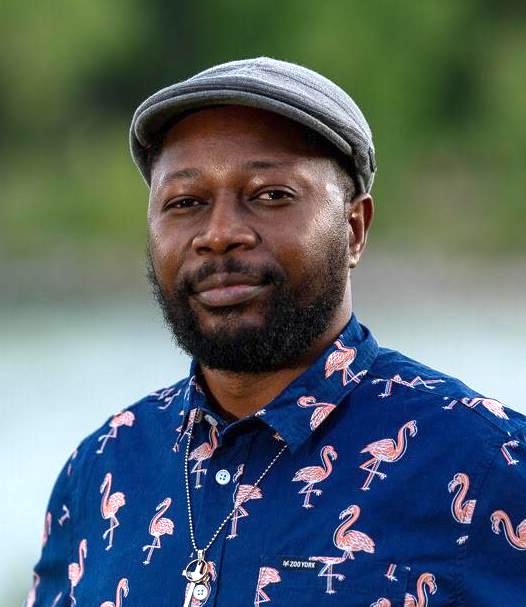
Nico is an award winning filmmaker, media professional, creative strategist, lead consultant at Abote Media and co-founder of 263 Africa Media. With over 20 years of experience spanning Africa and North America, he specializes in digital storytelling, content strategy, and film production.
Nico currently serves on several boards including LOUD Art Society (Calgary, CA), TEF (Nigeria), Chengeto Africa (Southern Africa), Blackstar Int. Film Festival (Ghana), Zimbabwe Fashion Week, and Hunhu Council of Fashion (Zimbabwe). He advocates for positive & uplifting narratives through media and the arts.