OPINION: Brazil Plane Crash Exposes South Africa’s Double Standards on Drug Trafficking

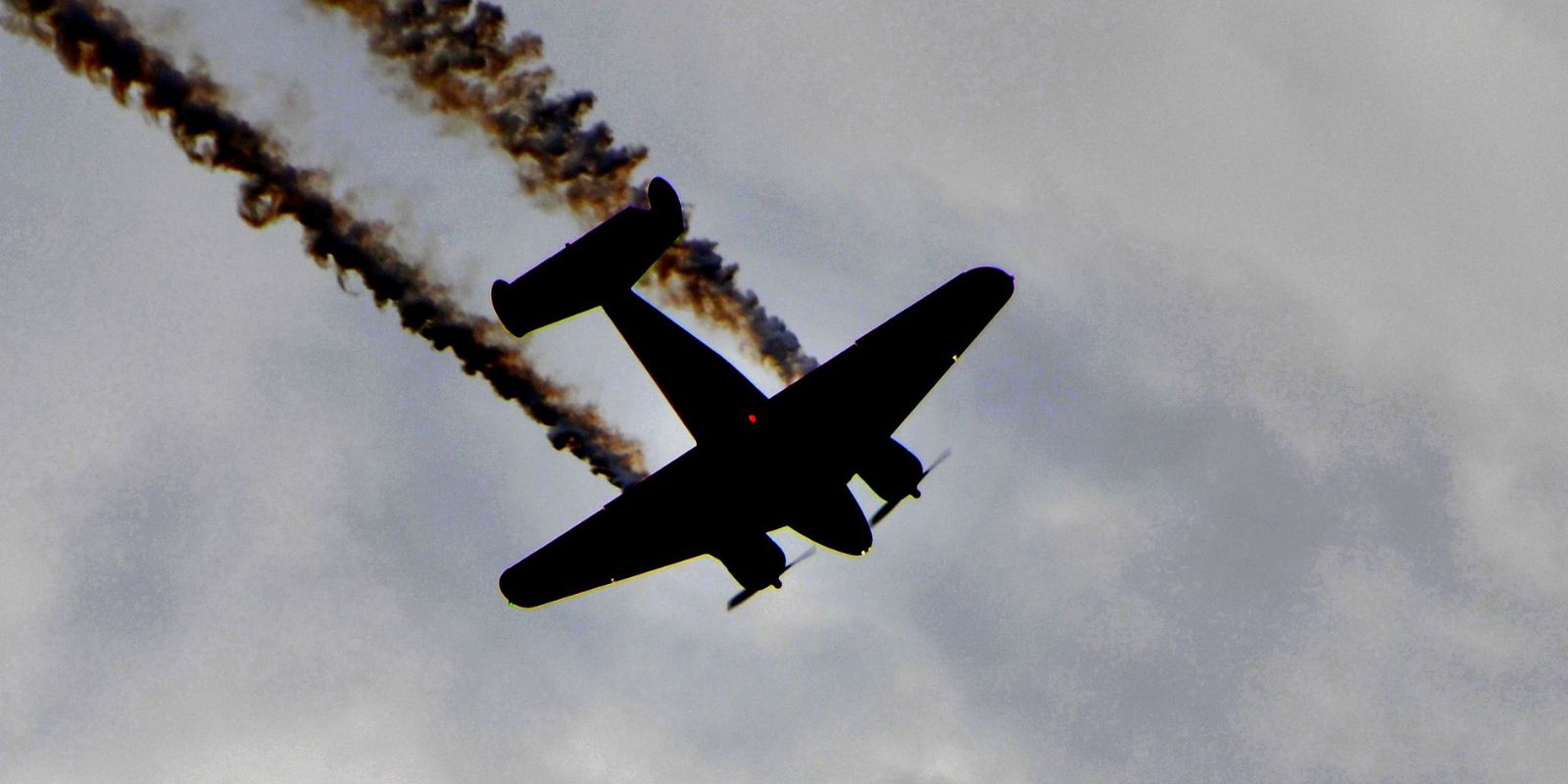
On 21 September 2025, a light aircraft crashed in Brazil’s Alagoas state, killing the pilot, Timothy James Clark, and leading authorities to discover nearly 200 kilograms of cocaine on board. International reports confirmed the plane was registered in Zambia, though social media claims suggested it carried false South African tags. A viral post by Capetown_Bru described Clark as a Stellenbosch pilot and valued the cocaine at almost R1 billion, figures that spread rapidly despite little verification.
What stands out is not only the crash itself but the stark difference in public reaction depending on who is implicated. When Nigerians or Zimbabweans are accused of drug trafficking, outrage is immediate, fuelled by stereotypes and amplified by groups like Operation Dudula. Yet in this case, where a white foreign pilot was found with a massive cocaine haul, the public conversation has been largely muted.
This silence exposes deep racial blind spots, a reluctance to confront the reality that drug trafficking is a global trade involving actors of all races and nationalities. It reflects a double standard in which whiteness is still treated as respectable and above suspicion, while black foreigners are cast as the face of criminality. It also illustrates how misinformation, whether about nationality, registration tags, or inflated values, spreads more easily when it reinforces existing prejudices.
The Brazil crash should serve as a reminder: crime is not confined to the usual scapegoats, and selective outrage only deepens the inequalities South Africans claim to resist.