New Prime Minister Takes Office in Equatorial Guinea

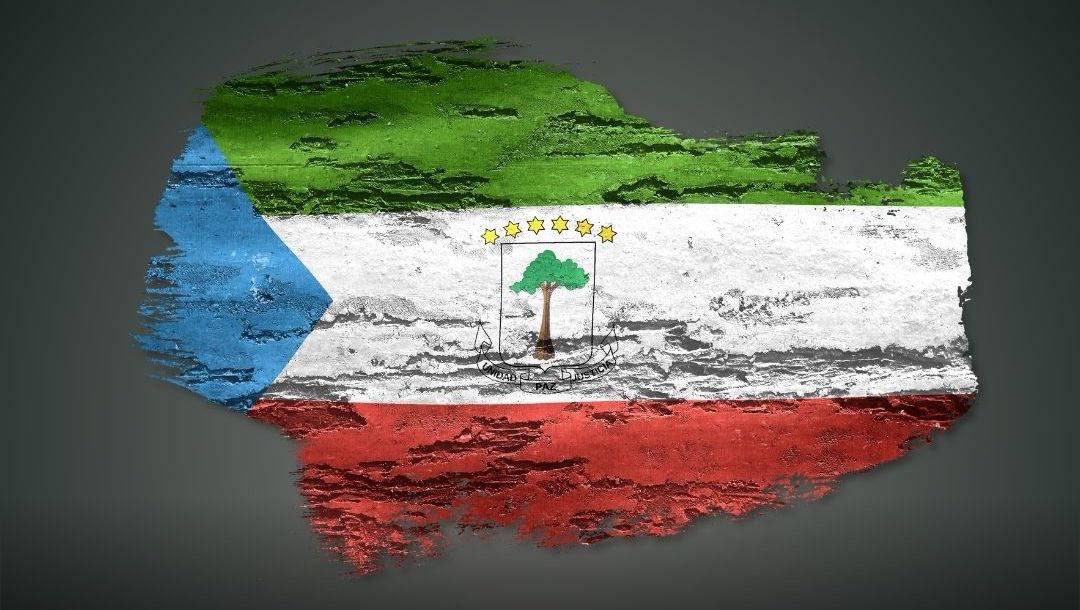
Equatorial Guinea has entered a new political chapter after President Teodoro Obiang Nguema Mbasogo appointed a new prime minister just days after dismissing the cabinet for failing to meet government targets.
The move follows an internal review that reportedly found the government had achieved only around 10 percent of its objectives, prompting a sweeping shake-up aimed at improving performance and restoring confidence in public administration.
The president has reappointed Prime Minister Manuel Osa Nsue Nsua to lead the formation of a new government, signaling a desire for continuity while also demanding stronger results from ministers and public institutions. The previous administration had faced criticism over delays in development projects, corruption concerns, and the slow pace of economic diversification in a country that remains heavily dependent on oil revenues.
For many citizens, the reshuffle raises hopes that the government will accelerate long-promised reforms. If the new administration succeeds in improving public services, attracting investment and reducing bureaucratic inefficiencies, it could help strengthen economic growth and create new opportunities beyond the oil sector.
The decision may also increase pressure on public officials to deliver measurable results, particularly at a time when governments across Africa are facing growing demands for accountability and effective governance.
However, analysts caution that the impact of the changes will depend on whether the new cabinet is given the authority and resources needed to implement reforms. While the appointment demonstrates the president’s willingness to hold officials accountable for poor performance, meaningful progress will ultimately be judged by improvements in the daily lives of Equatorial Guineans.
With a new government expected to take shape in the coming days, attention will now turn to whether this political reset can translate into tangible economic and social gains for the country.