Libya’s NOC to Convene Joint U.S. Energy Forum to Stimulate Oil and Gas Investment

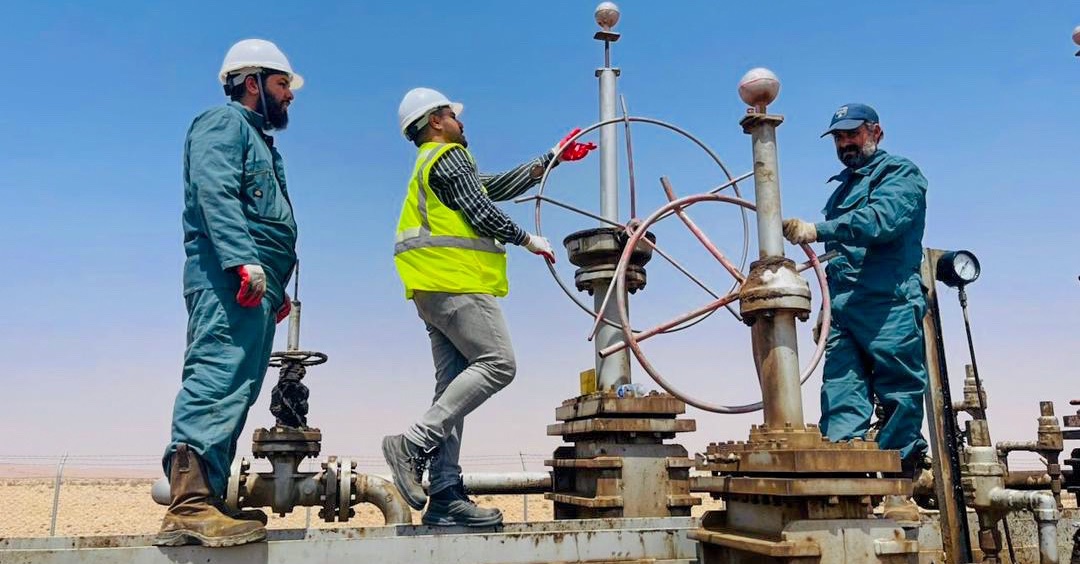
Libya’s National Oil Corporation (NOC) has announced plans to host a Libyan–United States energy forum designed to strengthen investment and foster long-term partnerships in the country’s oil and natural gas sector. While the date for the gathering has yet to be finalised, the initiative will be undertaken in collaboration with the U.S.-based firm Freedom First and is expected to attract senior representatives from American energy companies, Libyan investors, and government officials.
As one of Africa’s largest oil producers, Libya occupies a critical position within global energy markets. However, its hydrocarbon output has faced repeated interruptions since 2014, following a protracted period of political fragmentation and institutional instability. The decade-long turbulence emerged after the NATO-backed uprising that removed Muammar Gaddafi in 2011, which left the state divided between competing administrations in the east and west. These divisions, combined with recurrent security crises, significantly curtailed foreign direct investment and operational capacity in the oil and gas sector.
In recent months, Libya’s NOC has sought to restore stability to the energy industry and re-engage international partners. Notably, the corporation signed a memorandum of understanding with ExxonMobil earlier this year, marking the U.S. major’s first formal commitment in Libya since suspending operations more than a decade ago due to escalating security concerns. The forthcoming energy forum signals a continuation of this trajectory, aiming to position Libya as a renewed and reliable player within African and global hydrocarbon markets.
For the broader continent, the developments in Libya underscore the persistent interplay between political reconciliation and economic revitalisation. Across Africa, oil and gas producers — from Nigeria to Angola — have grappled with challenges of governance, infrastructural underinvestment, and fluctuating commodity prices. Libya’s attempts to re-establish investor confidence thus resonate with a wider pan-African dynamic in which natural resource wealth continues to present both opportunities and vulnerabilities.
The participation of U.S. firms, alongside Libyan counterparts, reflects the growing recognition that the continent’s energy sector requires diversified partnerships. Beyond Western engagement, however, Libya and its neighbours have also deepened collaborations with actors from the Gulf, China, and Russia, demonstrating the multipolar reality of Africa’s energy diplomacy. Observers suggest that this upcoming forum may serve as an important testing ground for Libya’s capacity to assure investors of a stable operating environment while navigating its ongoing political transition.