Hidden Struggles: Rethinking Substance Culture in the Creative Industry

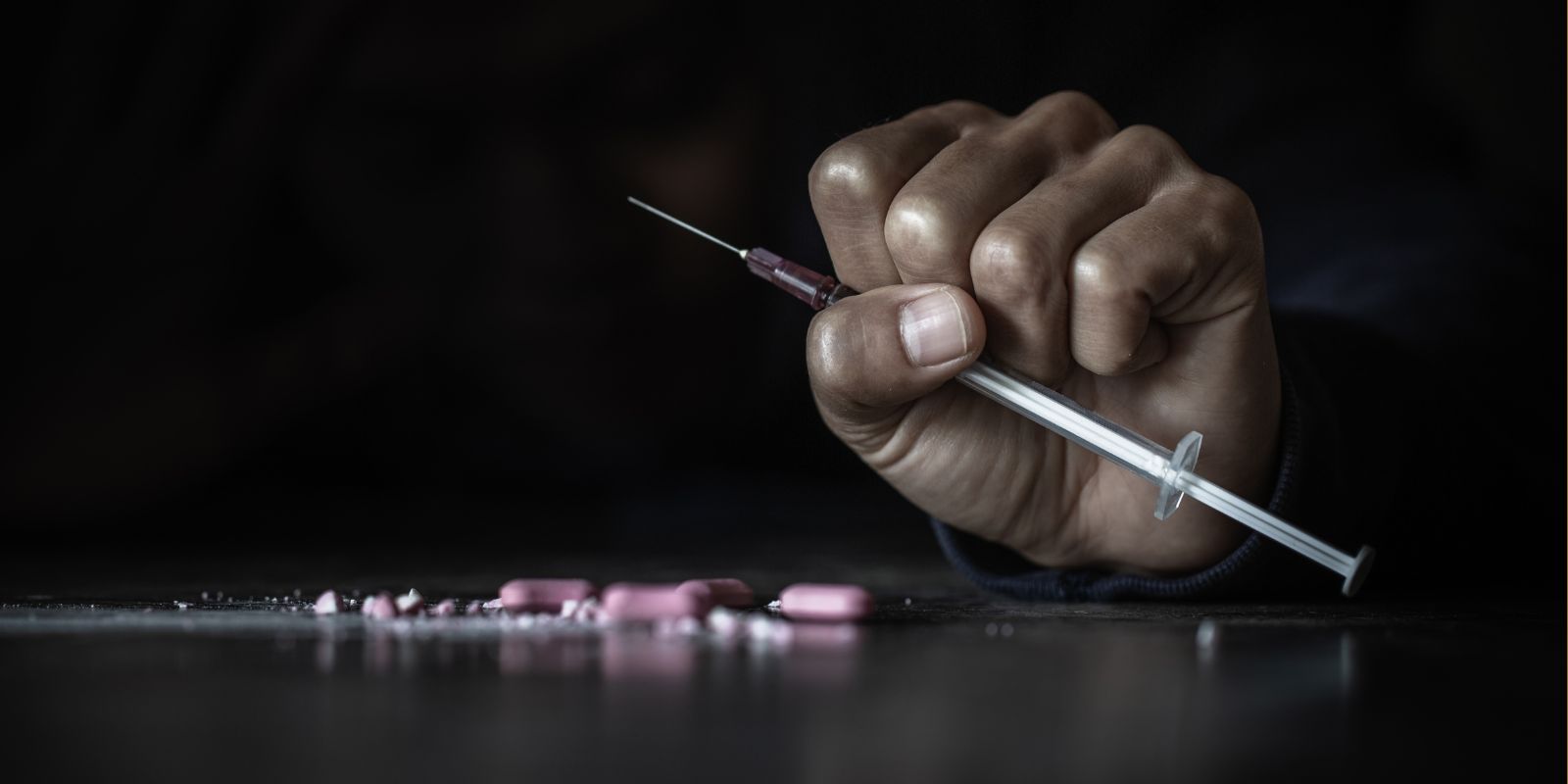
In the world of music, creativity and performance often come hand in hand with a lifestyle that can be as intoxicating as it is detrimental. I have walked into countless rehearsal rooms where alcoholic beverages are not just present—they’re a prerequisite. I’ve seen musicians insist on their drinks being delivered before they step on stage, as if the alcohol enhances their artistry. And let’s not even get started on the green rooms, which frequently reek of smoke, with the air thick enough to cut with a knife. After-parties, in many respects, are merely extensions of this environment. Smoke, drugs, half-dressed revellers, and an overwhelming abundance of intoxicating beverages can create an atmosphere of excess. Each to their own, I suppose. It’s a world where the lines between celebration and self-destruction blur, and where what should be uplifting becomes soul-sapping.
In the documentary ‘The Last Dance’, Michael Jordan, recounted a pivotal moment from his rookie year. He walked into a room filled with smoke, women, drugs, and alcohol. In that critical instant, he knew if he stepped into that haze, he would never emerge unchanged. With remarkable clarity, he chose to turn away. He opted for discipline over temptation, a decision that arguably played a crucial role in sculpting his illustrious career.
This choice resonates deeply, reminding us that for musicians and athletes alike, our bodies are not just instruments of our craft; they are our most valuable assets. The choices we make in how we care for our bodies directly impact the quality of work we produce. But as I watch brilliant individuals around me struggle against the seductive whispers of the industry, I feel a profound sense of worry, pain, and helplessness. The pressures of fame can drive even the most talented individuals toward a path of self-sabotage. We’ve normalized behaviours that are anything but normal—behaviours that are, in fact, seemingly designed to extinguish the very gifts that make these individuals exceptional. It seems an irony that the industry, which should celebrate artistry and excellence, often holds within its grasp the potential for destruction.
The toll of drug and substance abuse is insidious, often hidden behind a façade of glamour and success. Yet, for many, it leads to a downward spiral that eclipses talent and passion. What can easily begin as casual indulgence can quickly morph into dependency, trapping gifted artists in a cycle that strips them of their creativity and ultimately their health.
While I am no expert, I find it hard not to feel concerned. This issue transcends personal choices; it speaks to a cultural problem within the realms of the arts, which are a reflection of society. An environment that celebrates risk-taking in art and sports must also foster a culture of care, responsibility, and respect for one’s own body and mind.
On the other hand, I’ve also had the privilege of working in spaces where alcohol policies emphasize health and well-being. I’ve attended events that celebrate sober fun, showcasing that joy and connection can exist without the haze of substances. These environments enable creativity and camaraderie, encouraging creatives to shine in their truest form. I’ve witnessed inspiring leaders champion a zero-tolerance approach to intoxication at work, reinforcing that excellence doesn’t require excess. These experiences remind me that there are alternatives—that nurturing creativity and celebrating talent can be achieved in spaces that prioritize clarity and wellness. It’s a hopeful trajectory, offering a blueprint for a healthier culture within our industries, proving that we can indeed thrive without compromising our gifts.
In an industry where substance abuse is often seen merely as a byproduct of creativity, it’s time we acknowledged the harrowing impact it has on the very essence of art. We can change the narrative—offering support and creating spaces where talent thrives unclouded by smoke and intoxication. The gifts we possess deserve to be preserved, because at the end of the day, our true legacy is not just about the work we leave behind, but about the lives we lead along the way.


Well said. Often cultural and economic factors place artists in difficult situations where resorting to substance use is inevitable. It is often beyond their individual will power to drink or not to drink, to smoke or not to smoke. There is need for deeper conversations around how we think, feel and act in relation to the arts and to our artistes. Putting the artiste at the center – his and her humanity, wellbeing, education, mental health, economic stability, social and political status – challenges us to engage with our artistes differently than we are right now.