Digital Extractivism : Why Africa is the Prime Target for Climate Greenwashing

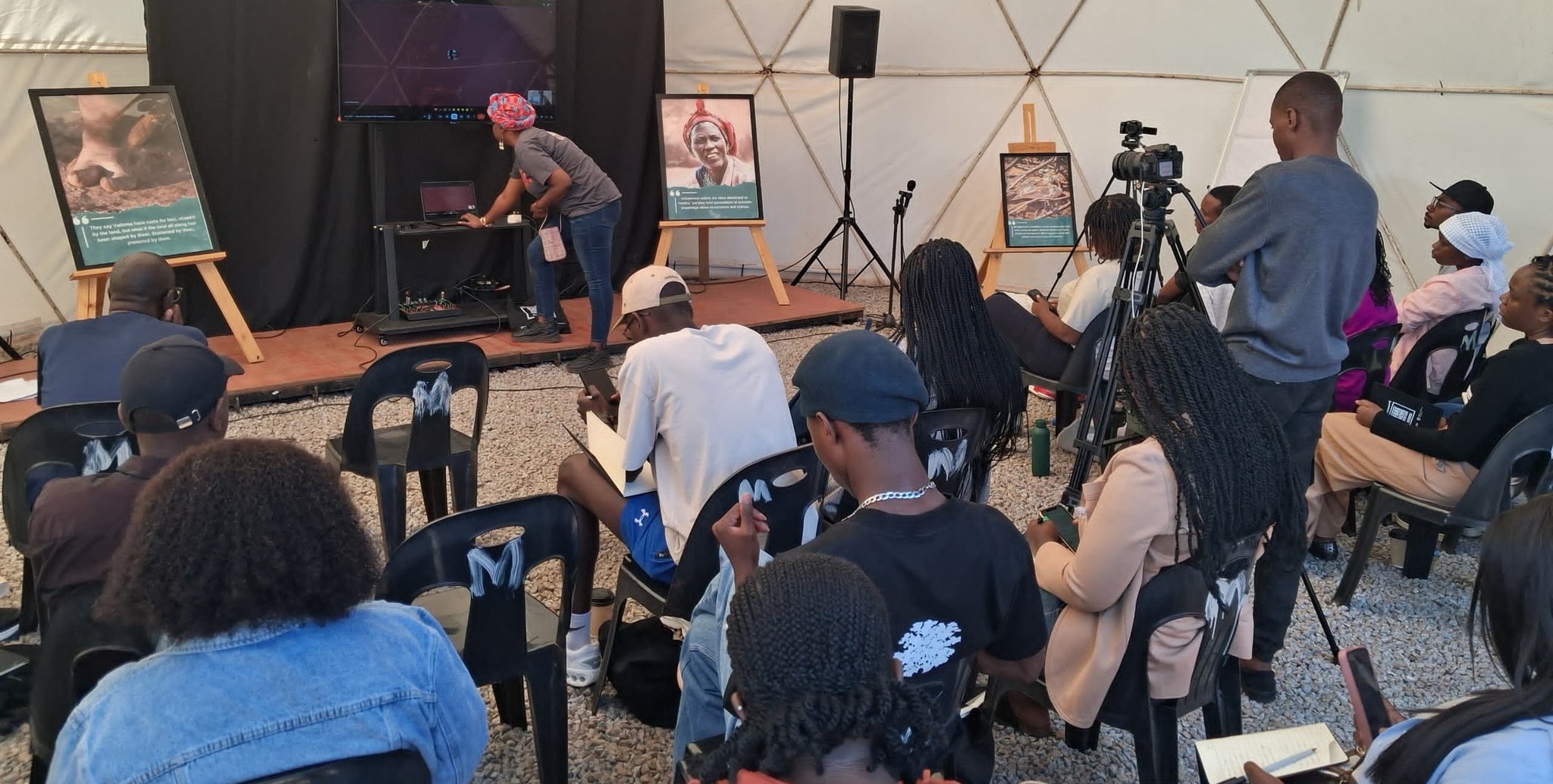
Last week, Magamba Network co-founder Samm Farai Monro launched the Ukweli Africa Climate Disinformation Toolkit at Moto Republik. During a bootcamp training session, journalists, students, activists, and content creators from across Zimbabwe gathered to dissect the anatomy of climate disinformation. As the climate crisis intensifies, Africa has become a preferred theater for these campaigns, driven by a perfect storm of systemic vulnerabilities: weak institutional frameworks, insufficient local-language moderation on social media, and highly opaque data practices.
At the core of this crisis is a tactic known as “greenwashing,” where fossil fuel companies and other polluters present themselves as part of the solution while simultaneously fueling environmental degradation. This is a form of “digital extractivism” mining public opinion just as traditional industries mine the earth.
These corporations often promote fossil gas as a “clean” or “low-carbon” bridge fuel, ignoring the reality of methane leaks and long-term carbon lock-in. We see massive advertising campaigns that highlight a company’s tiny, symbolic investment in renewables while hiding the fact that 99% of their operations remain tied to climate-destroying fossil fuels. Similarly, mining conglomerates often rebrand the destruction of ecosystems as a necessary sacrifice for “green minerals,” weaponizing the global energy transition to justify local displacement and ecological harm.
The Ukweli Africa toolkit emphasizes “prebunking” a proactive approach to disinformation. By explaining the tactics before they take hold, citizens become “vaccinated” against manipulation.
Prebunking Script for the Public: “When you see an ad from a fossil fuel company touting a ‘clean transition,’ be skeptical. Before you share it, ask: Is this company spending more on this ad than on clean energy? Are they using ‘clean’ labels to distract from their ongoing pollution? They are likely trying to manufacture a narrative that harms our local environment while making themselves look like heroes.”
When disinformation has already seeded, the toolkit provides a diagnostic framework for debunking. This involves more than just pointing out a lie; it requires exposing the actor’s intent.
How to Debunk Effectively:
- Follow the Money: Disinformation often hides the source. If a “local development NGO” is funded by foreign fossil fuel interests, that connection must be exposed.
- Verify Visuals: Use reverse image searches to check if the “pristine” landscapes shown in ads are actually stock photos from another continent.
- Analyze Language: Be wary of high-emotion, inflammatory rhetoric designed to bypass critical thinking. If an ad uses terms like “clean,” “ethical,” or “green” without offering transparent data, consider it a red flag.
The lack of transparency in digital advertising means citizens rarely know who is paying for the “sponsored content” in their feeds. This opacity allows foreign entities to exert undue influence over national climate policies without ever stepping foot on African soil.
The Ukweli Africa approach is not merely about identifying falsehoods; it is about reclaiming the narrative. It calls for a shift from being passive recipients of information to becoming active guardians of the truth. Effective debunking is a community endeavor it involves sharing verified facts, supporting local investigative journalism, and demanding that digital platforms be held accountable for the content they host and monetize.
In the face of the climate crisis, the information we consume is a form of currency. We must protect it with the same urgency we apply to our land and natural resources. The Ukweli Africa toolkit serves as a beacon, reminding us that while the “climate fake news playbook” may be well-funded, it is fundamentally fragile when met with a critical, informed, and united public. Together, we can ensure that the truth not corporate deception determines the future of our continent.