Can we say: Europe’s Integrated Economy Contrasts with Africa’s Untapped Synergy?

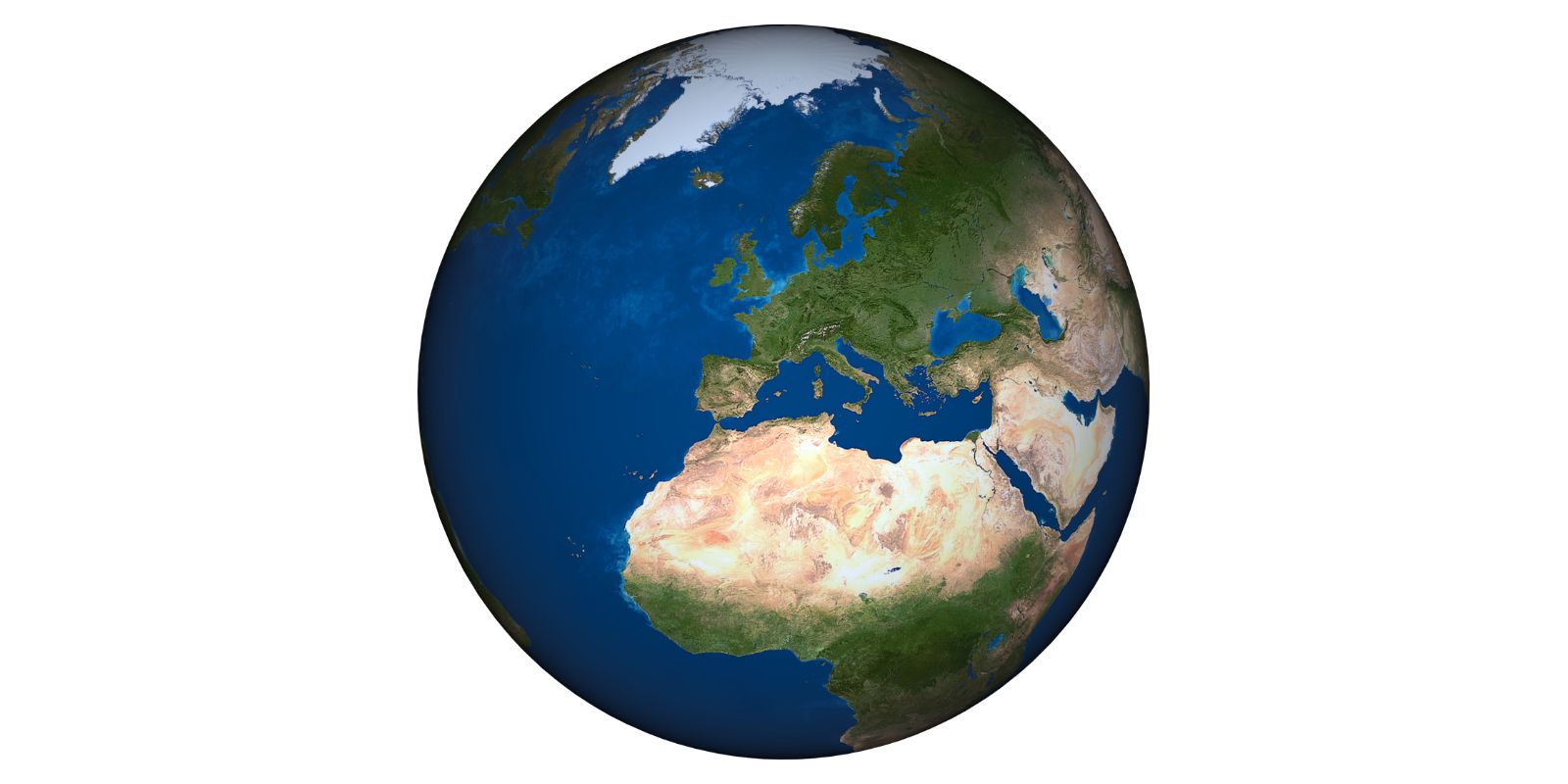
When you look at Europe, it’s easy to see how tightly bound its nations have become. People crisscross borders with little more than an ID card, and production hubs are almost legendary Germany and its cars, France and luxury fashion, Italy and machinery.
The European Union, for all its flaws, has created a system where individual strengths are amplified within a collective framework. Africa, meanwhile, is still struggling to turn its own vast potential into that kind of synergy.
On paper, progress is being made. The African Continental Free Trade Area (AfCFTA) has been hailed as the largest free trade zone in the world, promising freer movement of goods and people across 54 countries. In practice, though, traveling between African countries often feels like a maze of visas, high flight costs, and bureaucratic walls. It’s easier for many Africans to travel to Europe or the Middle East than to visit a neighboring country on the same continent. That lack of mobility doesn’t just inconvenience tourists it stifles trade, cultural exchange, and the possibility of African-made products flowing across African markets with the ease that European cars roll through the EU.
Production is another area where the continent often undersells itself. Africa exports cocoa but imports chocolate; it mines cobalt and lithium but imports the batteries that power phones and cars; it grows coffee beans but imports the instant coffee lining supermarket shelves. We are rich in resources but poor in the industries that process them. When you compare that with Europe, where countries are known for finished products, the imbalance is glaring.
Yet Africa is not standing still. Ethiopia has built up a textile hub, Rwanda is nurturing a reputation in drones and digital services, Nigeria is exporting its entertainment and tech talent, Kenya is becoming a leader in mobile finance, and South Africa continues to anchor automotive production on the continent. These stories remind us that African industries exist they just need scale, networks, and supportive policies to thrive.
The question that lingers, though, is whether Africans truly believe in themselves. Some argue that what holds us back isn’t just weak infrastructure or poor governance, but something deeper an inferiority complex. For decades, colonial systems told Africans that their raw materials were valuable only when processed elsewhere, that “finished” meant European, and that progress had to be imported. That mindset still lurks beneath the surface. We measure success by how many foreign investors we attract rather than how strong our regional supply chains are. We celebrate imported brands but ignore homegrown ones.
Breaking that cycle means reimagining integration not as a bureaucratic dream but as a daily reality. Imagine an Africa where a designer in Nairobi could ship fabrics to Dakar without exorbitant duties, where a Ghanaian cocoa farmer could see their beans transformed into world-class chocolate in Abidjan instead of Antwerp, where a student in Lusaka could study in Addis Ababa as easily as a French student moves to Spain. That kind of self-dependence isn’t just about economics it’s about pride, about finally refusing to see ourselves as lesser.
For Africa to reach that point, governments must make movement easier, industries must be nurtured to add value at home, and people must begin to champion local products with the same passion they show foreign ones. Integration isn’t a treaty sitting in an office in Addis Ababa it’s a bus crossing the border in West Africa without delay, it’s a factory in East Africa producing for continental markets, it’s a young African believing that their passport is not a limitation but a key to the entire continent.
Europe may have its cars and seamless borders, but Africa has something even more powerful untapped potential and a generation no longer willing to accept that their value lies only in what leaves the continent. The question isn’t whether Africa can be self dependent. The question is when we’ll decide to stop waiting for others and finally build the Africa we imagine.