African Youth Charter

By Rosemary Chiedza Mukucha, is a reporter & opinion columnist at My Afrika Magazine passionate about reshaping African narratives through factual storytelling. She also won the 2025 Global Peter Drucker Essay Challenge.
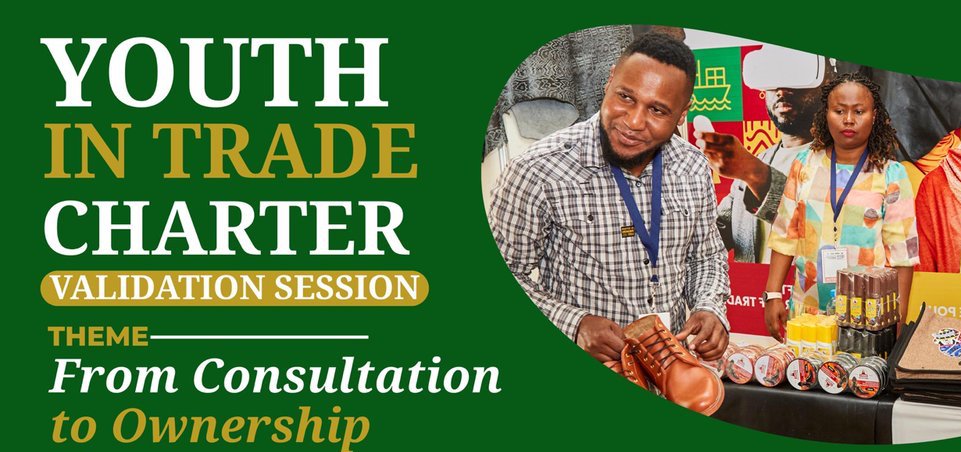
For many young entrepreneurs trying to sell goods across an African border, a delayed consignment can mean lost customers, spoiled produce or another expense the business can barely afford. These everyday difficulties sit at the heart of the draft Youth in Trade Charter, which seeks to give young traders a stronger voice in making continental trade work.
ICOYACA, the AfCFTA Youth Advisory Council, and AGRA scheduled a validation session for 22 October 2026, inviting trade associations and stakeholders to review and strengthen the document. The exercise follows earlier consultations, including the presentation of the zero draft at the Africa Food Systems Forum in Kigali.
The charter comes against a familiar contradiction. Africa has the world’s youngest population, yet young people still face obstacles to participating meaningfully in trade across the continent. Their businesses can connect producers to buyers, develop new products and create employment, but those ambitions depend on being able to reach markets.
The African Continental Free Trade Area entered into force in May 2019, with trading under its framework beginning in January 2021. However, those milestones did not automatically remove the administrative and practical difficulties encountered at borders. At the Kigali consultations, participants highlighted complex procedures, limited trade information and non-tariff barriers among the problems facing young traders.
For a small business, uncertainty itself carries a cost. When a trader cannot establish which documents are required or how long clearance will take, planning deliveries and pricing goods becomes harder. For those handling fresh food, time spent waiting can also reduce the value of the goods they hope to sell.
The draft charter responds by setting out four priorities: protection and fair treatment, accessible trade information, meaningful representation, and equitable access to trade opportunities.
It calls for young traders to receive understandable information about customs procedures, tariffs, rules of origin, standards and simplified trading arrangements. It also addresses harassment and discrimination, recognising that young women and traders with disabilities may encounter additional barriers.
Its proposed accountability process gives representative organizations a practical task: identify a problem, document it, refer it to the responsible institution, track the response, advocate for action and report the findings. This would allow recurring complaints to become evidence for reform, rather than leaving individual traders to repeatedly confront the same difficulties alone.
Youth organizations would also be expected to help traders understand their obligations and comply with applicable requirements. Public authorities, regional economic communities and continental institutions would retain their existing responsibilities.
The distinction matters because the charter is voluntary. It complements the AfCFTA Protocol on Women and Youth in Trade and does not independently create enforceable legal rights. Nor does it promise grants, loans or guaranteed markets.
Its value will depend on what follows: whether organizations document traders’ experiences, whether institutions respond, and whether young entrepreneurs gain a meaningful say in decisions affecting their livelihoods.
For the young trader waiting to clear a consignment, progress will be measured in understandable procedures, fair treatment and goods reaching customers on time.


