Zimbabwe’s Dr Mbizah Earns Top Global Conservation Honour

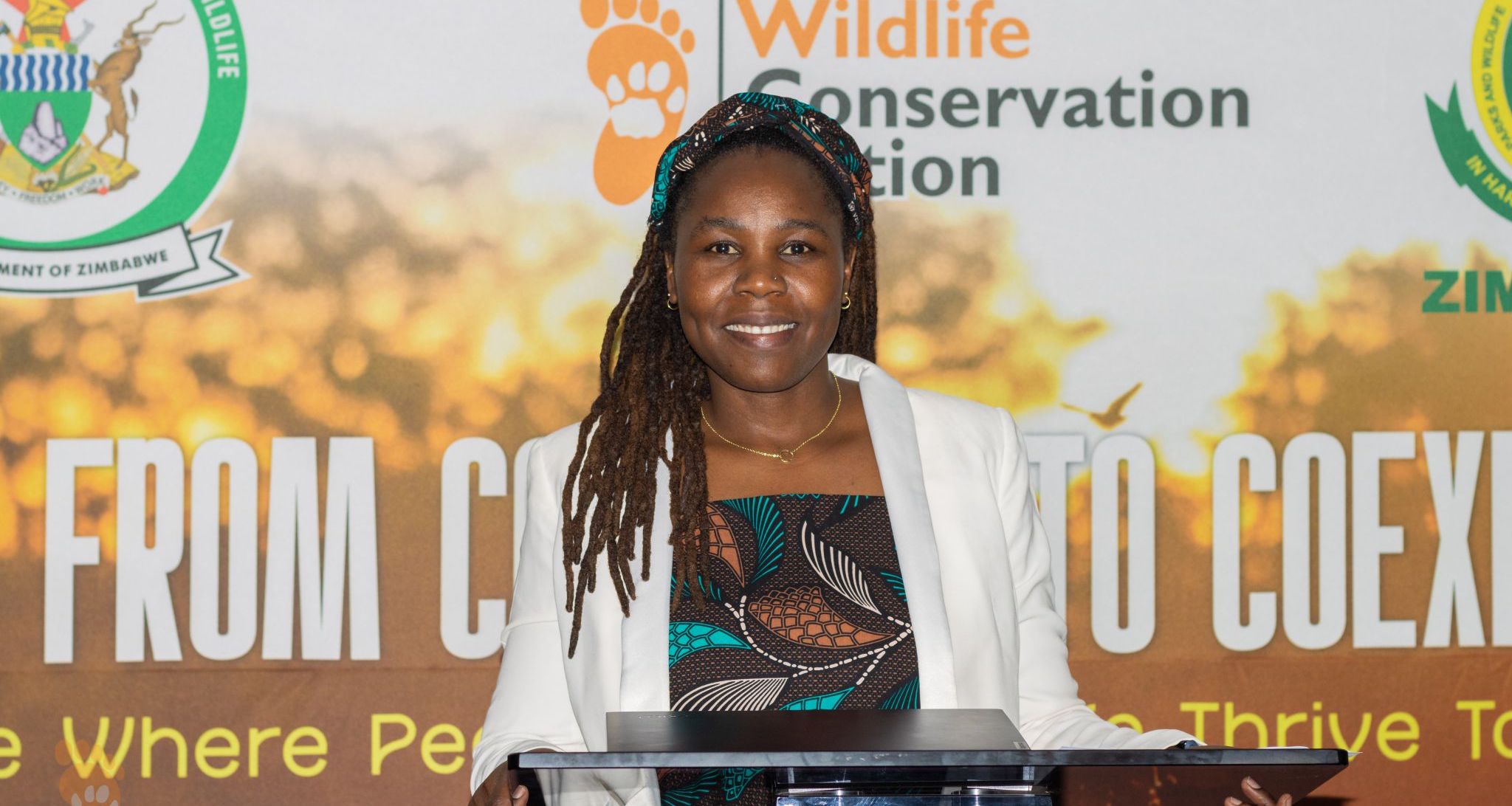
Zimbabwean conservation zoologist Dr. Moreangels Mbizah has added another prestigious accolade to her growing list of international honours after being named a recipient of the 2026 Whitley Award, one of the world’s most respected conservation prizes.
The recognition comes just a year after she received the National Geographic Wayfinder Award, cementing her place among Africa’s leading voices in wildlife conservation.
A former Mandela Washington Fellow and founder of Wildlife Conservation Action, Dr. Mbizah has built a career around one simple but powerful belief: protecting wildlife begins with protecting the people who live alongside it. Her work in Zimbabwe’s Lower Zambezi Valley has transformed the way communities coexist with lions by combining scientific research with practical, community-led solutions.
Rather than focusing solely on saving wildlife, her organisation equips local communities with the tools and knowledge to prevent conflict before it occurs. Community guardians monitor lion movements, predator-proof livestock enclosures reduce attacks, and solar-powered lion lights help keep both people and animals safe. The approach has reduced human-lion conflict by as much as 98 percent in some areas, protecting livelihoods while giving one of Africa’s most iconic species a better chance of survival.
For Dr. Mbizah, the Whitley Award is more than personal recognition. The funding attached to the award will allow her team to expand its work into new communities in Mbire District, strengthen data-driven conservation efforts, and train more community guardians to respond quickly to wildlife conflicts. The long-term goal is not only to protect lions but also to ensure that rural families can thrive without viewing wildlife as a threat.
Her latest achievement reflects years of dedication to changing the conservation narrative in Africa. From earning a doctorate at the University of Oxford to becoming a National Geographic Explorer, TED Fellow, and now a Whitley Award winner, Dr. Mbizah continues to demonstrate that lasting conservation is built on partnership, trust, and local leadership.
As Zimbabwe celebrates one of its own, her story serves as a reminder that some of the world’s most effective conservation solutions are being developed on the African continent, by Africans, for both people and wildlife.