Africa Requires $1.3 Trillion to Realise Development Goals, Says AfDB

The African Development Bank (AfDB) has estimated that Africa will require approximately 1.3 trillion US dollars to achieve the United Nations Sustainable Development Goals (SDGs), underscoring the continent’s pressing need for comprehensive, inclusive, and sustainable financing models.
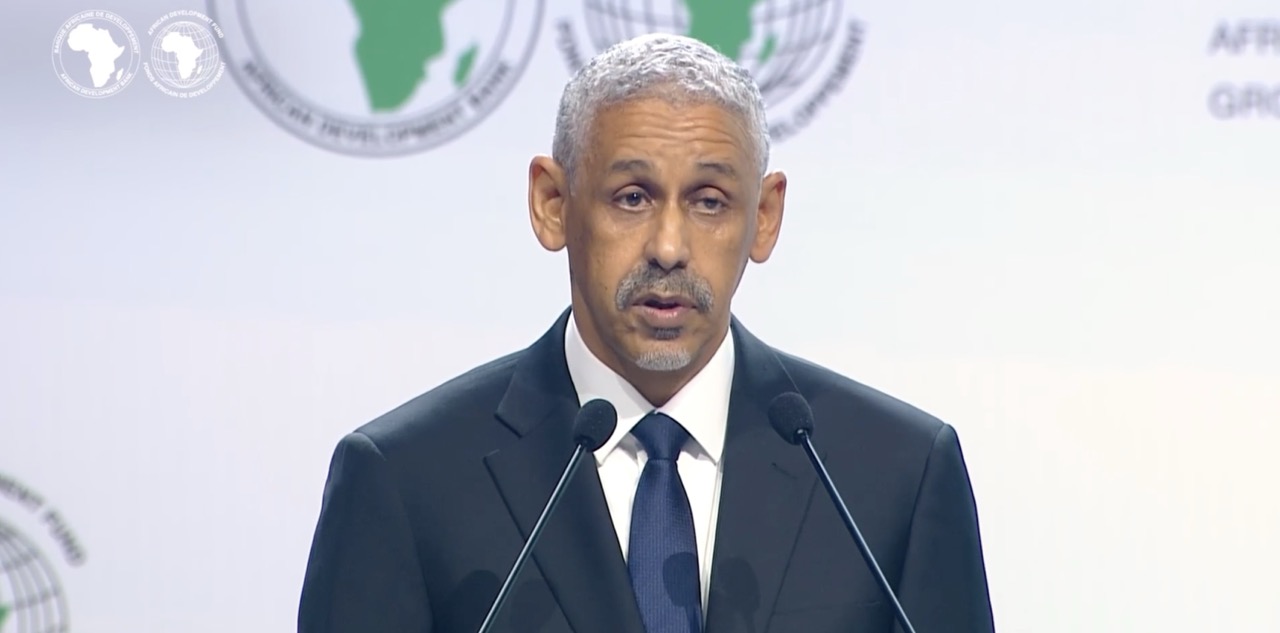
Speaking at the opening of the Third Meeting of the 17th Replenishment of the African Development Fund (ADF) — the Bank’s concessional financing arm — AfDB President Sidi Ould Tah stated that nearly half of this amount represents an external financing gap, highlighting the ongoing structural challenges African economies face in mobilising affordable development finance.
Tah urged development partners to ratify the amendment to the ADF Charter before the end of the year, a move that would enable the Fund to exceed its 85 percent market borrowing threshold. According to the AfDB, this reform could significantly enhance the institution’s lending capacity and expand its developmental footprint across the continent.
“This meeting marks a critical juncture in shaping policy commitments and resource allocations for the 2026–2028 financing cycle,” Tah remarked, emphasising that the success of the replenishment round will depend on innovative partnerships and the effective alignment of development priorities with Africa’s long-term economic transformation agenda.
Zambia’s Acting Minister of Finance and National Planning, Charles Milupi, called on the Bank to deepen its engagement with emerging and multilateral financing platforms to broaden the scope and impact of ADF-supported interventions. Milupi underscored the necessity of leveraging complementary resources from mechanisms such as the Green Climate Fund and the Global Environment Facility, both of which play pivotal roles in supporting low-carbon, climate-resilient pathways for African economies.
“By aligning with these instruments, the AfDB can accelerate Africa’s transition towards sustainable industrialisation, inclusive growth, and climate-smart development,” Milupi noted.
The three-day meeting, held in Lusaka, has brought together development partners, recipient countries, and senior AfDB leadership to chart a coordinated strategy for inclusive growth, regional integration, private sector expansion, and institutional governance reforms. The discussions aim to establish a robust framework to ensure that Africa’s development financing architecture remains African-owned, globally connected, and future-oriented.
Observers note that the $1.3 trillion financing requirement reflects not only Africa’s vast developmental ambitions but also its resilience and capacity for innovation in navigating a complex global economic landscape. The AfDB continues to emphasise that Africa’s progress should be measured not solely by external financial inflows but also by the continent’s growing agency in designing and implementing solutions that reflect local priorities, knowledge systems, and development philosophies.
As the AfDB and its partners deliberate on the next replenishment cycle, the broader message remains clear: Africa’s development is not merely a matter of aid, but of equitable partnership, strategic investment, and collective stewardship of the continent’s economic destiny.