Cameroon Prepares for the Upcoming Presidential Elections

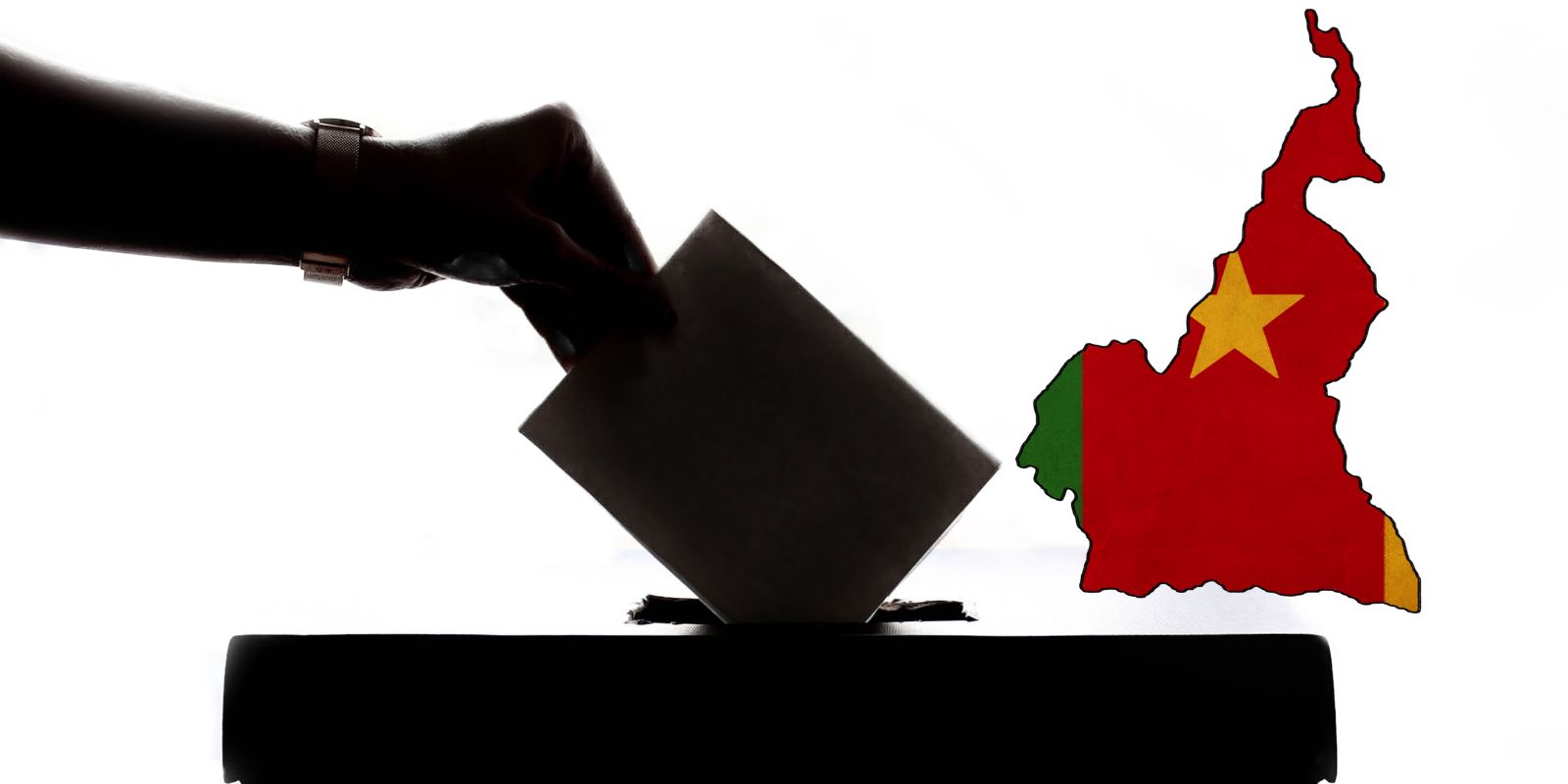
Cameroon heads to the polls on October 12, 2025, for a presidential election that is already drawing widespread attention.
President Paul Biya, who has led the country since 1982, has confirmed that he will contest for an eighth term in office at the age of 92. His decision makes him the world’s oldest serving head of state and extends his more than four decades in power.
The election is taking place under difficult conditions. Cameroon continues to face security challenges, particularly in the Anglophone regions where conflict has displaced communities and strained national unity. The economy remains under pressure, with many citizens grappling with unemployment and rising costs of living. Allegations of corruption and concerns over governance have further shaped public debate in the run-up to the vote.
The credibility of the election process has been questioned following the exclusion of opposition leader Maurice Kamto. Kamto, a former minister and head of the Cameroon Renaissance Movement, was seen as one of the main challengers to Biya.
The electoral commission, ELECAM, disqualified his candidacy on the grounds that the party under which he sought to run also sponsored another candidate, a move it said contravened electoral regulations. Kamto disputed the decision, but the Constitutional Council upheld his exclusion in early August, ruling his appeal inadmissible. The decision is final under Cameroonian law.
Kamto’s disqualification has sparked criticism from human rights groups and civil society organizations, who argue that the absence of one of the leading opposition figures undermines the competitiveness of the election. His supporters have staged demonstrations in parts of the country, while security forces have responded with measures to disperse gatherings.
Despite these tensions, the electoral calendar remains in place, with campaigning expected to intensify in the coming weeks. Several other candidates have been cleared to run, though Biya’s long-standing control of state institutions and the ruling party’s dominance give him a strong advantage.
As the October vote approaches, Cameroonians and international observers will be watching closely to see how the election unfolds, whether it will be conducted transparently, and how the exclusion of a major opponent will affect both voter turnout and the legitimacy of the final result.