Zambia Sets Ambitious 2026 Fiscal Target

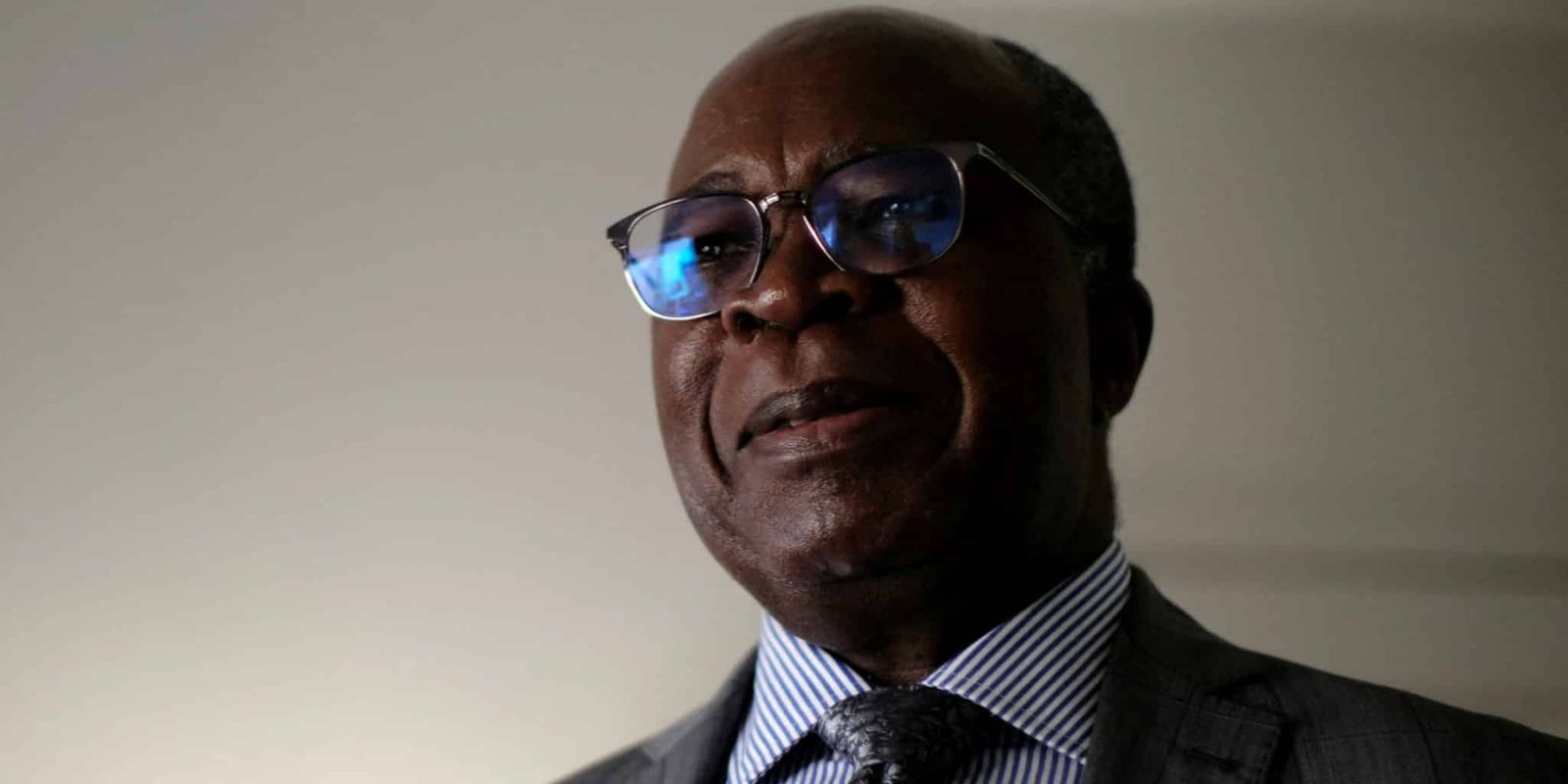
Zambia has announced plans to narrow its fiscal deficit to no more than 2.1% of gross domestic product (GDP) in 2026, a significant reduction from the 4.6% target set for 2025. The commitment, outlined by Finance Minister Situmbeko Musokotwane, underscores the government’s broader efforts to place its public finances on a sustainable trajectory following years of complex debt restructuring.
The minister also projected real GDP growth of at least 6.4% in 2026, compared with an anticipated 5.8% in 2025. These figures signal both confidence in Zambia’s economic recovery and an acknowledgement of the structural reforms needed to anchor long-term growth. As one of Africa’s largest copper producers, Zambia continues to leverage its mineral wealth while simultaneously grappling with the challenges of economic diversification.
Zambia’s fiscal recalibration takes place against the backdrop of ongoing efforts across Africa to balance sovereign debt obligations with the pressing need for investment in infrastructure, healthcare, and education. Countries such as Ghana and Kenya have similarly engaged in debt restructuring negotiations in recent years, revealing shared experiences within the continent’s political economy. This context highlights how Zambia’s fiscal strategy is not an isolated development but part of a wider continental pursuit of financial resilience.
Zambia was the first African nation to default on its sovereign debt during the COVID-19 pandemic in 2020, triggering protracted negotiations with international creditors under the Common Framework for Debt Treatments established by the G20. The resolution of these talks has been viewed as a test case for debt-laden economies within Africa, reflecting not only Zambia’s financial realities but also the shifting nature of global debt governance.
The government’s new targets come at a time when African economies are being called upon to chart independent fiscal paths that balance local imperatives with global economic pressures. While international institutions such as the International Monetary Fund (IMF) and the World Bank remain central actors, there is growing recognition within Africa that sustainable solutions must be rooted in domestic policy frameworks and regional economic cooperation.
Analysts note that achieving Zambia’s revised deficit and growth targets will require sustained fiscal discipline, increased domestic revenue mobilisation, and further improvements in public financial management. At the same time, the volatility of copper prices and the risks posed by external shocks—ranging from climate change to global monetary tightening—remain important variables in the country’s economic outlook.
Zambia’s announcement therefore represents more than a budgetary adjustment; it symbolises the country’s attempt to reconcile immediate fiscal prudence with a vision of long-term stability. In doing so, it speaks to a broader African narrative in which states are seeking to redefine economic sovereignty in the wake of unprecedented global financial disruption.