Transforming Dust into Life: How Eritrea’s Dams Are Revitalizing Rural Communities

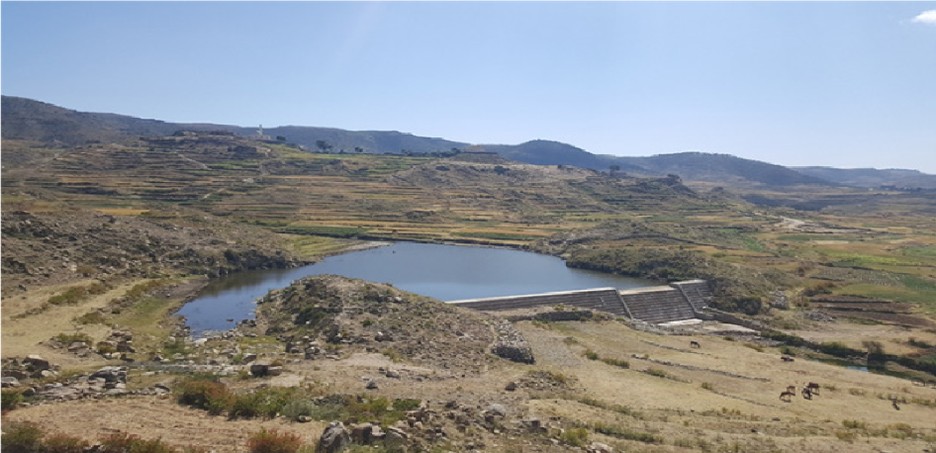
In Eritrea’s arid heartlands, where seasonal rivers once vanished into dust, walls of hand-laid stone are quietly rewriting the story of survival. A growing network of small masonry dams is capturing precious water, turning once-barren stretches into fields of vegetables, fruits, and fodder, and giving rural families a lifeline against drought.
The transformation is evident in villages like Guritatal, where farmer Bekit Idris now harvests crops three times a year. “Before the dam, we relied only on rain, which had become unpredictable,” he said. “Now I produce enough to feed my family and sell in the market. Our nutrition and income have greatly improved.”
Eritrea, one of the Horn of Africa’s most drought-prone nations, has embraced a simple yet powerful solution: building small, locally sourced dams with the support of the African Development Bank’s Drought Resilience and Sustainable Livelihoods Programme (DRSLP). Since 2015, the initiative has financed 98 new dams, 11 water points, and the rehabilitation of over 200 hectares of land, helping farmers shift from subsistence to sustainable, market-oriented agriculture.
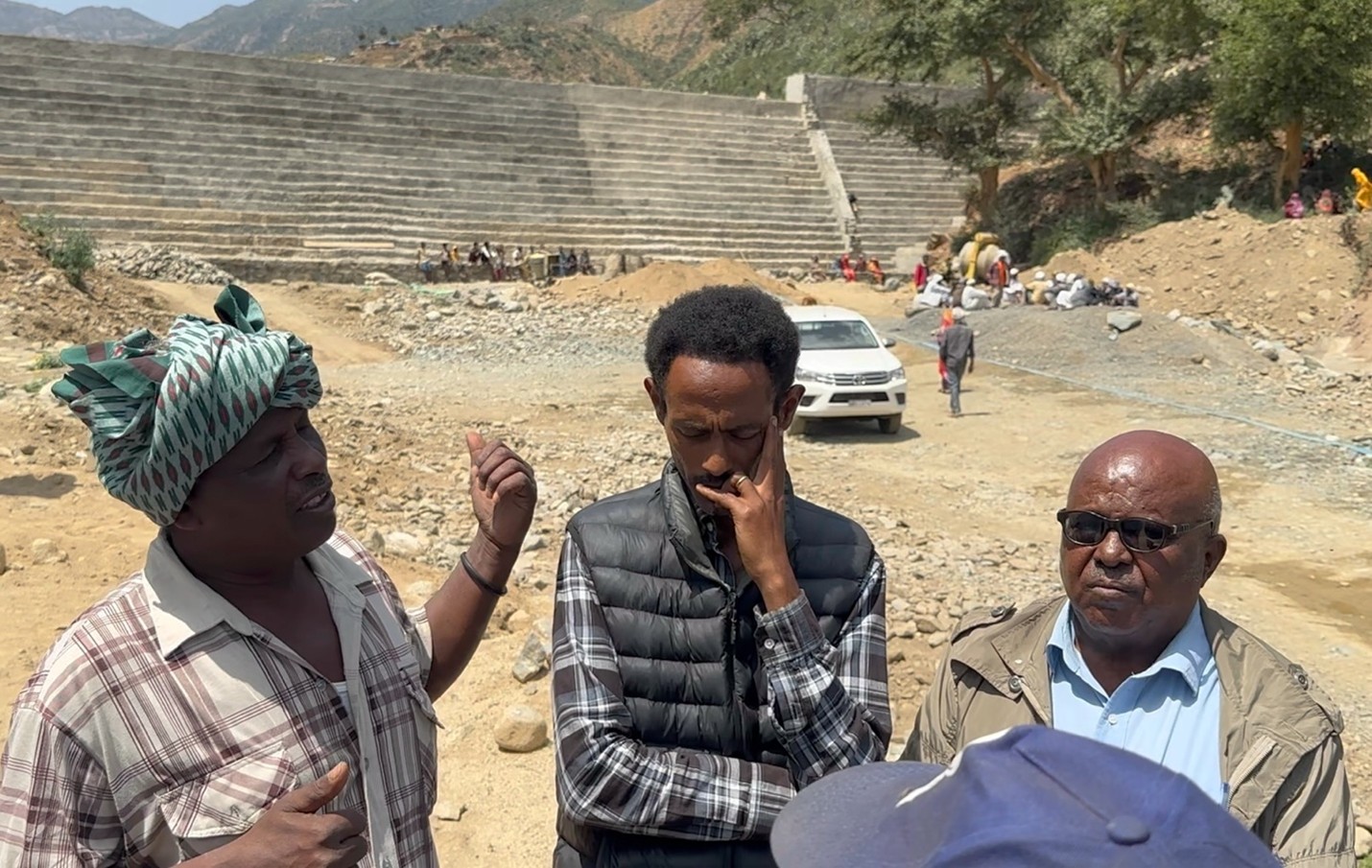
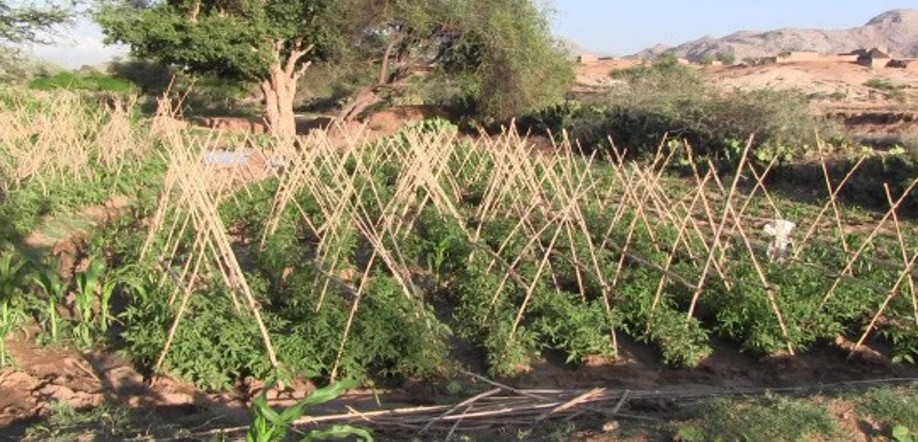
Farmers like Hamed Meskel in the northern Aderde area now enjoy biannual harvests after years of watching wells dry up. “I was forced to stop cultivating, but now, water is available again,” he said. His farm doubles as a demonstration plot for 350 nearby households, showing the potential of irrigated farming.
With 73% of Eritreans reliant on agriculture, the impact of water security extends beyond crops. It builds climate resilience, strengthens rural economies, and brings hope to communities long battered by erratic rains. The DRSLP, now in its fifth phase and running through 2026, aims to construct over 116 dams, empowering pastoral and agro-pastoral families across six regions.
“This project has immensely contributed to expanding agriculture and agribusiness opportunities in rural Eritrea,” said Kenneth Onyango, the African Development Bank’s Country Program Officer. “Communities are seeing results, and livelihoods are changing.”
For Eritrea’s farmers, each dam represents more than water, it is a bridge from uncertainty to opportunity, and a testament to how local solutions can transform lives in a changing climate.