The necessary conversations at Women’s Denderedzwa

Some years ago, I had a high-profile event that I was booked to perform at alongside a fellow musician — a man.
When we arrived at the venue, we exchanged the usual pleasantries before soundcheck. He casually mentioned that he had had a great day and had just come from a braai with friends. I remember smiling politely, but internally laughing at how wildly different our days had been.
My day had started with the usual meetings then picking up my daughter from school, only to realize she wasn’t feeling well. Suddenly, everything shifted. I rushed to the pharmacy hoping to quickly get medication before heading home to prepare for the event. Somewhere between traffic, phone calls and trying to comfort a sick child in the back seat, I called my mother hoping she could babysit. She couldn’t — she had a prior church commitment.
Panic.
I called my manager, trying to sound calmer than I actually was. Thankfully, she agreed to stay with my daughter while I performed. So we rushed home. She quickly changed clothes and freshened up while I packed snacks, medicine, extra clothes, chargers — all the invisible logistics women somehow carry without applause. At the same time trying to glam up and not look like my problems. Then it was back into the car, racing against time to make soundcheck.
And despite all of that chaos, I was still expected to show up on stage with the same excellence, energy and composure as my male counterpart who had spent his afternoon relaxing at a braai.
That day taught me something very early in my career: this is not a level playing field.
Not because women are less capable — far from it — but because there are realities women carry that often remain unseen. The balancing act between caregiving, professionalism, artistry, emotional labour and ambition is real. And sometimes the only people who truly understand those tensions are other women.
I needed that gig. I needed the money. I also knew the room was full of networks and opportunities that could potentially shape my future career. So leaving early was not really an option either.
But with my manager babysitting, I knew I had to move strategically. I asked Betty, the event organizer, if she could please put me earlier on the lineup and help introduce me to a few key people immediately after my set so I could leave sooner. She gladly obliged. I performed, networked efficiently, greeted who I needed to greet and left. And honestly, moments like that are why artist-led spaces like Women’s Denderedzwa matter so much.
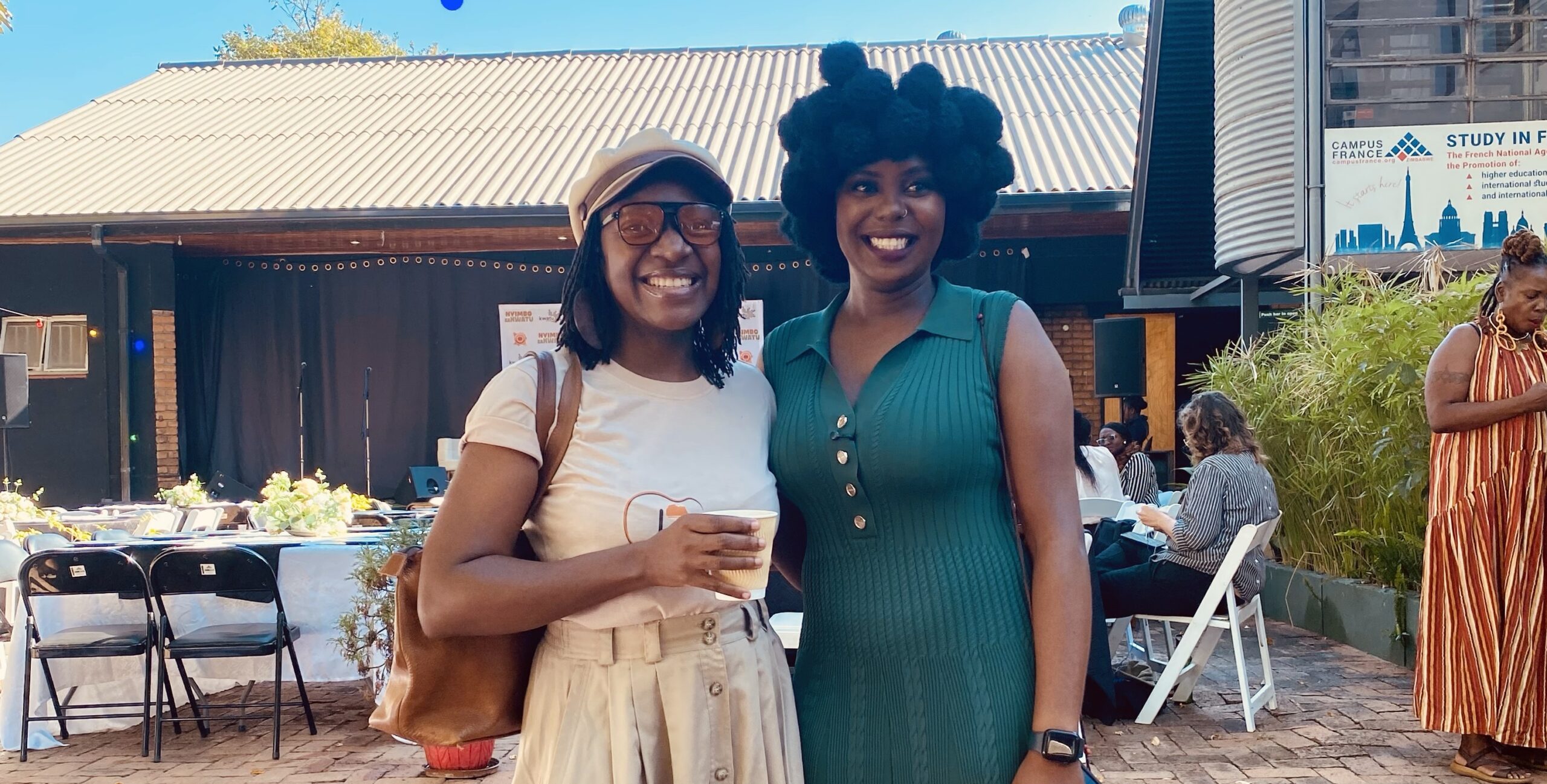
Women’s Denderedzwa is a dialogue platform that brings women together to share perspectives, exchange ideas and reflect on issues shaping our communities and industries. For this first edition, women across the creative sector gathered to engage around topics spanning artificial intelligence, creative economy perspectives, best practices and the evolving role of women within these intersections.
I have been in these spaces for a long time. If I am being honest, there was a time I used to cringe whenever I was invited to women-centered conversations because they often felt repetitive — filled with frustration, pity narratives and symbolic conversations that rarely translated into tangible progress.
But as I continue to grow in my career, the gaps are becoming impossible to ignore.
Women remain underrepresented in many of the highest earning and decision-making areas of the Zimbabwean creative economy — from festival ownership and technical production to publishing, executive leadership, touring circuits and investment structures. Many women are visible as performers, but far fewer occupy positions where ownership, policy influence and long-term wealth are built.
And that is why the conversations at Women’s Denderedzwa felt refreshing.
As I listened, I couldn’t help but smile because the tone has shifted. The room was not centered on pity, handouts or entitlement. There was no obsession with quotas for the sake of optics. Instead, the conversations were grounded in collaboration, systems thinking, innovation, sustainability, ownership and resilience.
Women were exchanging ideas.
Sharing opportunities.
Building networks.
Challenging each other.
Thinking structurally.
Thinking long-term.
That shift matters.
It signals maturity within the ecosystem and a growing recognition that women are not simply asking to be included — they are actively building, convening and shaping the future of the industry themselves.
And perhaps what made the experience even more emotional for me was remembering Mary Anibal as a young girl in high school sharing her dream of becoming a musician when I visited her school years ago.
To now witness her evolving into not only an artist, but an educator, convenor and thought leader is deeply inspiring.
Congratulations to Mary and the entire team behind Women’s Denderedzwa.
There is hope.
And perhaps more importantly, there is movement