Study warns luxury tourism in Africa brings inequality, not community gains

Efforts by African governments to expand luxury tourism are delivering limited benefits to local communities and in some cases are worsening inequality, according to new research by the University of Manchester published on Tuesday. The findings challenge the widespread view that “high-value, low-impact” tourism is a reliable path to economic growth.
Business and leisure travel to Africa has been steadily rising, with major airlines expanding routes and multinational operators increasing their presence. Governments have responded by pursuing luxury resorts and high-end safari lodges, positioning them as cornerstones of economic development strategies. But the Manchester study, released in African Studies Review, suggests the model does not always work as intended.
The researchers found that many all-inclusive resorts function in isolation from surrounding communities, often hiring only a small number of local workers and discouraging tourists from spending outside the premises by offering everything on-site. The study noted that the most profitable eco-lodges are frequently foreign-owned, with revenues channeled to overseas travel agencies, imported goods, or profits repatriated abroad.
“Luxury tourism is marketed as sustainable and community-friendly, but in practice it tends to deepen divides,” the study said, adding that low wages and limited job creation contrast sharply with the profits enjoyed by foreign operators or a small local elite.
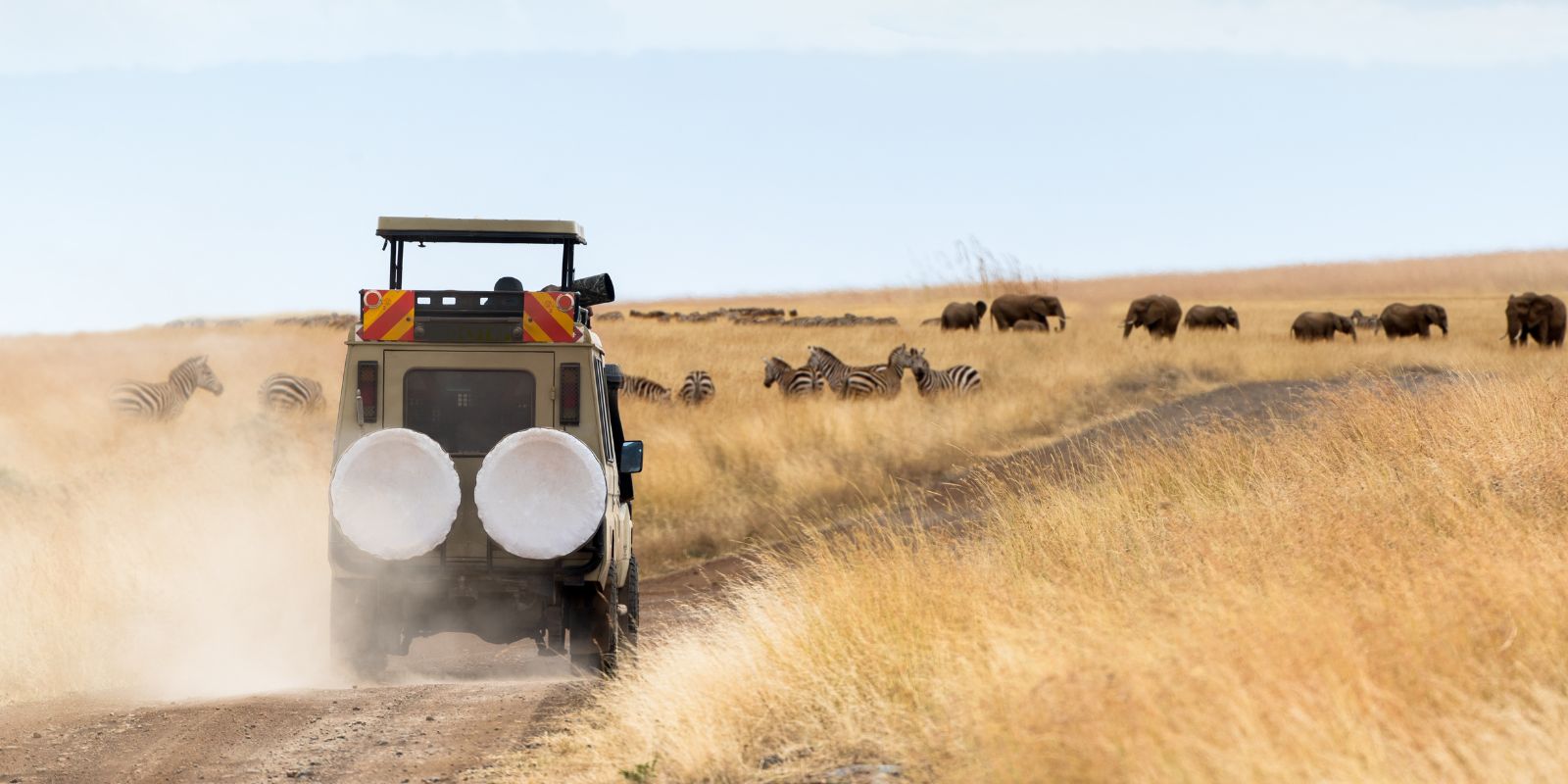
The issue is already spilling into social conflict. In Kenya, a local activist last week filed a lawsuit to block the opening of a new Ritz-Carlton safari lodge in the Maasai Mara, which advertises plunge pools and personalised butler service. Critics say the project mirrors a broader pattern where exclusive developments restrict access to land and water resources long used by pastoralist communities.
Similar disputes have flared in Tanzania, where protests against the eviction of tens of thousands of Maasai to make way for luxury hunting lodges have at times turned violent. These clashes underscore the risks that accompany the sector’s expansion when local voices are sidelined.
The Manchester study also highlighted the structural imbalance in the flow of money. While tourists pay premium rates for what is marketed as authentic African experiences, a significant share of the income leaves the continent through foreign-owned operators and international supply chains. That dynamic, the authors argue, undermines the potential of tourism to foster inclusive development.
The findings arrive at a time when many African countries are racing to diversify their economies, with tourism promoted as a leading sector for growth. Kenya, Tanzania, Rwanda, Botswana and South Africa have all unveiled campaigns in recent years to attract wealthy visitors seeking safaris, private reserves and luxury beach stays. Officials often point to high-end tourism as a more sustainable alternative to mass travel, promising fewer visitors with higher spending power and lighter environmental footprints.
But the study calls for a rethink, urging governments to focus instead on models that emphasise community participation and transparent profit-sharing. It suggests policies such as mandatory local hiring quotas, investment in small-scale locally owned lodges, and stronger regulations on land acquisition could help align tourism with broader development goals.
For now, the tension between aspiration and reality remains stark. The research paints a picture of a sector where luxury growth is celebrated in government press releases, while communities living beside game parks and beaches often see little change in their livelihoods. As disputes in East Africa show, without reforms the boom in luxury tourism risks fuelling more social unrest than shared prosperity.