Rwanda’s Formula One Bid Could Bring Grand Prix Racing Back to Africa by 2029

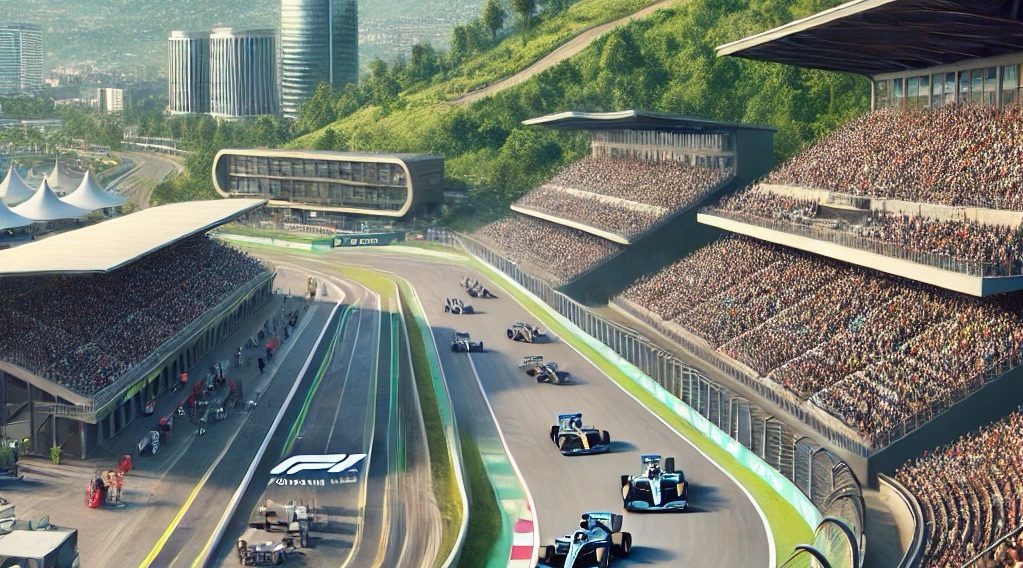
In a move that could reshape Africa’s presence in global motorsport, Rwanda is currently in active discussions to host a Formula One Grand Prix by 2029 and officials say negotiations are progressing steadily.
Jean-Guy Afrika, CEO of the Rwanda Development Board, confirmed that the talks are linked to the country’s planned new international airport project and a broader urban development vision. The proposal goes beyond building a racetrack. Rwanda aims to develop an entire recreational and commercial ecosystem around the circuit, effectively creating a new city hub designed to host major global events.
Modern Formula One is no longer just about racing. It has evolved into a traveling global business and entertainment summit, attracting corporate leaders, technology entrepreneurs, investors, sponsors, and luxury brands. Rwanda’s pitch recognizes this shift. Officials have openly framed F1 as a gateway to high-value networks, global visibility, and premium tourism.
If successful, the race would mark Formula One’s return to the African continent after a 36-year absence. The last African Grand Prix was held at South Africa’s Kyalami circuit in 1993. Since then, repeated discussions about an African race have surfaced but never materialized into a confirmed calendar slot.
Rwanda appears determined to change that pattern. Government leadership has been visibly present at recent Formula One events, including races in Doha and Baku, signaling sustained political support behind the bid. The country’s Sports Ministry has also emphasized Rwanda’s track record in hosting international events and positioning itself as a reliable partner for global sports organizations.
The stakes, however, are significant. Hosting Formula One is expensive. Circuits require world-class infrastructure, safety compliance, logistics capacity, and long-term commercial commitments. Race hosting fees alone can reach tens of millions of dollars annually. While the global exposure and tourism surge can be substantial, economic returns are not automatic and depend heavily on execution, local integration, and sustained follow-through.
For Rwanda, the strategy fits a familiar pattern: bold, high-visibility investments aimed at accelerating global positioning. The country has previously leveraged major conferences, sports partnerships, and branding initiatives to build international recognition disproportionate to its geographic size.
Whether the Formula One bid ultimately succeeds or not, the intent is clear. Rwanda is not just bidding for a race, it is bidding for relevance within one of the world’s most powerful global sporting platforms. If approved, the move would not only return Formula One to Africa but could also reset how the continent participates in elite global sports ecosystems.