Pope Leo XIV’s visit to Cameroon, historic.

By Rosemary Chiedza Mukucha, is a reporter & opinion columnist at My Afrika Magazine passionate about reshaping African narratives through factual storytelling. She also won the 2025 Global Peter Drucker Essay Challenge.
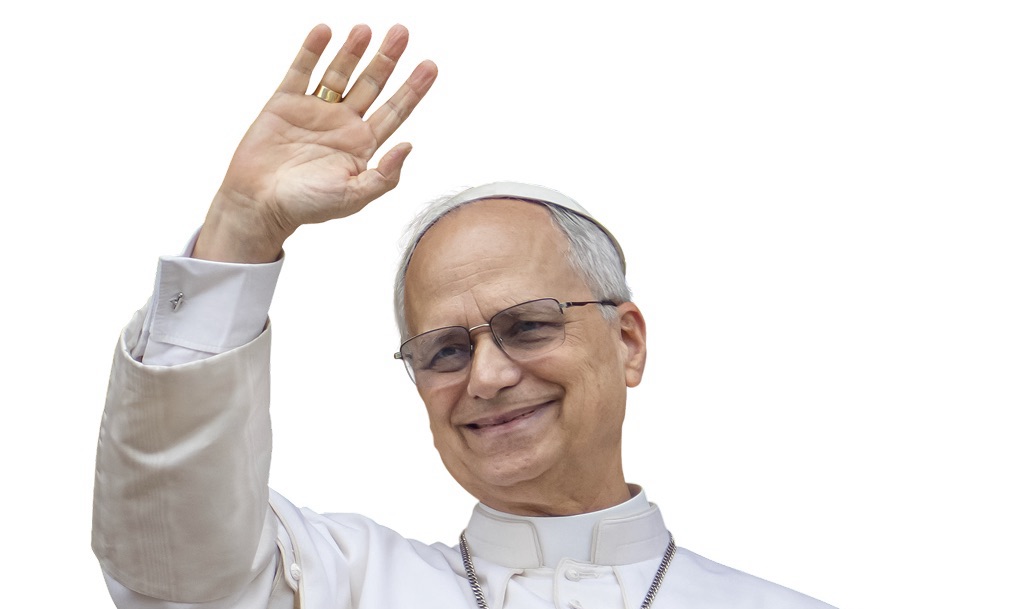
Cameroon is preparing for a historic moment as Pope Leo XIV is expected to visit the country from April 15 to 18, 2026. For many, this isn’t just another diplomatic trip it feels like a rare moment of reflection, hope, and possibly even healing.
The Pope’s itinerary is quite packed. He will begin in Yaoundé, where he is scheduled to meet President Paul Biya at the Presidential Palace before addressing government officials, civil society, and the diplomatic corps. This sets the tone for what is clearly both a spiritual and political visit.
Beyond official meetings, his program includes visits to an orphanage and engagements with Catholic bishops and students something that reflects a more human, pastoral side of the trip.
One of the major highlights will be the public masses. While he will celebrate Mass in multiple cities, the main one in Yaoundé is expected to take place at the Yaoundé-Ville Airport, which is being prepared to host large crowds. He will also travel to Bamenda and Douala, where additional masses and community events are planned.
Interestingly, this visit is happening at a time when the country is investing heavily in infrastructure. The long-neglected Bafut Airport is reportedly undergoing renovation after more than four decades, alongside road rehabilitation projects in key regions. While these upgrades are partly logistical, they also signal an attempt to present a more connected and stable Cameroon to the world.
But perhaps the most important aspect of this visit is its potential impact on the ongoing Anglophone crisis. The Pope is expected to hold a peace meeting in Bamenda, one of the regions most affected by the conflict. His message will likely focus on dialogue, reconciliation, and national unity something both the government and separatist groups have struggled to achieve.
Realistically, a single visit cannot resolve a conflict that has lasted years. However, the moral authority of the Pope, especially in a deeply religious country like Cameroon, could help shift public sentiment and reopen space for dialogue.
At the very least, this visit feels like a pause a moment for the country to reflect on where it stands, and where it could go if unity is taken seriously.
The Pope’s itinerary is quite packed. He will begin in Yaoundé, where he is scheduled to meet President Paul Biya at the Presidential Palace before addressing government officials, civil society, and the diplomatic corps. This sets the tone for what is clearly both a spiritual and political visit.
Beyond official meetings, his program includes visits to an orphanage and engagements with Catholic bishops and students something that reflects a more human, pastoral side of the trip.
One of the major highlights will be the public masses. While he will celebrate Mass in multiple cities, the main one in Yaoundé is expected to take place at the Yaoundé-Ville Airport, which is being prepared to host large crowds. He will also travel to Bamenda and Douala, where additional masses and community events are planned.
Interestingly, this visit is happening at a time when the country is investing heavily in infrastructure. The long-neglected Bafut Airport is reportedly undergoing renovation after more than four decades, alongside road rehabilitation projects in key regions. While these upgrades are partly logistical, they also signal an attempt to present a more connected and stable Cameroon to the world.
But perhaps the most important aspect of this visit is its potential impact on the ongoing Anglophone crisis. The Pope is expected to hold a peace meeting in Bamenda, one of the regions most affected by the conflict. His message will likely focus on dialogue, reconciliation, and national unity something both the government and separatist groups have struggled to achieve.
Realistically, a single visit cannot resolve a conflict that has lasted years. However, the moral authority of the Pope, especially in a deeply religious country like Cameroon, could help shift public sentiment and reopen space for dialogue.
At the very least, this visit feels like a pause a moment for the country to reflect on where it stands, and where it could go if unity is taken seriously.