OPINION: World Humanoid Robot Games Kick Off in Beijing — But Where is Africa?

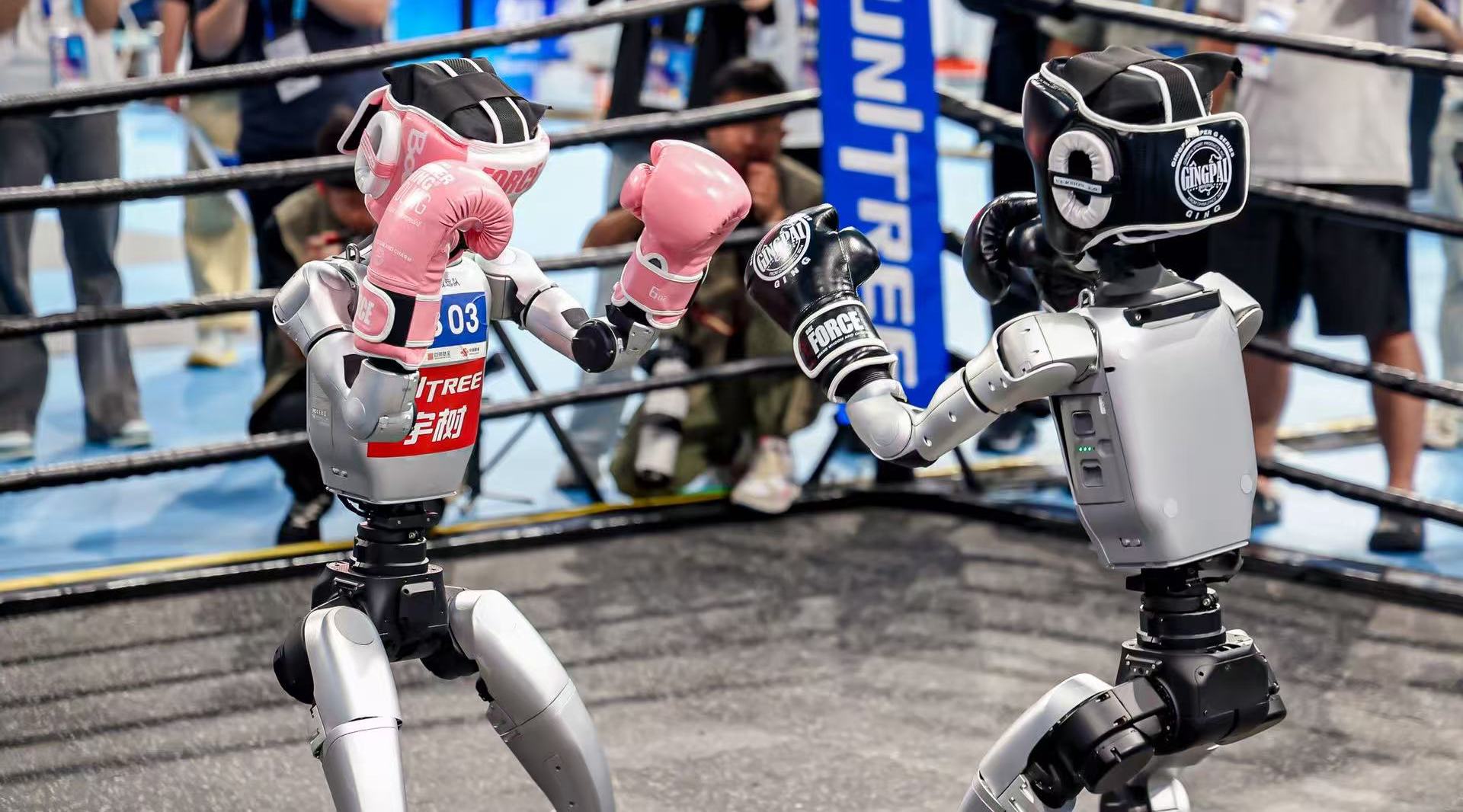
FUTURE TECH: Beijing’s National Speed Skating Oval is currently hosting the 2025 World Humanoid Robot Games, an event showcasing some of the most advanced achievements in robotics. With 280 teams from 16 countries, including Japan, Brazil, United States, Germany, and Italy, the Games are positioning themselves as a proving ground for the future of intelligent, human-like machines.
The competition, which runs from Friday to Sunday, features 26 events ranging from athletic feats, such as running, long jump, gymnastics, and robot soccer, to practical skill-based challenges like drug sorting in hospital scenarios, warehouse logistics, and cleaning services. Organisers say these trials are designed to push robots beyond the laboratory and into real-world applications in factories, hospitals, homes, and hotels.
The Games follow the 2025 World Robot Conference, where more than 200 robotics companies unveiled over 1,500 products, including 50 new humanoid robot models making their global debut. The momentum is clear: countries are investing heavily in robotics innovation as part of the next wave of industrial, medical, and service-sector transformation.
But as the world competes for dominance in this emerging technology, Africa is once again missing from the field. Not a single African nation is represented among the participating teams. This silence raises uncomfortable questions: Is Africa preparing for a tech-driven future, or will it continue to serve as a source of raw materials while the rest of the world races ahead in technological development?
Recent research and economic trends suggest the continent risks being sidelined in the very sectors that will shape the global economy over the next decades. Robotics, particularly humanoid robots, are not just entertainment spectacles; they are tools that will transform manufacturing, logistics, healthcare, and hospitality. Nations absent from this race may find themselves importing both the technology and the terms of its use, with little say in how it is applied.
For African governments, universities, and private sector players, the message from Beijing is loud and clear: the future is not waiting. Without deliberate investment in robotics research, engineering education, and innovation infrastructure, Africa’s role in this new era may be limited to supplying the minerals and raw materials that power someone else’s machines.
The Games in Beijing will end in a matter of days. But the global race they symbolise, the race to lead in the technologies that will define the 21st century, is only accelerating. The question is whether Africa plans to be a competitor or just a spectator.
Feature Image credit The Beijing Daily on X