OP-ED: Why Businesses Are Rethinking What Happens to Redundant IT

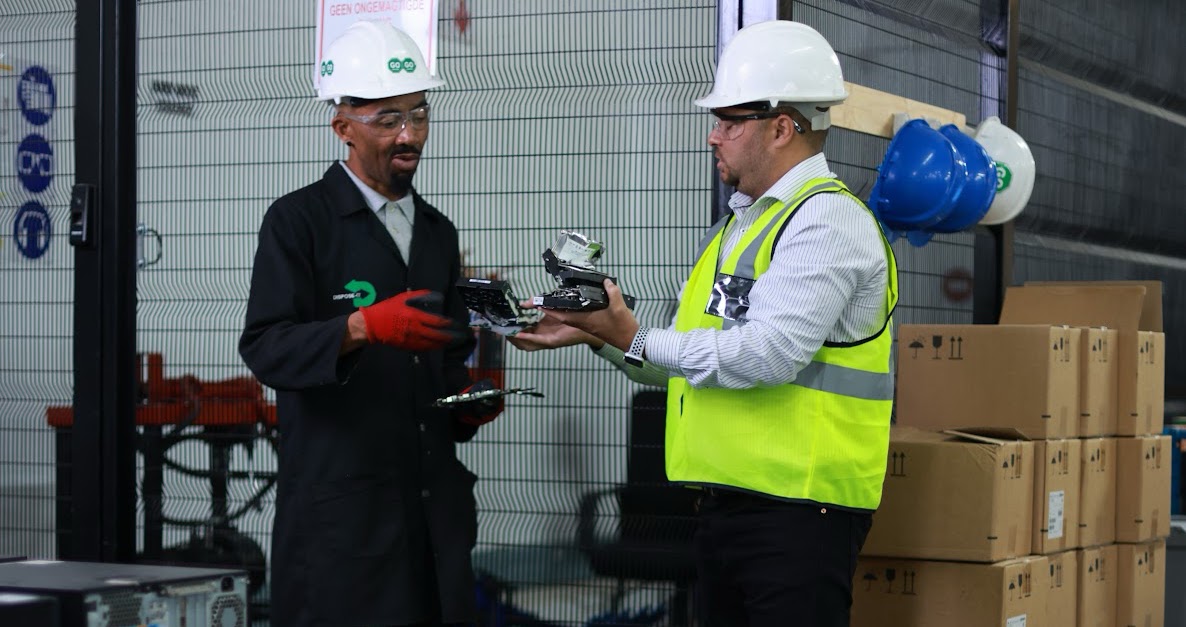
OP-ED | By Lauren Omopariola: From recovering residual value to improving asset visibility and reducing e-waste, retired technology may have a bigger role to play in the IT lifecycle.
For many organisations, the end of a device’s working life inside the business is relatively uneventful. A laptop is replaced, a desktop is upgraded, a monitor is removed or a server is decommissioned and the old equipment is moved into storage.
There it can remain for months, sometimes longer.
The problem is that technology does not become more valuable while it sits unused. Equipment continues to age, its potential resale value can decline, valuable space remains occupied and data-bearing devices may still contain information that needs to be appropriately managed.
This is changing the way businesses think about redundant technology.
Rather than treating IT Asset Disposition (ITAD) simply as the final step of getting rid of unwanted equipment, organisations can consider it as part of the wider technology lifecycle with implications for financial recovery, asset management, governance and sustainability.
Ryan Lurie, General Manager of Dispose-IT, says one of the challenges is that redundant equipment can quickly become an afterthought.
“Businesses are understandably focused on deploying new technology and keeping their teams productive. What happens to the equipment being replaced can receive much less attention,” says Lurie.
“The longer that equipment sits unused, the fewer options an organisation may eventually have. Assessing it earlier gives the business a clearer picture of what it owns, what may still have value and what needs to happen next.”
Ten opportunities businesses may be overlooking. The shift towards a more structured approach to redundant IT creates several opportunities that can easily be missed.
1. Recover residual value: A device no longer required by one organisation is not necessarily without value. Qualifying laptops, desktops, monitors, servers and other equipment may still have a secondary-market value. Assessing redundant assets earlier can help determine whether value can be recovered before further depreciation occurs.
2. Redirect recovered value into future technology: Where value can be recovered from redundant equipment, those funds can potentially be redirected into future technology requirements. This creates an opportunity for organisations to consider the financial value of outgoing equipment as part of the wider technology refresh cycle.
3. Improve asset visibility: IT estates can become difficult to track as equipment moves between employees, offices, projects and storage locations. The retirement stage provides an opportunity to reconcile physical equipment against asset records and establish a clearer picture of what the organisation still owns.
4. Reclaim valuable space: Redundant technology has a physical footprint. Laptops, desktops, monitors and servers can gradually accumulate in storerooms, offices and warehouses. A more structured approach to retired equipment can return that space to productive use.
5. Manage data-bearing equipment appropriately: A device may no longer be useful to the business, but that does not mean the information stored on it has stopped being important. Retired laptops, desktops, servers and storage devices therefore need to be considered from both an asset and data perspective. Maintaining appropriate chain of custody, managing data securely and retaining supporting documentation can help organisations maintain greater control over equipment as it leaves the operational environment.
6. Extend the useful life of technology: Retirement from one organisation does not always have to mean the end of a device’s useful life. Where appropriate, equipment may be suitable for refurbishment and reuse, allowing technology to remain productive for longer before eventually reaching the recycling stage.
7. Reduce unnecessary e-waste: A more considered approach to redundant equipment can help distinguish between technology that can still be reused and equipment that has genuinely reached the end of its useful life. Extending the life of suitable devices and responsibly recycling equipment that can no longer be used can contribute to a more considered approach to electronic waste.
8. Create opportunities for social impact: Suitable refurbished equipment may also create opportunities for corporate social investment initiatives. Where appropriate, usable devices can potentially be redirected through donation programmes rather than being left unused or prematurely entering the waste stream.
9. Strengthen governance and accountability: For many organisations, knowing that equipment has been removed is no longer enough. Asset tracking, chain of custody and appropriate reporting can provide a clearer record of what happened to equipment once it was retired. This can be particularly important for organisations with internal governance, audit and compliance requirements.
10. Think about technology as a lifecycle: Perhaps the biggest shift is conceptual. Technology does not simply move from “in use” to “waste”. It moves through a lifecycle acquisition, deployment, use, refresh, retirement and, where possible, reuse or responsible recycling. Looking at redundant equipment through this lens encourages businesses to make decisions earlier rather than waiting until storerooms are full or an office move forces the issue.
The timing matters: For organisations planning an IT refresh, office relocation, consolidation, project closure or technology upgrade, redundant equipment should form part of the planning conversation from the beginning.
Waiting can reduce the options available.
“Businesses do not necessarily need to wait until equipment becomes a disposal problem,” says Lurie. “The better question is what should happen to an asset as soon as the business knows it will no longer be required.”
That may mean assessing whether equipment still has residual value, identifying devices suitable for reuse, ensuring data-bearing assets are appropriately managed, updating asset records or determining which equipment has reached the point where responsible recycling is the appropriate next step.
Ultimately, the way businesses think about redundant IT is changing.
What was once viewed largely as an end-of-life problem can instead become another stage of technology management one that can influence cost recovery, asset visibility, governance and sustainability.
For businesses, the opportunity starts by asking what value, risk and responsibility remain in a device before deciding that its useful life is over.