Letter To The Strong Ones

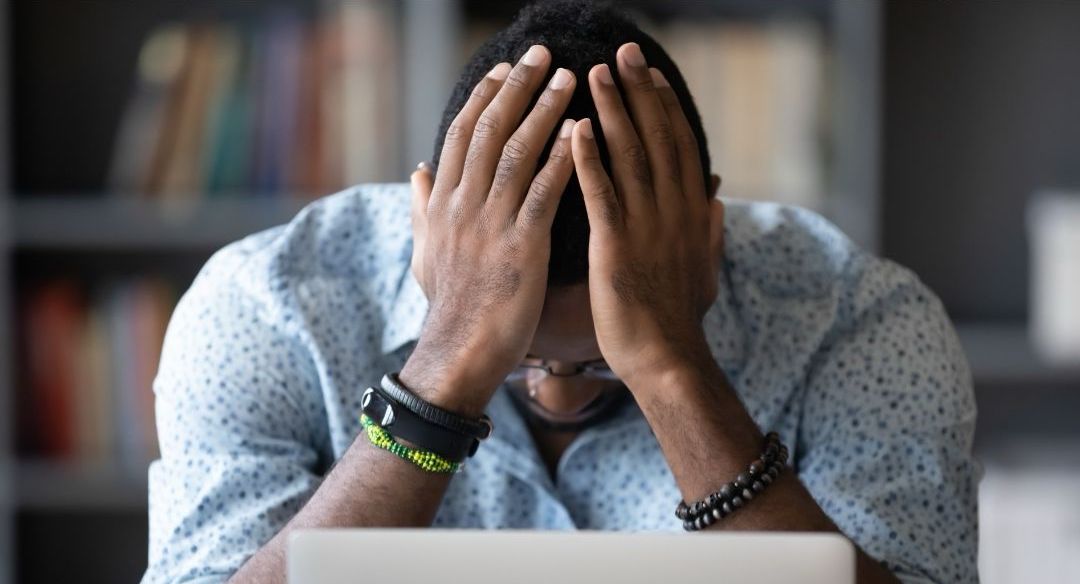
I’m not the firstborn. I haven’t had to raise siblings while still trying to figure out my own life. I haven’t been the one people look up to when things fall apart or the one whose silence is mistaken for peace. But I have watched it closely. I have listened. And I’ve come to understand the quiet, heavy burden many people carry behind is what we often call strength.
I remember I once read a tweet by a lady who said, “I haven’t cried in years. I don’t know how to anymore.” According to her, she had just lost her job, was juggling responsibilities for her siblings, and was caring for a sick parent. But she still showed up every day helping others, answering calls, being “available.” People called her dependable, responsible, a rock. But no one really asked her, “How are you doing really?” This is the story of so many, especially in African homes, especially those labelled “the strong ones.” Often, they didn’t choose strength but it was assigned to them by culture, by family, or by circumstance.
In many of our communities, we glorify endurance. We celebrate those who carry pain silently. We reward those who are always “put together.” And so many grow up learning to suppress their feelings, place themselves last, and constantly be available for others. We mistake emotional suppression for maturity. We see silence as stability. But this kind of strength is often just survival unacknowledged, unhealed, and misunderstood.
Behind every “strong person” is someone who has learned to bottle things up. Someone who stays up late so others can sleep peacefully. Someone who won’t ask for help because they’re scared no one will show up. They’ve become so good at being the back-bone that they’ve forgotten what it feels like to be held. This is what makes their struggle invisible: they don’t look like they’re falling apart. They still show up, smile and perform like everything is normal. But on the inside, they’re often exhausted.
There’s a tragedy in becoming strong too soon. You lose softness. Vulnerability becomes foreign. Even when there’s a chance to rest, guilt creeps in. “I should be doing something,” they think. “People are counting on me.” And while society claps for them, no one sees the emotional erosion happening underneath.
Thankfully, more people are beginning to question this idea of strength. More “strong friends” are choosing to be honest. Some are finding the courage to confront family dynamics. To seek help when necessary. To say, “I can’t do this right now.” It is very hard on them, but they’re learning. They’re learning that strength isn’t just about what you carry. It’s also about knowing when to put things down, building boundaries, choosing rest, and giving yourself permission to feel.
I write this for the ones who’ve been strong for too long. The ones whose needs have been buried under responsibilities. The ones who are still learning how to ask for help without shame. This is a reminder that you deserve softness too. You deserve to be checked on, not just relied on. You deserve ease, not just endurance. And as a society, may we learn to celebrate not just resilience, but wholeness. Not just sacrifice, but self-awareness because even the strongest deserve a soft place to fall.