Gender Equality in Government: Kenya’s Cabinet Ruling Sparks Africa-Wide Conversation

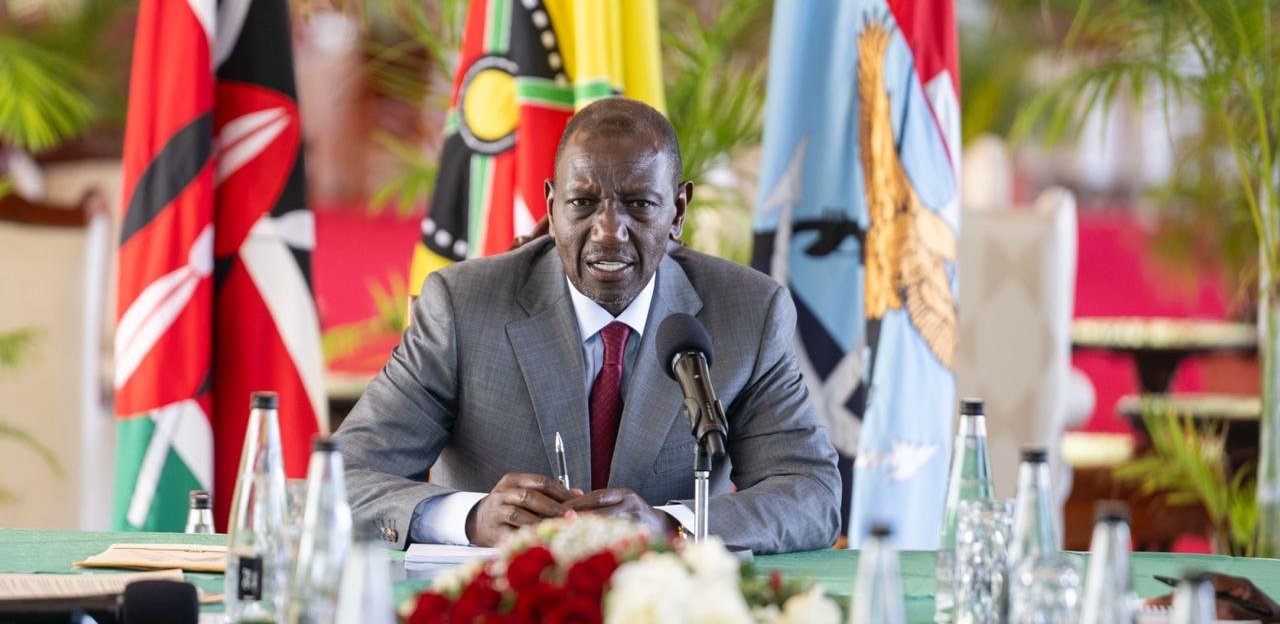
A recent High Court ruling in Kenya has reignited debate over gender equality in African leadership after finding that President William Ruto’s Cabinet does not meet the country’s constitutional gender requirement. The court ruled that no more than two-thirds of members of appointive bodies may be of the same gender and gave the government 120 days to reconstitute the Cabinet.
The decision has renewed calls for greater female representation in leadership across the continent.
Several African nations have already made significant progress. Rwanda remains a global leader in women’s political representation, with women leading key ministries including foreign affairs, health, ICT and the environment.
Namibia has also set a new benchmark under President Netumbo Nandi-Ndaitwah, becoming one of the few countries in the world with a female-majority Cabinet. South Africa continues to maintain one of Africa’s strongest records for gender-balanced governance, while Ethiopia earned international recognition after appointing a Cabinet with near-equal representation of men and women. Senegal and Tanzania have also expanded women’s participation in executive leadership.
Beyond numbers, gender-balanced cabinets bring broader perspectives to policymaking, particularly in areas such as healthcare, education, entrepreneurship and social development. They also inspire future generations of women to pursue leadership while strengthening democratic governance through more inclusive representation.
However, representation alone is not enough. Women must also be entrusted with influential portfolios and empowered to shape national policy. True equality is measured not only by the number of women at the Cabinet table but by the authority they hold and the impact they make.
Kenya’s ruling is therefore about more than constitutional compliance. It has become a timely reminder that gender equality is both a legal obligation and a cornerstone of inclusive governance. As more African nations move towards balanced leadership, the conversation is shifting from representation to meaningful participation at the highest levels of government.