French Zimbabwe project shows how community led restoration drives food security

Tapiwa Rubaya is the current affairs, fashion and sports reporter at My Afrika Magazine.
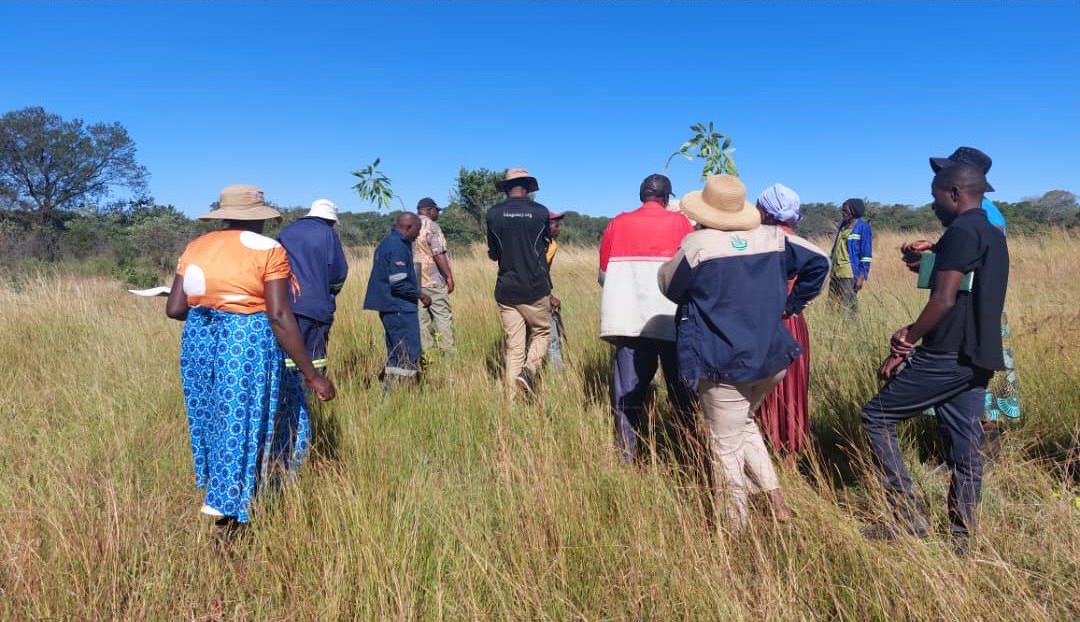
Chebvute is fast emerging as a powerful example of how environmental action and community development can work hand in hand, following a successful biodiversity project supported by the French Embassy and implemented by Oxfam in Zimbabwe in partnership with LID Agency, with funding from France.
A recent field visit by the French Embassy confirmed visible and meaningful progress on the ground after one year of implementation.
The initiative has already resulted in the planting of nearly 1,000 trees, helping to restore degraded landscapes and strengthen local biodiversity.
In addition, wetlands in the area have been rehabilitated, improving water retention and supporting the natural ecosystem.
Beyond environmental restoration, the project has placed strong emphasis on people. Local communities have received training on climate adaptation, equipping them with practical knowledge to respond to changing weather patterns and improve agricultural resilience.
Women and young people have also been actively empowered through skills development and participation, strengthening their role in driving sustainable livelihoods.
According to stakeholders, these combined efforts are already contributing to improved food security and generating new opportunities for sustainable income within the community.
During the visit, representatives of the French Embassy joined residents in planting a tree, a symbolic gesture reflecting shared responsibility and long-term commitment to environmental restoration.
Looking ahead, the project is set to expand into beekeeping and ecotourism, initiatives expected to further enhance income generation while preserving the natural environment.
These next steps aim to position Chebvute not only as a success story of restoration, but also as a growing model of rural sustainability and climate resilience.
A recent field visit by the French Embassy confirmed visible and meaningful progress on the ground after one year of implementation.
The initiative has already resulted in the planting of nearly 1,000 trees, helping to restore degraded landscapes and strengthen local biodiversity.
In addition, wetlands in the area have been rehabilitated, improving water retention and supporting the natural ecosystem.
Beyond environmental restoration, the project has placed strong emphasis on people. Local communities have received training on climate adaptation, equipping them with practical knowledge to respond to changing weather patterns and improve agricultural resilience.
Women and young people have also been actively empowered through skills development and participation, strengthening their role in driving sustainable livelihoods.
According to stakeholders, these combined efforts are already contributing to improved food security and generating new opportunities for sustainable income within the community.
During the visit, representatives of the French Embassy joined residents in planting a tree, a symbolic gesture reflecting shared responsibility and long-term commitment to environmental restoration.
Looking ahead, the project is set to expand into beekeeping and ecotourism, initiatives expected to further enhance income generation while preserving the natural environment.
These next steps aim to position Chebvute not only as a success story of restoration, but also as a growing model of rural sustainability and climate resilience.