EU Delegation Highlights Resilience Gains in Zimbabwe’s South-East Lowveld

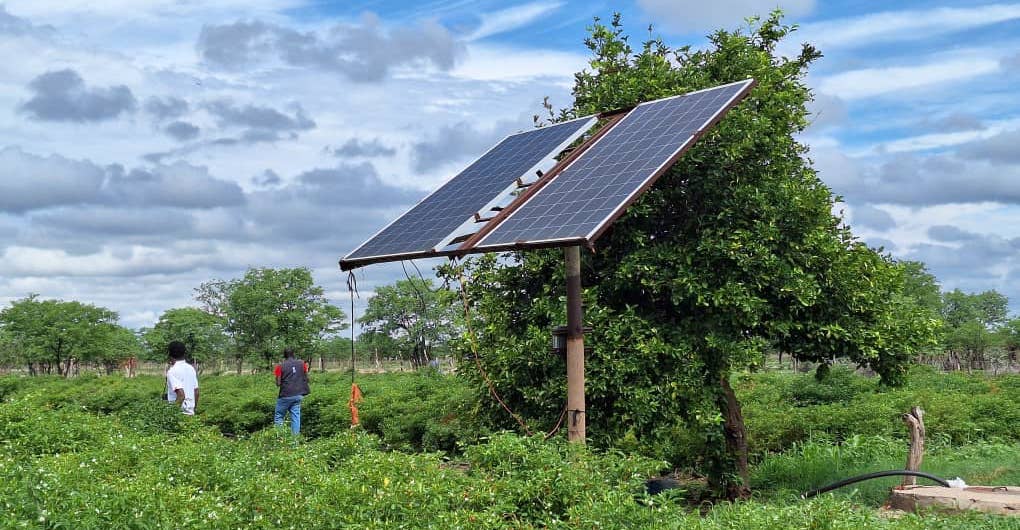
The South-East Lowveld is buzzing with activity as the European Union Delegation visits the ZRBF 1 and ZRBF 2 resilience projects across Mwenezi and Chiredzi, with a follow-up stop planned for Beitbridge. The delegation, joined by national and international partners, is witnessing firsthand how rural communities are transforming local challenges into economic opportunities.
Across the villages, village business units are reshaping livelihoods. Farmers are gaining stronger market links, while sesame and paprika production has increased significantly. In communities bordering Gonarezhou National Park, ongoing dialogue is helping reduce human-wildlife conflict and improve farmer incomes.
These initiatives form part of a broader landscape approach guiding EU–Zimbabwe cooperation. The timing of the visit is key. As ZRBF 1 concludes, preparations for Phase 2 are underway, alongside new EU grants earmarked for agribusiness and natural-resource management. These investments aim to scale up value-chain development, ecosystem restoration, and local economic growth. A dedicated programme supporting local authorities is also in development.
The delegation’s observations reaffirm a simple principle: investing in people and landscapes delivers real results. Progress is being driven through collaboration between the Government of Zimbabwe, UNDP, FAO, the Resilience Knowledge Hub (Mercy Corps), CARE Zimbabwe, the Gonarezhou Conservation Trust, Cesvi Onlus, and the Mwenezi Training Development Trust.