Cape Town Bound: Aura-Farmers Crack the Code at Texpo 26 Hackathon with Innovative Agric Passport

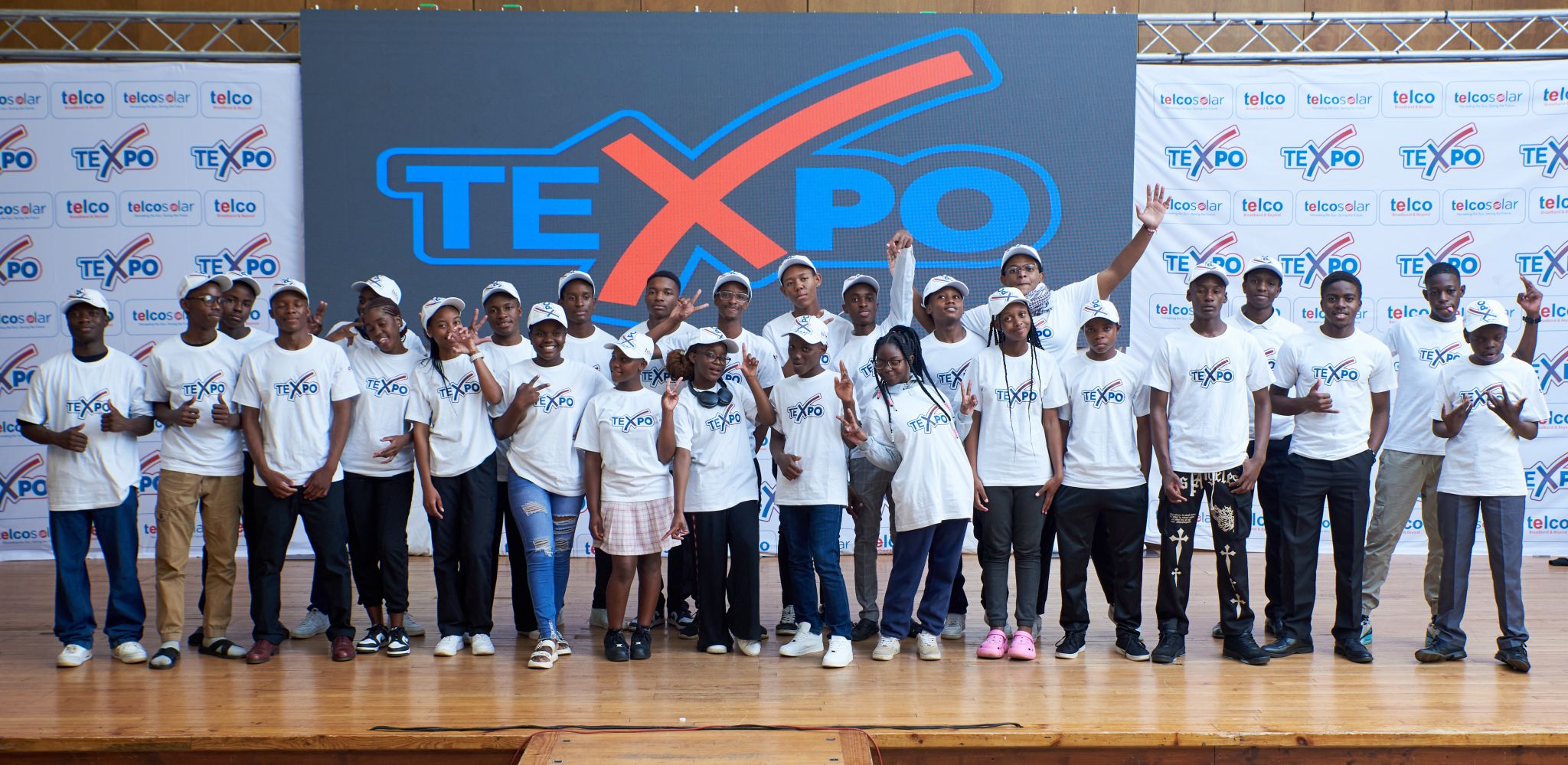
Last week, from 20–24 April 2026, Bulawayo became the epicenter of youth-led innovation as TEXPO 2026_took over the Zimbabwe Academy of Music. Hosted by Telco, the five-day tech and innovation festival brought together students, entrepreneurs, logistics experts, and policymakers to solve real problems facing Zimbabwe’s economy. The headline event was the flagship Move! Farm to Market.
The problem is simple but costly; farmers have no “trade passports”. Without verifiable proof of origin, handling, and quality, smallholders get low profits. Local “money printing buyers” might accept a WhatsApp photo of tomatoes, but international and regional markets demand evidence batch data, pesticide records, harvest dates, cold-chain logs. Without it, Zimbabwean produce is locked out of higher-value export markets.
10 teams made up of High school students from across Zimbabwe were given one mission build a low-cost, Raspberry Pi-based digital traceability system that could serve as an Agric Trace Food Passport and finally unlock those markets. Over the next four days, the Zimbabwe Academy of Music turned into a live lab. Teams wired Raspberry Pi sensors, coded databases, and built dashboards to capture harvest data, GPS plots, water quality, and post-harvest handling.
The goal wasn’t just apps — it was trusted digital records that a farmer could hand to a buyer or customs official instead of a photo. DHL Global Forwarding’s Samantha Kumalo ran a seminar alongside the hackathon, driving home why it matters with bills of lading, HS codes, rules of origin, and compliance paperwork decide whether produce crosses a border or rots at one.
The Winners Young Innovators with National Reach, first Prize are team Aura-Farmers from USAP Community Schools. The team was made up of William Fundirwa, Emmanuel Chidhobwe, and Beloved Mapise, with members from Bulawayo and Manicaland, took top honors. Their Agric Trace Food Passport prototype impressed judges for its simplicity, a Pi-powered field unit that logs harvest data offline, syncs via SMS when there’s signal, and generates QR-coded batch passports for buyers. They won a Cape Town Technology Immersion Trip and a Raspberry Pi Kit to keep building.
While first Runner Up were Tech Pirates, from Sciency Bulawayo’s own Ashley Zandiswa Chenjerai, Lexx-Angelo Dube, and Blessing Rambanapasi built a system focused on horticulture cooperatives. Their standout feature was a “buyer view” dashboard that translates farm data into export compliance docs. They took home Raspberry Pi Kit – Pi500’s and PicoW.
The Second Runner Up Aarlazi team from Roosevelt Girls High St Dominic’s Chishawasha. The Harare team of Alvin Anotidaishe Kateta, Aliyah Anesuishe Kateta, and Munesuishe Shekinah Matika tackled cold-chain gaps for small livestock and vegetables. Their Pi 4 2GB prize will help them prototype temperature-logging probes for “proof of handling”.
The hackathon showed the human side that young Zimbabweans building the actual tools farmers need to join those connected economies. For once, the “trade passport” wasn’t a policy slogan. It was a circuit board, a QR code.