Cameroon Hosts the 14th WTO Ministerial Conference

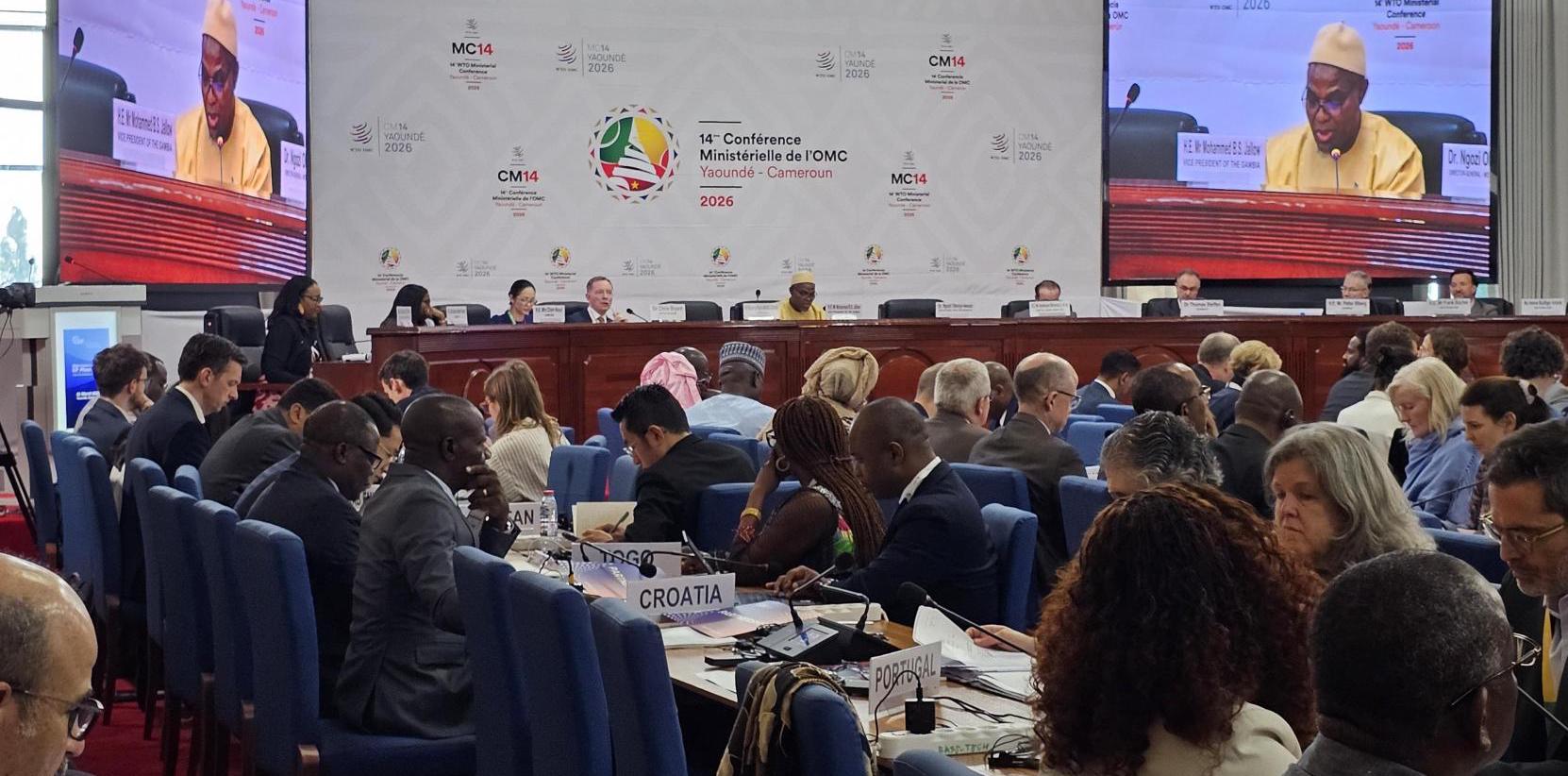
The World Trade Organization (WTO) stands at a historical inflection point as it convenes its 14th Ministerial Conference (MC14) in Yaoundé, Cameroon, from March 26 to March 29, 2026, at the Palais des Congrès.
For Cameroon, this is more than just a high-level meeting; it is a defining moment that places both the country and the continent at the center of conversations shaping the future of global trade.
The significance of the conference lies not only in who will be in the room, but in what is at stake. Global trade is undergoing a period of uncertainty, marked by shifting alliances, supply chain disruptions, and growing debates around fairness and inclusion. For many African countries, these challenges have long translated into limited influence in decision-making and unequal benefits from international trade. Hosting this conference in Yaoundé offers a rare opportunity to begin changing that narrative.
The groundwork for this moment has been building steadily. Last year, WTO Director-General Ngozi Okonjo-Iweala visited Cameroon as part of early preparations, signaling both the importance of the conference and confidence in the country’s ability to host it. More importantly, it underscored a broader shift in which Africa is increasingly seen not just as a participant in global trade, but as a stakeholder with growing influence.
At the heart of the discussions will be how Africa can strengthen its position in global markets. For decades, many economies on the continent have relied heavily on exporting raw materials, often with limited value addition. This conference presents an opportunity for African trade ministers to push for more balanced systems, ones that support industrialization, fair pricing, and better access to international markets.
The timing also aligns closely with the ambitions of the African Continental Free Trade Area, which aims to boost intra-African trade and reduce dependency on external markets. By coordinating their positions at the global level, African countries can ensure that international trade rules support, rather than hinder, this regional integration effort.
Of course, expectations remain measured. Global trade negotiations are rarely straightforward, and divisions between major economies could limit the chances of sweeping agreements. Yet the true impact of this gathering may go beyond formal outcomes. Simply bringing the world’s trade leadership to Yaoundé shifts attention toward Africa’s priorities and perspectives in a way that few events have done before.
As delegates arrive at the Palais des Congrès, the city becomes more than a host; it becomes a symbol of a continent asserting itself in spaces where it has often been underrepresented. Whether or not major deals are reached, the conference marks a step toward a more confident and coordinated African presence in global trade.