Angola Reports Over One Billion Barrels of Oil Output in First Quarter of 2025

Angola has reported an oil production average of approximately 1.049 million barrels per day in the first quarter of 2025, according to data from the Angola Press News Agency. While substantial, this figure falls short of the 1.098 million barrels per day target set under the country’s National Development Plan (NDP) 2023–2027, which outlines strategic objectives to be achieved by 2025.
The report, issued by the Ministry of Planning, forms part of the quarterly NDP performance review and is intended to inform policy adjustments where targets are not met. In the petroleum sector, operational capacity was supported by 918 functioning fuel stations nationwide—slightly below the 2025 target of 928. Exploration efforts included laboratory soil geochemistry analyses in the Kassanje Basin, a sedimentary formation spanning the provinces of Cuanza-Norte, Malanje and Lunda-Norte, aimed at assessing potential hydrocarbon reserves.
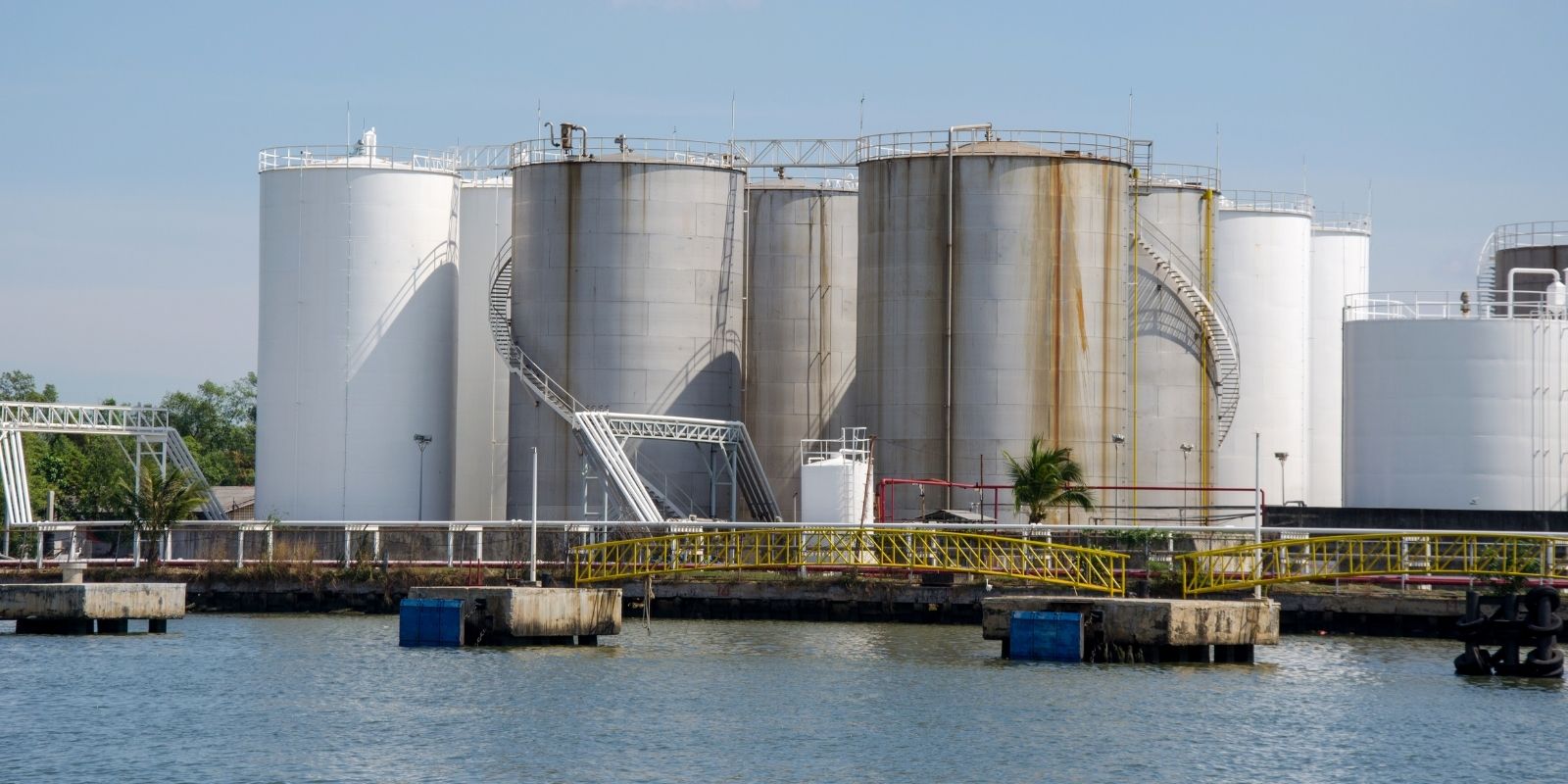
Infrastructure developments included the inauguration of the Barra do Dande Ocean Terminal, which has a storage capacity of 582,000 cubic metres of refined petroleum products. The quarter also saw the approval of the Gas Master Plan (Plano Director de Gás), designed to enhance production, distribution, and commercialisation in the gas sector. However, liquefied natural gas (LNG) output averaged around 139,212 barrels of oil equivalent per day (BOEPD), below the planned 162,880 BOEPD.
Beyond hydrocarbons, the mineral resources sector also faced shortfalls. Diamond production totalled roughly 3.35 million carats, against a 2025 annual target of 15.1 million carats. Gold production was recorded at 570 fine ounces, substantially lower than the goal of 5,860 fine ounces, while iron ore extraction reached 88,110 tonnes, falling well short of the 500,000-tonne target. In the ornamental rock industry, 30,120 cubic metres entered the market, compared with the annual projection of 110,900 cubic metres.
The Ministry emphasised that the quarterly review process serves as a decision-making tool, enabling the Angolan government to apply corrective measures to align performance with strategic objectives. The report underscores the country’s ongoing efforts to expand production capacity while managing the challenges associated with meeting ambitious development targets.