Africa Unites for Biodiversity: A Historic Summit in Gaborone

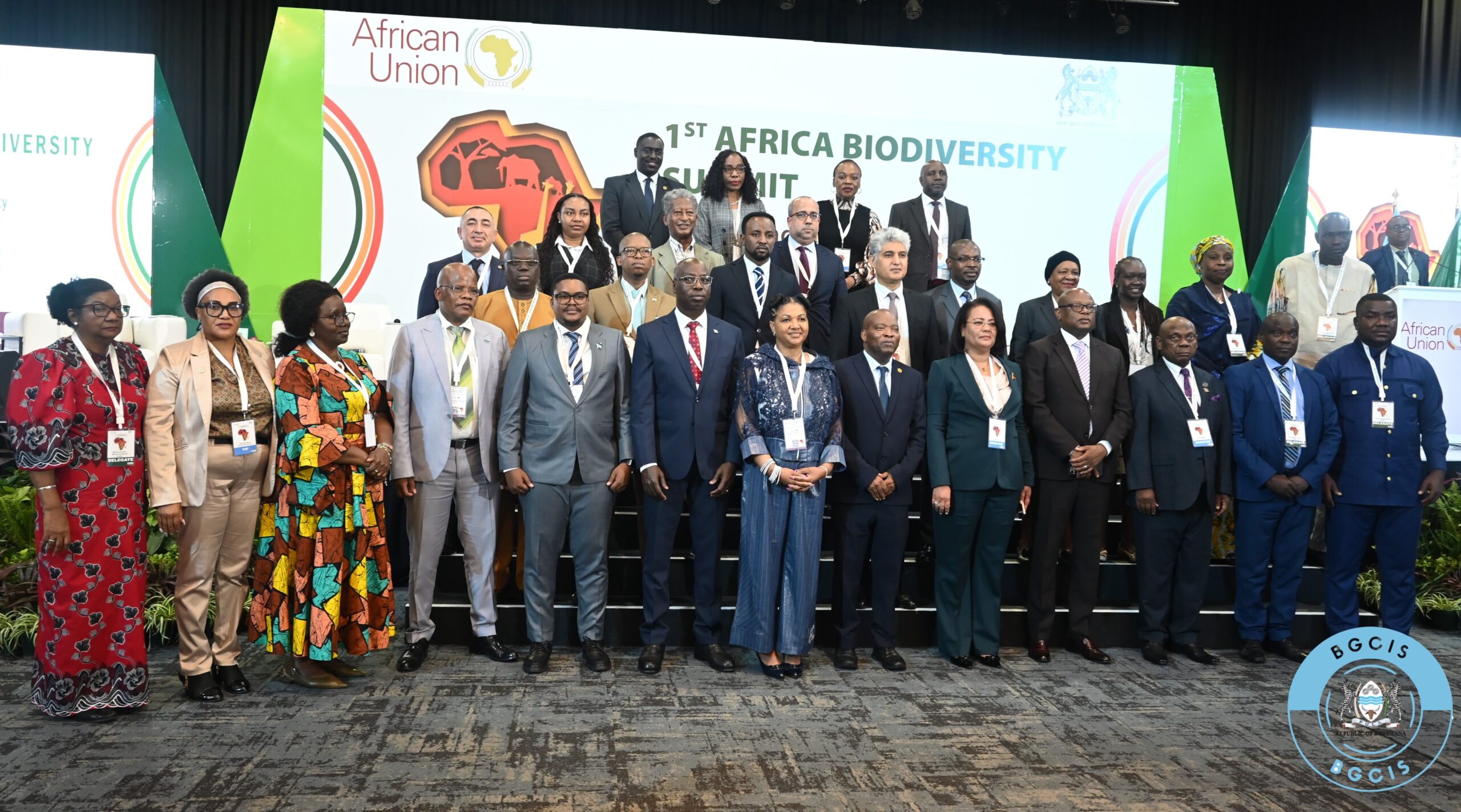
Gaborone, Botswana — The Inaugural Africa Biodiversity Summit concluded in Gaborone this week with resounding calls for unity, science-based action, and sustainable management of the continent’s rich natural heritage. The high-level gathering brought together African ministers, leaders, development partners, and conservation stakeholders to strengthen collective action on biodiversity and natural resource governance.
Zimbabwe’s Minister of Environment, Climate and Wildlife, Hon. Evelyn Ndlovu, led the Zimbabwean delegation, reaffirming the nation’s commitment to safeguarding biodiversity as a foundation for livelihoods, agriculture, and tourism. Speaking at the ministerial segment, Minister Ndlovu underscored the critical role of biodiversity in maintaining ecological integrity, preserving cultural identity, and driving economic growth.
“Africa’s biodiversity is not just about wildlife—it is the essence of our survival, our resilience, and our shared prosperity,” she said, noting that Zimbabwe’s conservation approach is guided by the National Biodiversity Strategy and Action Plan (NBSAP), which emphasizes science-led management and community participation.
Minister Ndlovu further highlighted biodiversity’s role in building climate resilience, calling for joint efforts across Africa to protect ecosystems that sustain millions of lives.
The summit, hosted under the African Union’s Agenda 2063, aimed to amplify Africa’s voice in global biodiversity negotiations and promote nature-based solutions that align with sustainable development.
In his opening remarks, Ambassador Miguel César Domingos Bembe, Acting Chairperson of the AU Permanent Representatives Committee, described biodiversity as central to Africa’s sovereignty, food security, and prosperity.
“We must speak with one voice and act with determination. The protection of our biodiversity is the protection of our future,” he urged.
Representing the host nation, Botswana’s Minister of Environment and Tourism, Hon. Wynter Mmolotsi, reaffirmed his country’s dedication to multilateralism and regional collaboration. He announced that Botswana would soon become a full party to the Maputo Convention on Nature and Natural Resources, a key instrument promoting sustainable environmental management across Africa.
“It is essential that we build frameworks that are both technically sound and culturally relevant—empowering communities while safeguarding our environment,” said Minister Mmolotsi.
The African Union’s Commissioner for Agriculture, Rural Development, Sustainable Environment, and Blue Economy, H.E. Moses Vilakati, emphasized the meeting’s alignment with Agenda 2063’s vision of nature-based transformation.
“The world needs Africa, and Africa needs the world to believe in its transformative programmes,” he said, noting that Africa must lead in defining its conservation priorities.
The three-day summit culminated in the adoption of the COP 1 Agenda under the Maputo Convention and the presentation of the Draft Africa Biodiversity Summit Declaration. It also provided a platform for African nations to share experiences, challenges, and best practices in biodiversity conservation.
Key dignitaries included members of the Botswana Tourism Organisation Board, Vice Chairperson Ms. Kedibonye Proctor, and senior representatives from development and conservation agencies.
As the summit closed, it reaffirmed a continental commitment to unity, innovation, and shared responsibility in protecting Africa’s natural wealth. For Zimbabwe, it marked another step forward in its mission to combine scientific research, policy innovation, and community-led conservation in building a resilient, nature-positive future.