OPINION: Why Young voices remain rare in South African Councils

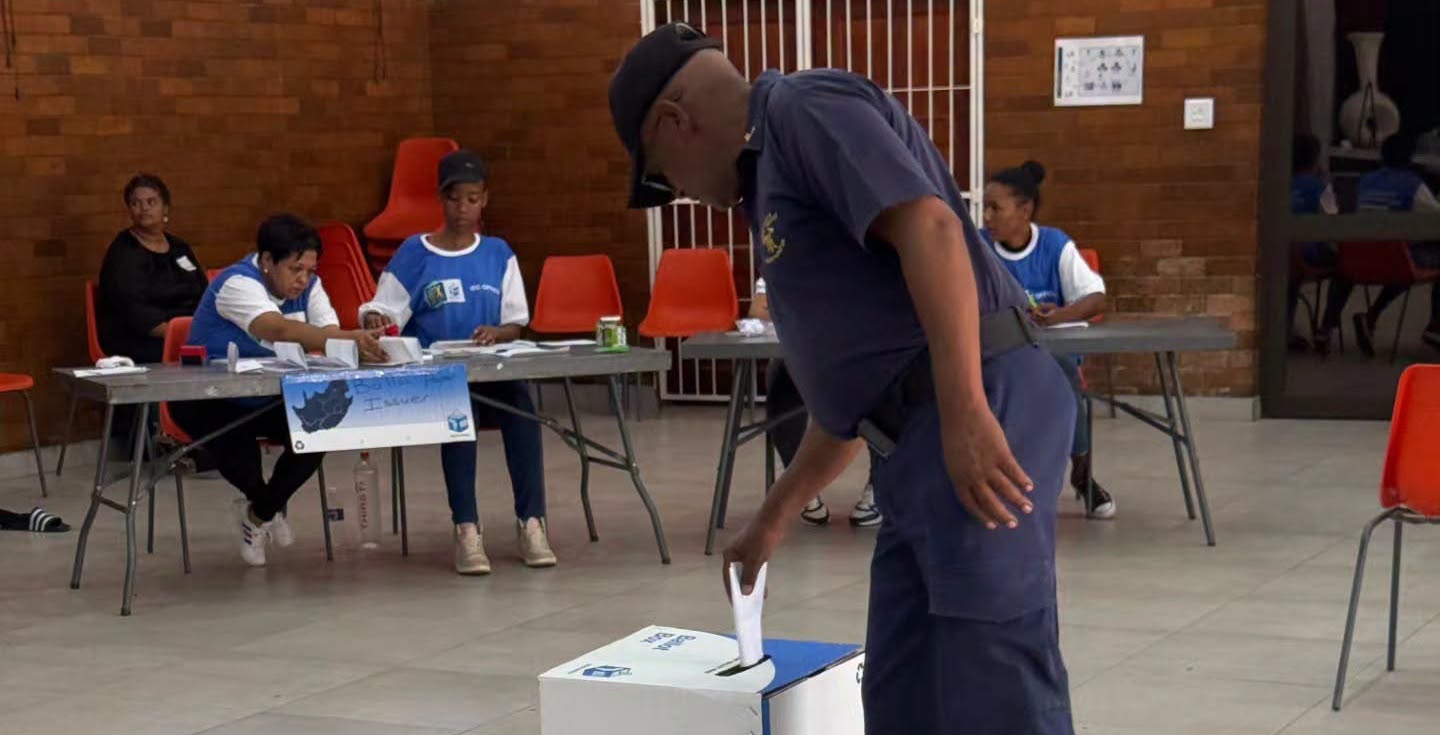
Only three percent of elect councillors are under the age of 30, while an 86-year-old councillor from the Inkatha Freedom Party (IFP) represents the oldest end of the age spectrum, according to figures released by South Africa’s Electoral Commission (IEC).
The statistics offer an interesting glimpse into the people entrusted with representing communities, revealing a striking generational gap in local government leadership. At a time when young people are increasingly shaping conversations around employment, technology, education, entrepreneurship and the future of their communities, their presence in council chambers remains limited.
The figures raise an interesting question on who gets the opportunity to speak for the next generation when so few young people occupy positions of local leadership?
Age, however, is not necessarily a measure of someone’s ability to serve. Older councillors bring years of experience, institutional knowledge and an understanding of how communities have evolved. Equally, younger leaders can offer fresh perspectives and a closer understanding of the challenges facing their generation.
The presence of an 86-year-old councillor is particularly striking. At that age, many people will have stepped away from demanding public responsibilities, yet the councillor remains part of the local leadership landscape.
Gender representation also provides another interesting dimension to the IEC’s findings. The Economic Freedom Fighters (EFF) leads in the number of women councillors, followed by the Patriotic Alliance (PA) and the Democratic Alliance (DA).
This places women’s participation alongside age as an important part of the broader conversation about who gets represented in local decision-making.
Ultimately, the figures tell a story that goes beyond political parties. They offer a snapshot of different generations and the people who have taken up the responsibility of serving their communities.
From an 86-year-old councillor to the small number of representatives below 30, South Africa’s local government landscape reflects a wide range of life experiences.
The challenge is ensuring that the council chamber becomes a space where the experience of older generations and the ideas of younger people can meet.
After all, communities are made up of people of all ages, and their leadership structures should reflect that diversity.