Weight: When Zimbabwean Stories Put Youth Realities on the Festival Screen

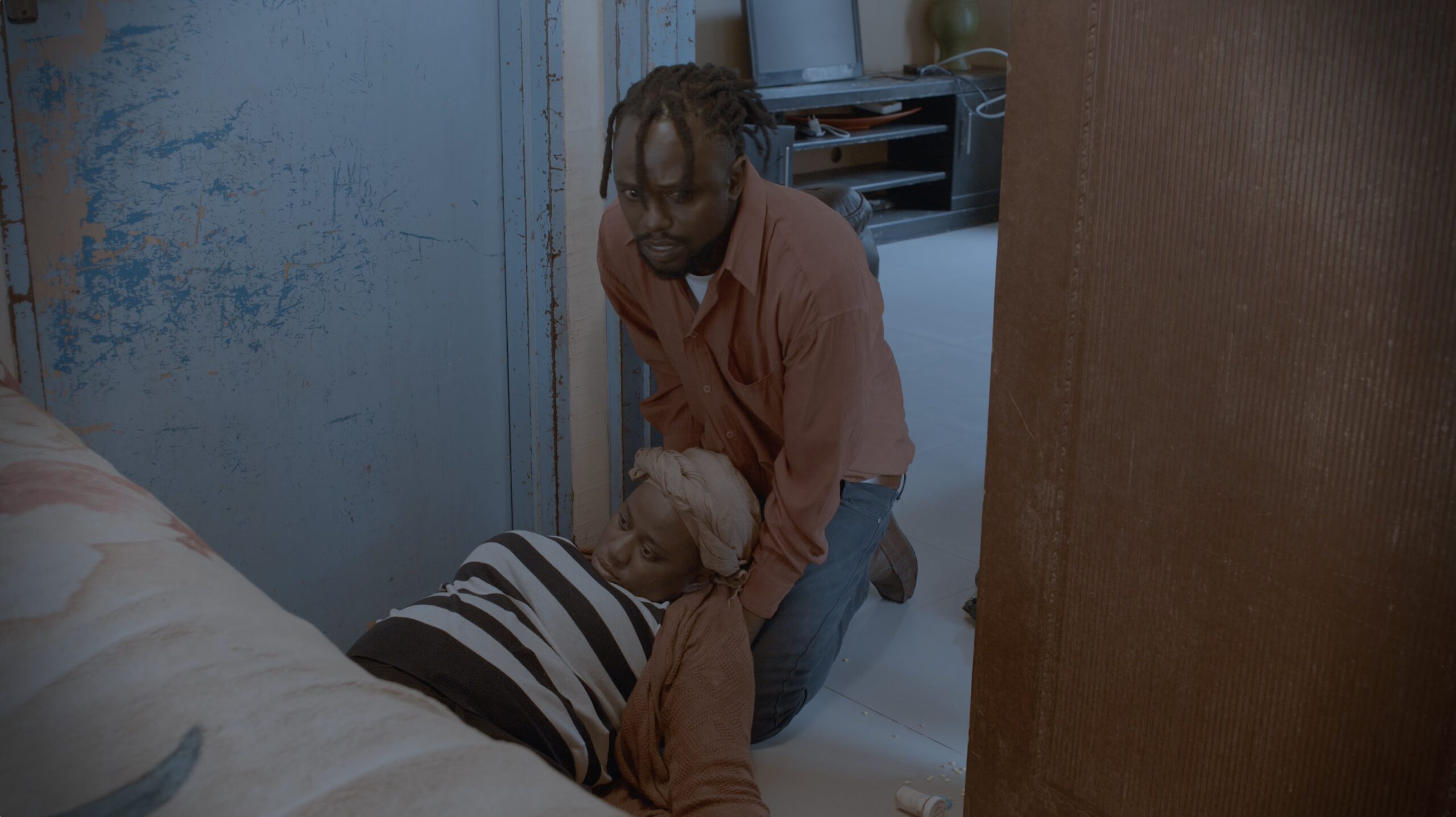
A young man struggling to find work, a family dealing with loss and a community watching from a distance.These are not unfamiliar scenes in Zimbabwe, but they are realities that do not always find their way into conversations about the country’s young people.
At this year’s European Film Festival Zimbabwe 2026, a short film titled Weight brought some of these experiences to the screen, offering audiences an uncomfortable but necessary look at the social pressures confronting young people.
Directed by Nico Abote, the film is set in Chitungwiza and follows Tonde Moyo, played by Mathias Kureva, a young man in his late twenties whose life is shaped by unemployment, grief and the difficulties of everyday survival.
As the pressures mount, Tonde finds himself drawn into substance abuse and a downward emotional journey, carrying burdens that those around him may not fully understand.
What makes Weight particularly relevant is its connection to the Zimbabwean environment. Its story does not depend on distant experiences or unfamiliar settings. It draws from challenges that exist within local communities, where unemployment, family difficulties and substance abuse continue to affect young lives.
Its screening at a festival with a European identity also places Zimbabwean storytelling within a wider cinematic space. It demonstrates the importance of local filmmakers using their own experiences and surroundings to tell stories that deserve an audience beyond their immediate communities.
But perhaps the film’s greatest value lies in the conversations it can open among young people.
For an audience encountering characters and situations that may resemble people they know, the story creates an opportunity to look beyond the visible consequences of substance abuse and consider the circumstances that sometimes lead individuals towards destructive choices.
Jo-Anne Chido Tenga, who was involved in the production, said the family struggles explored in the script were what immediately caught her attention.
“What stood out the most for me was the way family problems have led most youths into drug abuse and mental health challenges,” she said.
Her observation speaks to one of the film’s central concerns: the relationship between what happens inside families and the challenges young people eventually face outside their homes.
The title Weight carries a similar meaning. Some struggles are difficult to explain, while others remain hidden behind everyday interactions.
“Weight means the burdens we carry that the world does not see. Nothing changed after making the film, but rather deepened my understanding of life struggles that people face and lead them into depression and drug abuse,” Tenga said.
The film also takes the conversation beyond individual responsibility, looking at the role communities play in the lives of vulnerable children and young people.
Yeukai Mhandu, who plays a neighbour in the production, believes the story highlights something that many communities are gradually losing: the willingness to look after children beyond one’s immediate family.
She recalled growing up in an environment where neighbours played an active role in correcting and guiding children.
“Like how we grew up, Mai vemu next line was my mother,” she said, reflecting on a time when community parenting was part of everyday life.
As for Mhandu, the message of the film is closely connected to Ubuntu and the understanding that problems affecting one household eventually affect the wider community.
“What affects my neighbourhood surely, in as much as people try to turn a blind eye, affects me, my kids and parents,” she said.
Interestingly, the production also prompted her to reflect on her own relationship with the community. She admitted that she had sometimes fallen into the habit of looking away but said the experience encouraged her to pay greater attention to children facing difficulties in her neighbourhood.
The emotional demands of bringing the story to life were equally significant.
One particular scene, in which a child dies just when the family appears to be experiencing a positive change, proved especially difficult for Mhandu. Having experienced a similar situation in her own life, she found it difficult to separate the character’s pain from her personal memories
“That hit hard and I took it personally because I once went through a similar situation and could very much relate,” she said
She recalled that the scene required several takes, with each attempt bringing back the emotions associated with the moment.
For the filmmakers and cast, such experiences underline the responsibility that comes with portraying difficult social realities. These are not simply characters on a screen; they represent circumstances that audiences may recognise from their own lives.
As the European Film Festival Zimbabwe 2026 came to a close, Weight left an important subject for discussion,how society responds to young people who are struggling.
Zimbabwean cinema has an opportunity to do more than entertain. It can document everyday experiences, challenge assumptions and create spaces where difficult subjects are discussed openly.
While to young audiences in particular, seeing local stories told on a festival platform offers an opportunity to engage with the realities around them through a different lens.
Tonde Moyo’s struggles may belong to a fictional character, but the questions raised by his story extend beyond the screen.